
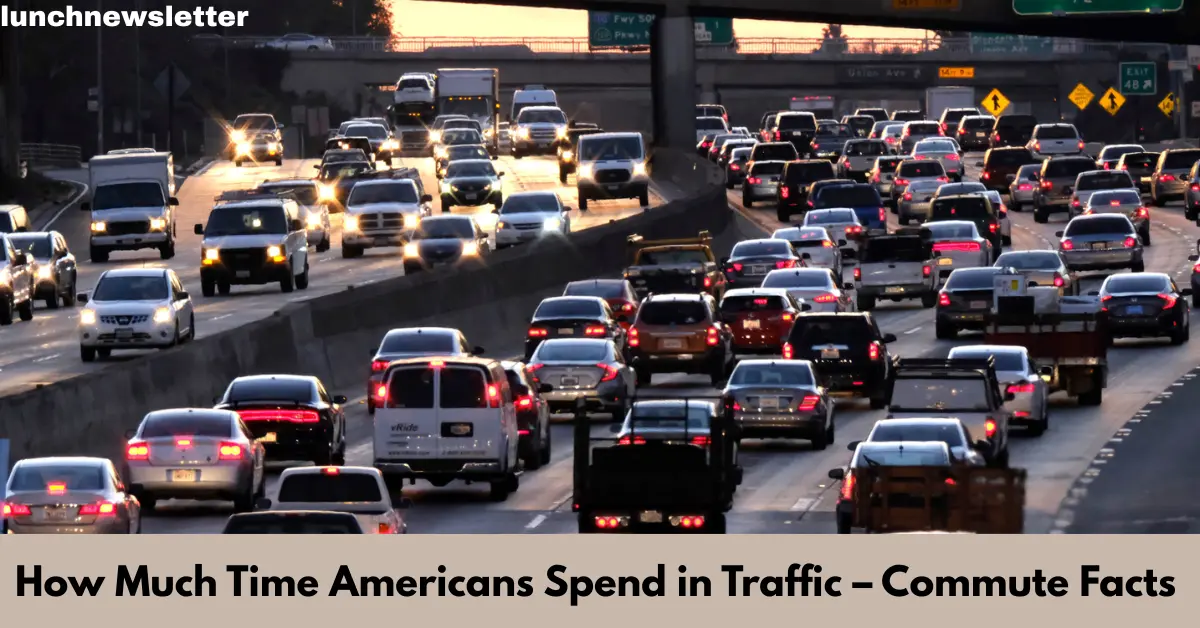
Introduction – The Reality of Traffic in America
If there’s one thing almost every American can agree on, it’s the frustration of sitting in traffic. Whether it’s inching forward during rush hour on a packed highway or losing precious time on the way home from work, traffic congestion has become a defining part of modern American life.
According to transportation statistics, the average commute time in the USA is around 27–30 minutes each way, meaning that millions of Americans spend nearly an hour every day just commuting. In fact, recent World News reports highlight how U.S. drivers lose more than 100 hours in traffic jams annually—time that could otherwise be spent with family, working, or simply relaxing.
For many, this isn’t just an inconvenience; it’s a lifestyle challenge. The longer the daily commute, the greater the stress, fatigue, and frustration. From urban mobility struggles to road congestion in metropolitan areas, traffic delays have become as much a part of the American identity as baseball or apple pie.
So, how much time do Americans really spend in traffic—and why does it matter? In this article, we’ll break down the numbers, explore the causes, and look at how commuting patterns are shaping the way Americans live and work today.
Average Commute Time in the USA
When it comes to commuting, America stands out for how much time people spend on the road. According to the U.S. Census Bureau, the average commute time in the USA is about 27.6 minutes one way. That might not sound too bad at first glance, but it quickly adds up—nearly an hour each day, or more than 250 hours a year spent just traveling to and from work.
National Averages vs. Global Comparisons
In comparison to other developed nations, American commuters spend significantly more time in their cars. For instance, workers in European countries like Germany and France average closer to 20 minutes per commute. The heavy reliance on cars, combined with sprawling metropolitan areas and limited public transportation options, makes American commutes among the longest in the world.
Variations by State and City
Commute times also vary widely depending on where you live. In rural areas, drivers may spend less than 20 minutes commuting, while residents of large cities face much longer delays. Cities such as New York, Los Angeles, and Washington, D.C. consistently rank among the worst for traffic congestion hours. In New York City, the average work commute time often exceeds 35–40 minutes one way, with many commuters spending over an hour in traffic.
Table: Average Commute Time in Major U.S. Cities
| City | Average Commute Time (One Way) | Notable Factors |
|---|---|---|
| New York, NY | 35–40 minutes | Subway + heavy traffic |
| Los Angeles, CA | 35 minutes | Highway congestion |
| Washington, D.C. | 34 minutes | Metro delays, road traffic |
| Chicago, IL | 33 minutes | Rush hour gridlock |
| Houston, TX | 30 minutes | Car-dependent city |
| National Average | 27.6 minutes | Mixed factors |
Why the Numbers Matter
A few extra minutes each day may not seem like a big deal, but multiplied across millions of people, the effect is massive. Daily travel time in U.S. cities has a direct impact on productivity, stress levels, and even the environment. The longer the commute time, the more fuel burned, the greater the traffic delays, and the more significant the ripple effects on urban life.
Daily Commutes and Time Wasted in Traffic
For millions of workers across the country, the daily commute is more than just a routine—it’s a drain on time, energy, and quality of life. Studies show that Americans spend an average of 54 to 60 hours a year stuck in traffic delays, not including the standard commute time itself. That’s more than a full workweek lost simply sitting behind the wheel.
How Much Time Americans Actually Spend Commuting
When you combine the standard average driving time in the USA (about 27–30 minutes each way) with traffic congestion and delays, many workers spend over an hour a day commuting. In metropolitan areas such as Los Angeles or New York, that number can double, with some commuters reporting two to three hours of daily travel time.
Time Wasted in Traffic vs. Productive Hours Lost
The numbers become even more striking when you calculate lost productivity. For example:
- A worker commuting one hour each way spends 10 hours a week on the road.
- Over a year, this equals 500 hours, or nearly 21 full days wasted in traffic.
- For major cities like Los Angeles, the annual time wasted in traffic can exceed 100 hours per driver.
This time could otherwise be spent working, exercising, relaxing, or with family. Instead, it disappears into congested highways and crowded streets.
Car Commuters vs. Public Transportation Users
Another factor in time Americans spend commuting is the difference between car commuters and those who use public transportation. While drivers face long stretches of stop-and-go traffic, transit riders often deal with delays, overcrowding, and longer overall trip times. In fact, studies show that public transportation users in the U.S. spend nearly twice as long commuting compared to drivers in many regions.
Common Reasons for Longer Commutes
The reasons behind wasted time are not always simple, but they typically include:
- Rush hour traffic peaks in the morning and evening.
- Accidents and breakdowns that cause road congestion.
- Limited public transit options in sprawling metropolitan areas.
- Highway bottlenecks and construction projects.
The bottom line is clear: time wasted in traffic USA-wide is more than just an inconvenience—it’s a measurable problem that impacts health, productivity, and the economy.
US Traffic Congestion and Rush Hour Delays
If there’s one phrase that defines commuting in America, it’s “rush hour.” Every weekday morning and evening, highways, freeways, and city streets become clogged with vehicles as millions of people travel to and from work. The impact of US traffic congestion hours is so significant that it shapes how people plan their work schedules, family time, and even where they choose to live.
Understanding Rush Hour in Major Cities
Rush hour in the United States typically occurs from 7:00 a.m. to 9:00 a.m. and again from 4:30 p.m. to 6:30 p.m. During these periods, the average driving time in USA cities can double or even triple due to gridlock. In cities like Los Angeles and Washington, D.C., it’s common for drivers to spend an extra 30–60 minutes per day stuck in slow-moving traffic.
For commuters, these hours represent not only wasted time but also higher stress levels and greater fuel consumption. For city planners, rush hour highlights the strain on urban mobility and the limitations of the existing transportation infrastructure in the USA.
Traffic Jam Statistics in the USA
According to US traffic jam statistics, drivers in the country’s most congested metropolitan areas lose between 50 and 100 hours annually to rush-hour delays. The 2023 INRIX Global Traffic Scorecard ranked New York City and Chicago among the world’s most congested cities, with drivers there spending more than 100 hours in traffic each year.
This isn’t just a big-city problem, either. Medium-sized cities such as Atlanta, Houston, and Boston also report severe traffic delays, proving that congestion is a nationwide challenge.
Peak Hours and Daily Travel Stress
For many workers, rush hour is more than just lost time—it’s a daily stressor. Studies show that commuting during these peak periods is associated with:
- Higher stress levels and increased risk of burnout.
- Worse physical health outcomes, such as back pain and fatigue.
- Reduced work productivity, as employees arrive tired and leave later.
Traffic during these hours also tends to be less predictable. A commute that normally takes 30 minutes can easily stretch to an hour or more, making it difficult for Americans to plan their day.
Snippet Opportunity: Quick Answer
Rush hour in the USA typically lasts from 7–9 a.m. and 4:30–6:30 p.m., with drivers losing 50–100 hours per year due to congestion in major cities.
The Causes of Long Commutes in America
While heavy traffic may feel like an unavoidable part of daily life, there are clear reasons why commutes in the United States tend to be longer than in many other countries. From sprawling city layouts to heavy reliance on personal vehicles, the causes of road congestion and extended commute times are both structural and behavioral.
Urban Sprawl and Road Congestion
One of the biggest factors is urban sprawl. Unlike compact European cities, many American metropolitan areas spread outward into vast suburbs. This means workers often live far from their jobs, requiring long drives into central business districts. As more cars pour onto highways at the same time, traffic congestion becomes inevitable.
Sprawl also creates bottlenecks where multiple freeways or arterial roads merge, leading to highway congestion that clogs major routes for hours each day.
Transportation Infrastructure Limitations
The United States has some of the busiest road networks in the world, but its transportation infrastructure hasn’t kept pace with population growth. Many highways and bridges are decades old, and funding shortages often delay improvements. As a result, traffic delays caused by construction, outdated road designs, and overcapacity are common.
Public transportation also struggles to fill the gap. In cities like Los Angeles or Houston, buses and trains cover only a fraction of metropolitan areas, leaving most people with little choice but to drive.
Dependence on Cars vs. Public Transit Gaps
The American lifestyle is heavily built around cars. More than 85% of Americans commute by car, according to federal transportation statistics. In many cities, public transit exists but is often slower, less reliable, or not easily accessible.
This dependence on personal vehicles not only worsens traffic congestion but also limits alternatives for reducing commute times. Cities with limited transit—such as Atlanta, Dallas, or Phoenix—tend to report much higher average commute times compared to cities with robust systems like New York or Washington, D.C.
The Bigger Picture
The combination of urban sprawl, road congestion, and car dependency makes long commutes a systemic issue rather than just a personal inconvenience. Without major changes in city planning, infrastructure investment, and transit development, Americans will likely continue spending hundreds of hours a year in traffic.
The Human Cost of Traffic – Stress, Health & Lifestyle Impacts

Traffic is often measured in hours lost and miles driven, but the true impact goes far beyond numbers. For millions of Americans, long commutes translate into daily stress, health challenges, and reduced quality of life. The time spent sitting in gridlock is time taken away from family, rest, and personal well-being.
Daily Commute Stress and Mental Health
Psychologists have long noted the connection between daily commute stress and mental health. Sitting in traffic jams—especially when delays are unpredictable—creates feelings of frustration and loss of control. Studies show that commuters who spend more than an hour traveling each way are more likely to experience:
- Higher stress and anxiety levels
- Greater risk of depression
- Lower overall job satisfaction
The rush hour pressure of needing to be on time only adds to this mental strain, creating a cycle of stress that starts and ends each workday.
Physical Health Effects of Long Commutes
Extended hours on the road don’t just affect the mind—they also take a toll on the body. Long commutes are linked to:
- Sedentary lifestyles that increase the risk of obesity
- Back and neck pain from prolonged sitting
- Higher blood pressure caused by stress and inactivity
- Less time available for exercise and healthy routines
For car commuters who spend two or more hours daily in traffic, these risks compound over time, creating long-term health challenges.
Work-Life Balance and Productivity Loss
Perhaps the most overlooked impact of traffic congestion is how it erodes work-life balance. When employees spend extra hours in their cars, they lose valuable time that could be spent with family, pursuing hobbies, or simply resting. Parents, in particular, often face the stress of missing family dinners, children’s events, or even bedtime routines because of traffic delays.
From a broader perspective, this also affects workplace productivity. Tired, stressed employees are less focused, less creative, and less satisfied at work. Businesses in heavily congested cities often report higher turnover rates, in part due to long commuting times.
Case Study: Los Angeles Commuters
Consider Los Angeles, a city notorious for traffic congestion. The average driver there spends over 100 hours a year stuck in traffic beyond their normal commute time. For many, that translates into nearly three additional weeks a year spent in their cars. The result? A city where daily life revolves around planning around traffic, and where residents routinely cite commuting as one of their top stressors.
Transportation Statistics and Commuting Patterns in America
Numbers tell a powerful story about how Americans move. Over the past few decades, commuting has shifted dramatically, reflecting changes in work culture, population growth, and city planning. By looking at transportation statistics and commuting patterns in America, we can better understand why the average worker spends so much time on the road.
Historical Trends – Then vs. Now
In 1980, the average American commute was about 21 minutes. Today, it’s closer to 27–30 minutes, with many metropolitan areas far exceeding that. This steady increase reflects both population growth and expanding suburban communities. More workers now live farther from their jobs, which stretches the distance—and time—of the average commute.
The Role of Car Commuters in U.S. Mobility
Cars remain the dominant mode of travel. More than 85% of American workers commute by car, according to federal transportation reports. While car ownership provides independence, it also contributes heavily to road congestion and traffic delays, especially during peak travel times.
By contrast, only about 5% of Americans use public transportation for their daily commute. Cities with more robust transit networks—like New York City, Washington, D.C., and Boston—see shorter commutes by train or subway, but in most U.S. cities, driving is the only realistic option.
Travel Time Index and Road Usage Data
Traffic researchers often use the Travel Time Index (TTI) to measure congestion. A TTI of 1.3, for example, means a trip takes 30% longer during peak hours than it would in free-flow conditions. Major U.S. metropolitan areas such as Los Angeles, San Francisco, and Houston consistently score high on this scale, proving just how much road congestion impacts daily life.
Table: Commute Trends in the United States (1980–2023)
| Year | Average Commute Time (One Way) | % Using Cars | % Using Public Transit | Notes |
|---|---|---|---|---|
| 1980 | 21 minutes | 88% | 6% | Growth of suburbs begins |
| 2000 | 25 minutes | 87% | 5% | Highway congestion rises |
| 2020 | 27.6 minutes | 85% | 5% | Remote work emerges |
| 2023 | 28–30 minutes | 85% | 5% | Rush hour delays intensify |
What the Data Tells Us
These statistics highlight the deep reliance on cars in American society and the long-term trend of increasing commute times. With urban sprawl, transportation infrastructure limitations, and rising populations, the challenges of commuting are unlikely to fade without significant changes to urban planning and investment.
Reducing Commute Times – Solutions and Future Outlook

While traffic may feel like an unavoidable part of life in the United States, experts agree that there are practical solutions to reduce commute times and improve urban mobility. By addressing both infrastructure and behavior, cities and individuals can reclaim valuable hours lost on the road.
Smarter Urban Planning & Public Transportation
One of the most effective long-term solutions is investing in public transportation. Cities with robust transit systems, like New York or Washington, D.C., show that trains, subways, and bus networks can significantly cut down on traffic congestion. Expanding transit access to suburban communities would allow more Americans to choose alternatives to driving, reducing overall road congestion.
Urban planners are also rethinking city layouts to promote walkable communities, bike-friendly infrastructure, and mixed-use developments where people can live closer to where they work. This approach reduces dependence on cars and shortens daily travel time in U.S. cities.
Remote Work and Hybrid Models
The COVID-19 pandemic revealed another powerful way to reduce commute times: remote work. At the peak of 2020, millions of Americans eliminated commuting altogether, leading to dramatic drops in traffic congestion hours nationwide. Even as offices reopened, many companies adopted hybrid models, allowing employees to work from home a few days a week.
This shift doesn’t just save time—it reduces daily commute stress, lowers fuel costs, and improves work-life balance. If remote and hybrid work continue to expand, they could permanently change commuting patterns in America.
Technology & Infrastructure Investments
Innovative technologies are also shaping the future of commuting. Smart traffic signals, real-time traffic apps, and GPS navigation help drivers avoid bottlenecks and choose faster routes. Investments in high-speed rail and express lanes in cities like Miami and Dallas are already showing promise in cutting traffic delays.
At the same time, electric vehicles and carpooling apps could reduce the environmental toll of traffic jams, making the commute more sustainable.
Practical Tips for Individuals
While larger solutions depend on city planning, individuals can also take steps to ease their own commute:
- Adjust schedules to avoid peak rush hour.
- Explore carpooling or ride-sharing options.
- Use public transit where available.
- Ask employers about remote or hybrid work opportunities.
- Plan routes using real-time traffic apps.
Looking Ahead
The challenge of traffic congestion in the U.S. will not disappear overnight, but the combination of smarter planning, better infrastructure, and flexible work options provides hope. By rethinking the way cities grow and how people travel, America could move toward a future where commuters spend less time stuck in traffic—and more time living their lives.
FAQs
Q1: How much time do Americans spend in traffic each year?
On average, Americans spend over 100 hours per year stuck in traffic congestion. In major metropolitan cities, this number can climb even higher, especially during peak rush hour.
Q2: What is the average commute time in the USA?
The average work commute in the USA is about 27–30 minutes one way. That means many Americans spend nearly an hour each day traveling to and from work.
Q3: Which US cities have the worst traffic congestion?
Cities like Los Angeles, New York, Washington D.C., and Chicago rank among the worst for road congestion, with commuters often losing more than 100–150 hours annually in traffic delays.
Q4: How does long commute time affect Americans’ lifestyle?
Long commutes contribute to stress, reduced family time, and lower productivity. Studies link heavy traffic delays with poorer mental health and less work-life balance.
Q5: Are Americans relying more on public transportation to reduce commute time?
In large cities, many commuters turn to public transit to avoid traffic delays, but nationwide, the majority of Americans still rely on cars for daily travel.
Q6: What solutions could reduce commute times in the US?
Expanding public transportation, adopting remote work policies, improving transportation infrastructure, and using smart traffic systems are among the top solutions to reduce traffic congestion and save commute time.
Conclusion – The True Cost of Traffic for Americans
Traffic in the United States is more than an inconvenience—it’s a daily reality that shapes how people live, work, and spend their time. The average commute time in the USA, often close to an hour per day, adds up to hundreds of hours wasted annually. These delays affect not only productivity but also health, lifestyle, and overall well-being.
The numbers tell a clear story: from urban traffic congestion to long commute patterns in America, the cost of sitting in traffic keeps rising. Yet, the future doesn’t have to look the same. With smarter investments in transportation infrastructure, wider adoption of public transit, and the growth of remote and hybrid work models, Americans can reclaim valuable hours once lost to gridlock.
Ultimately, the question isn’t only how much time Americans spend in traffic, but how those hours could be better used—whether that’s more time with family, greater focus at work, or simply enjoying life beyond the road.
