
Introduction
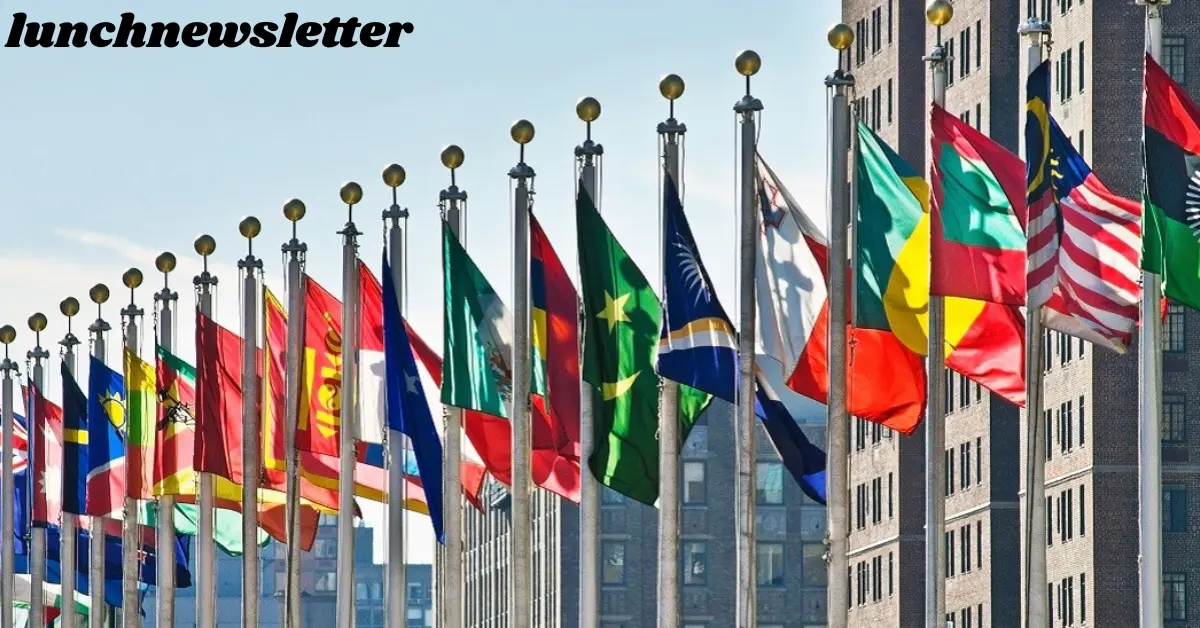
World politics is at a new turning point in 2025 Gone are the days when a few powerful countries made the world s decisions Now so many players have joined the global system that the traditional distribution of power has almost broken down Major countries like the United States China Russia and the European Union are now reshaping their policies to maintain their place in a rapidly changing world
The global landscape has changed so rapidly in the past few years that even international relations experts acknowledge that the world has now entered a multipolar era not a unipolar one New alliances are emerging in different regions old agreements are breaking down and the centers of global power are taking on a new order
This is not just an era of politics or economics but of the formation of a new worldview Now the decision is not made only by guns or military power but factors such as economy technology, environment digital infrastructure and public diplomacy have also been included in the parameters of global power
This is why to understand global politics in 2025 we must look not only at the movements of powerful countries but also at the delicate balance of competition and cooperation between them
While global competition has intensified in the past decade news doors for international cooperation have also opened For example countries have signed agreements with each other on issues such as climate change trade cybersecurity and global health But this cooperation, along with mistrust economic sanctions and regional conflicts has once again made global stability uncertain
The United Nations and other international organizations, once seen as symbols of global peace are now caught in a cycle of internal pressures and political influenc Questions are being raised about the effectiveness of these organizations as to whether they are still capable of maintaining global governance
Against this backdrop the global politics of 2025 forces us to understand that the future of the world lies not only in the hands of powerful countries but also in those countries Which are playing a positive role in regional stability economic development and the promotion of international relations Countries like India Brazil Turkey South Africa and Indonesia have now become not mere observers but important players in global politics
These are the factors that make this year s international landscape so interesting and unpredictable Every country is adopting new strategies for its survival and dominance. Somewhere there is a battle for the balance of power somewhere there is a race for the economy, and somewhere there are attempts to resolve conflicts through diplomacy
This year 2025 is truly a year of change a year that is laying the foundation for the future global order The world is no longer guided by the old rules but has entered a new global era with new values new partnerships and new threats
Global Political Landscape 2025 – New Balances of Power and Regional Changes
The United Nations and other international organizations, once seen as symbols of global peace are now caught in a cycle of internal pressures and political influenc Questions are being raised about the effectiveness of these organizations as to whether they are still capable of maintaining global governance
Against this backdrop the global politics of 2025 forces us to understand that the future of the world lies not only in the hands of powerful countries but also in those countries Which are playing a positive role in regional stability economic development and the promotion of international relations Countries like India Brazil Turkey South Africa and Indonesia have now become not mere observers but important players in global politics
These are the factors that make this year s international landscape so interesting and unpredictable Every country is adopting new strategies for its survival and dominance. Somewhere there is a battle for the balance of power somewhere there is a race for the economy, and somewhere there are attempts to resolve conflicts through diplomacy This is why international relations today are not limited to the East or the West but important political activities are also being seen in South Asia Africa Latin America and the Middle East
Emerging powers and regional influence

In the past few years emerging world powers such as India China Turkey Brazil and Saudi Arabia have begun to play an extraordinary role in international relations China has challenged the balance of global power by expanding its economy and defense policy Through the Belt and Road Initiative it is expanding its influence not only in Asia but also in Africa and Europe On the other hand India has achieved significant progress in the fields of technology defense and diplomacy and is now seen as a responsible and balanced power in global forums
Turkey and Saudi Arabia have emerged in new ways in Middle Eastern politics Turkey has expanded its diplomacy through soft power and economic cooperation while Saudi Arabia has strengthened its global position through economic reforms new energy projects and foreign investment Brazil is playing a regional leadership role in Latin America raising an effective voice on global platforms on issues such as climate change trade and human rights
All of these countries are symbols of the fact that the United States or Russia are no longer the only decisive powers in the world The distribution of power is moving towards a new balance what experts call a multipolar world order
Global Unity and Conflict The Balance of Stability and Competition
An interesting aspect of global politics in 2025 is that both cooperation and competition are going hand in hand
On the one hand countries are joining hands to solve common challenges such as climate change global pandemics and the energy crisis
on the other hand there is also a battle for regional influence and economic interests
For example NATO is reshaping its defense policies to counter the growing influence of Russia On the other hand the BRICS alliance Brazil Russia India China South Africa is exploring new avenues as an alternative to the Western financial system
These two parallel systems reflect a world that is no longer entirely subordinate to any one power
The European Union EU remains a symbol of stability in world politics despite its internal divisions
However political tensions in the Middle East remain high There have been signs of easing in relations between Iran Israel and the Gulf states but complete peace remains a dream
New diplomatic efforts are underway in Africa particularly in energy food and infrastructure projects
A new era of democracy and economic reform has begun in Latin America but political instability has not yet fully subsided
All these changes point to the fact that world politics is now geographically fragmented with multiple centers of power emerging and each country exploring new diplomatic paths according to its own priorities
Great Power Strategy Cooperation or Clash?
2025 is a year of rebalancing for the United States
US policymakers have now recognized that it is not possible to completely contain China so Washington is now adopting a competition and cooperation hybrid strategy Both the United States and China know that the global economy and security depend on their mutual relations Similarly Russia is changing its diplomatic strategy after the Ukraine conflict and is trying to strengthen relations with Asian and Eastern partners
Major Global Alliances and Their Strategic Priorities in 2025
| Alliance / Organization | Member Countries | Key Priorities in 2025 |
|---|---|---|
| NATO | United States, European Nations, Canada | Defense cooperation, cybersecurity, deterrence policies |
| BRICS | Brazil, Russia, India, China, South Africa | Alternative financial systems, trade alliances, multipolar engagement |
| European Union (EU) | 27 European countries | Energy transition, internal stability, economic reform |
| ASEAN | Southeast Asian nations | Regional security, trade integration, digital connectivity |
| Gulf Cooperation Council (GCC) | Gulf Arab states | Energy diversification, regional cooperation, investment partnerships |
Trends in International Diplomacy From Traditional Politics to Strategic Cooperation
The landscape of international diplomacy in 2025 looks very different than it did in the past Gone are the days when diplomacy was limited to closed-door negotiations The world has now entered a new era of digital diplomacy public diplomacy and intergovernmental partnerships Diplomacy is no longer limited to governments but private institutions technology companies non-governmental organizations NGOs and even the general public are also playing a role in global relations
Diplomacy in the digital age
Modern technology has completely changed the way international relations are conducted
Now negotiations are not only held in embassies or international forums but world leaders also stay in touch with each other through online platforms virtual conferences and social media
This is why experts are calling this era the era of “Digital Diplomacy
Digital diplomacy has several advantages
- Countries can communicate quickly
- Communication becomes possible immediately during global crises
- Influence can be increased through public opinion and the media
For example UN meetings now move away from traditional negotiations and instead use digital discussions and data based analysis to help inform decision making This approach is not only effective but also increases transparency
Multilateral negotiations and cross border relations
Multilateral diplomacy is particularly important in 2025
The world s major challenges such as climate change global trade the energy crisis and pandemics are problems that no single country can solve alone
That is why most agreements are now reached through multilateral talks where many countries sit together and decide on policy
The United Nations UN held several forums in 2025 to forge a common agenda on global security economic environmental and human development issues Similarly meetings such as the G20 Summit and the COP30 Climate Conference are signs that international relations are now guided by the principle of mutual cooperation
It is also worth noting that the scope of diplomacy is no longer limited to the state level but regional organizations such as ASEAN the African Union (AU) and the Gulf Cooperation Council (GCC) are also playing an active role in their respective regions
Economic political and social agreements between countries are increasingly being reached on the platforms of these organizations
Balance between peace and conflict
In 2025 the world stands on a delicate balance On the one hand world powers are resorting to negotiations to resolve conflicts
and on the other hand some regions are still suffering from unrest and political tension
The Ukraine conflict the power struggle in the Middle East and internal conflicts in the African region still pose major challenges to world peace
There have also been significant positive developments
There are reports of improved diplomatic relations between India and Pakistan in South Asia
Similarly the restoration of relations between Iran and Saudi Arabia is being considered a major achievement which has brought new stability to Middle Eastern politics
The world s major powers have now understood that peace cannot be achieved through force
Real peace is possible only when countries resolve their differences through dialogue and mutual understanding This trend has now become the new face of international diplomacy
Public Diplomacy The Voice of the People on the Global Stage
A new aspect of diplomacy that has emerged in 2025 is public diplomacy
Ordinary people civil societies and media platforms are now directly influencing global relations
The opinions of ordinary citizens on social media are influencing the decisions of international organizations
This public pressure is forcing many countries to change policy
For example global campaigns against climate change such as Climate Action Now forced governments around the world to seriously implement environmental laws This shows that diplomacy has now become the voice of every citizen not just ambassadors
The new face of diplomacy
The summary of international diplomacy in 2025 is that the definition of power has now changed in the world
Now military or economic power alone is not enough but trust information technology and public perception have also become part of a country s diplomatic power
This is why today s successful country is not the most powerful but the most trustworthy balanced and capable of partnership
Unlike traditional politics cooperation negotiation and intercultural understanding are now the basis of true diplomacy
Foreign Policy 2025 Great Power Strategy and Economic Relations
In 2025 the world s major countries are making changes in their foreign policies that are having a profound impact not only on their political interests but also on the global economy
This year is historic in that powerful countries have begun to adapt their traditional foreign policies into a practical and strategic framework so that they can keep pace with the changing global situation
Two major trends have emerged in global politics over the past decade
First the growing role of economic diplomacy
and second the expansion of influence through regional alliances
Today the aim of a country s foreign policy is no longer just to gain political support but economic sovereignty control over energy resources and the protection of commercial interests have also become an integral part of it
America – Trying to maintain leadership
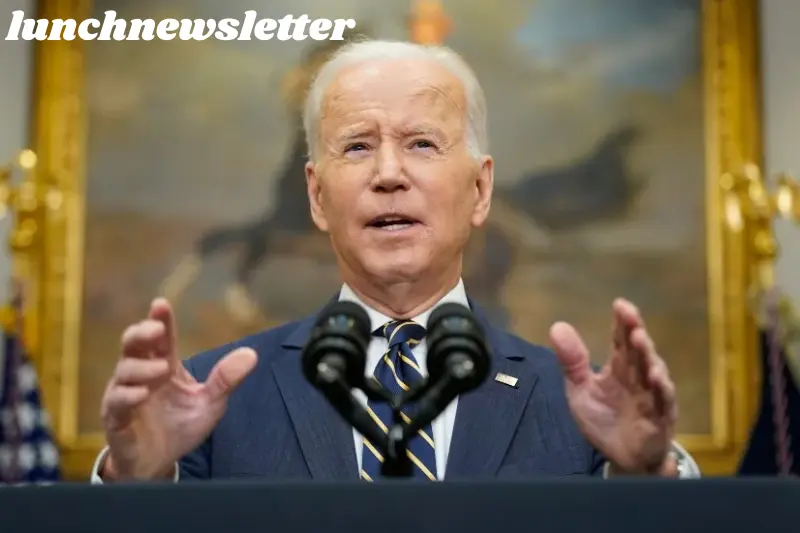
The United States remains the top candidate for global leadership in 2025 but its policies are no longer the same Washington is now focused on a balanced strategy where it is strengthening ties with its allies (Europe Japan Australia) on the one hand
On the other hand, he believes in managed competition with adversaries like China and Russia.
The current foreign policy of the United States is based on three fundamental pillars
- Promoting democratic values
- Economic cooperation and trade stability
- Strengthening cybersecurity and defense alliances
The United States is now expanding its influence through diplomatic pressure economic agreements and technology partnerships rather than military intervention
This shift is a sign that Washington now believes in the “use of influence rather than the use of force
China – the new axis of the global economy
China s foreign policy is centered on the global economy by 2025
China has invested in more than 100 countries around the world through its development plan the Belt and Road Initiative (BRI)
This plan is not just about building infrastructure but also a strategy of economic influence which is giving China a decisive position on the global stage
China aims to achieve this by 2025
- Taking control of global trade routes
- Achieving leadership in the digital economy
- And balancing Western influence through regional cooperation
One aspect of China s policy is that it is bringing developing countries closer to it through financial aid loans and strategic cooperation
This soft power presents China as a peaceful but effective competitor on the global stage
The European Union – Unity in diversity, unity in policy
The European Union (EU) faces the biggest challenges in 2025 from internal differences and external pressures
However European leadership has adopted the concept of Strategic Autonomy under a shared vision
which means that Europe will now play a role in global affairs with its own independent policy
Three major priority areas stand out in the European Union s foreign policy
- Energy self sufficiency (especially reducing Russian dependence)
- Digital transformation and data security
- Climate Diplomacy
Europe has now become the leading advocate of global environmental policies and its leadership is prominent in the 2025 climate agreements
This diplomacy is not just political but a new form of moral leadership
Russia Foreign Policy in a New Direction
Russia s foreign policy has undergone a clear shift since the Ukraine conflict
Due to its distance from the Western world Russia has now turned its attention to Asian African and Latin American countries
Russia is now busy building a new diplomatic bloc through the BRICS alliance and the Shanghai Cooperation Organization (SCO).
The main objectives of Russia s current policy are
- to mitigate the effects of Western sanctions
- to find new energy markets
- and to increase close cooperation with Asian partners
This policy suggests that Russia is now moving into the role of a regional balancer rather than a global challenger
India Emerging Role as a Responsible Global Power
India s foreign policy in 2025 revolves around a rapidly growing economy and strong diplomacy India has focused its policy on three key points
- Regional stability (especially South Asia and the Indian Ocean)
- Technology and investment diplomacy
- Balanced role on global platforms
India is now seen as a responsible power not only in Asia but also globally
It has balanced its relations with the US Russia and the Gulf countries reflecting a consistent neutral strategy.
Global Economic Relations – New Foundations of Mutual Interest
The map of international trade is changing rapidly in 2025 Despite the trade rivalry between the United States and China the world is moving towards a new economic equilibrium.
- Africa is now emerging as the world s next big market
- The Middle East is consolidating its position as an energy and investment hub
- Asia is leading the way in technology and manufacturing
All this shows that the global economy is no longer dependent on any one country or region The world is moving towards an integrated economic system where both cooperation and competition are inseparable
Frequently Asked Questions
What is the most significant change in international relations in 2025?
the biggest change in 2025 is that global relations have now moved beyond traditional politics to focus on economic environmental and digital cooperation Countries are now building influence through trust and partnerships rather than power
Is the United States still playing a central role in world politics?
Yes the United States still has influence in global politics, but its strategy has changed. It now seeks to maintain leadership through economic relations diplomatic negotiations and technological superiority rather than military might
What direction is China’s foreign policy heading in 2025?
China is gaining a central position in the global economy through its Belt and Road initiative by 2025 It is building strong economic ties with developing countries balancing the influence of Western countries
What is the biggest threat to global security in 2025?
The biggest threats in 2025 are cyberattacks energy politics and regional conflicts Along with this climate change has also emerged as a new threat to global security.
Conclusion
In 2025 international relations have reached a new turning point
The world is no longer moving forward solely on the balance of power but on trust cooperation and technology sharing
Despite the crises and tensions of the past few years there is a growing trend towards negotiation and reconciliation in global politics
Gone are the days when countries based their policies solely on military might
Today s successful state is one that is characterized by economic stability diplomatic harmony and public trust
The 2025 global scenario suggests that politics economics and diplomacy can no longer be separated from each other
The United States China the European Union Russia and India all are trying to increase their influence in their own ways
but one thing has become clear to all
Sustainable peace and development in the world are only possible when cooperation is prioritized
After all 2025 has proven that
power lies not only in weapons but in trust dialogue and partnership
The world in the coming years may not be further divided but rather usher in a new era of coming closer together
where the narrative of cooperation not war will prevail
