
Introduction
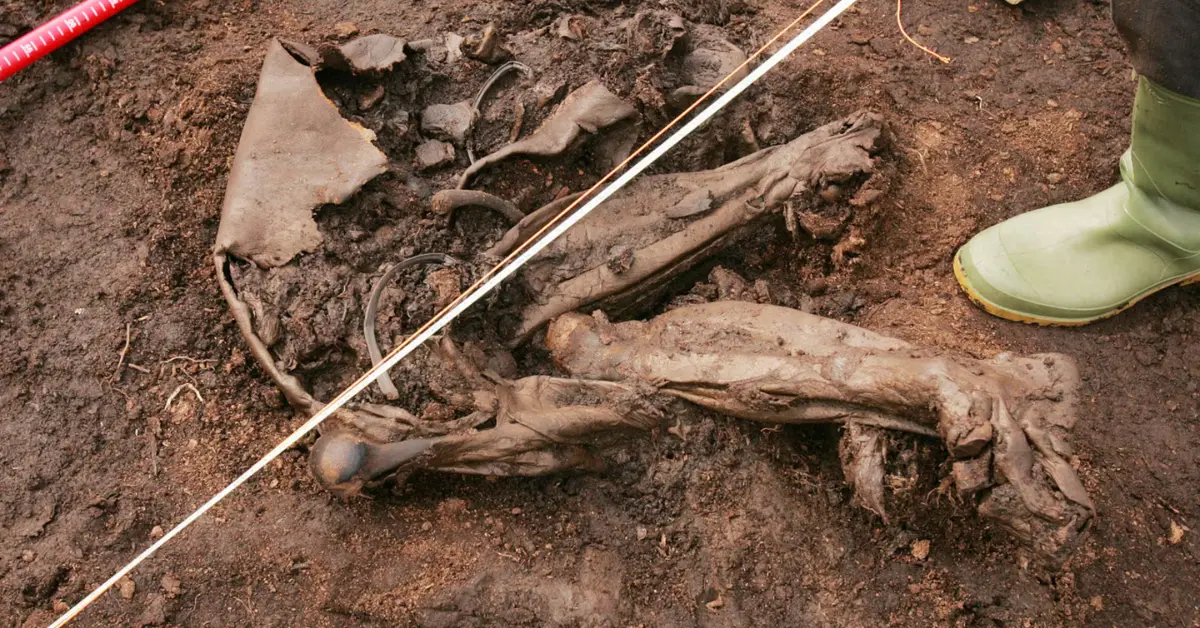
In the summer of 2011, a peat cutter in County Laois stumbled upon something extraordinary beneath the dark, waterlogged earth of a bog. What at first seemed like just another layer of turf turned out to be the remains of a man who had lain undisturbed for thousands of years. This remarkable discovery, later known as the Cashel Man, quickly became one of the most significant finds in Irish archaeology. Unlike ordinary burials, the bog had preserved parts of his body and surroundings, offering a direct glimpse into a distant chapter of Irish ancient history.
The Cashel bog find was more than an archaeological curiosity—it was a rare bridge between the modern world and the Bronze Age. The preservation of his remains, and the clues surrounding his death, immediately raised questions about ritual practices, burial customs, and life in prehistoric Ireland. Archaeologists recognized the archaeological significance of Cashel not only as a local heritage story but as a major contribution to our understanding of European prehistory.
What is the Cashel Man?
The Cashel Man is a naturally preserved bog body discovered in County Laois, Ireland, in 2011. Dating back to the Early Bronze Age, he is believed to be the oldest bog body ever found in Europe, providing invaluable insights into ancient Irish burial customs and ritual practices.
Discovery of the Cashel Man
The discovery of the Cashel Man took place in a remote bog in County Laois, Ireland, during routine peat cutting in 2011. What appeared initially as a dark, waterlogged mass soon revealed itself as human remains. Archaeologists quickly recognized the significance of the find, noting that such well-preserved bog bodies are extremely rare. This particular Cashel bog find added a crucial piece to the puzzle of Irish ancient history, offering a tangible connection to the Early Bronze Age.
Early examinations of the body revealed remarkable preservation, particularly in the skin and hair, which had survived due to the bog’s unique environment. The acidic, oxygen-poor, and cold conditions of the peat created a natural mummification process, keeping the Cashel Man’s remains intact for thousands of years. Researchers began detailed documentation, photographs, and forensic analysis to understand the circumstances of his death and the life he might have led.
The archaeological significance of Cashel is not limited to the body itself. The site also provided context about the surrounding environment, offering insights into Bronze Age Ireland’s landscape, climate, and burial customs. The Cashel Man quickly became a focus for both national and international archaeologists, historians, and enthusiasts, drawing attention not only for its scientific value but also for its cultural and historical importance.
Age and Dating – How Old is the Cashel Man
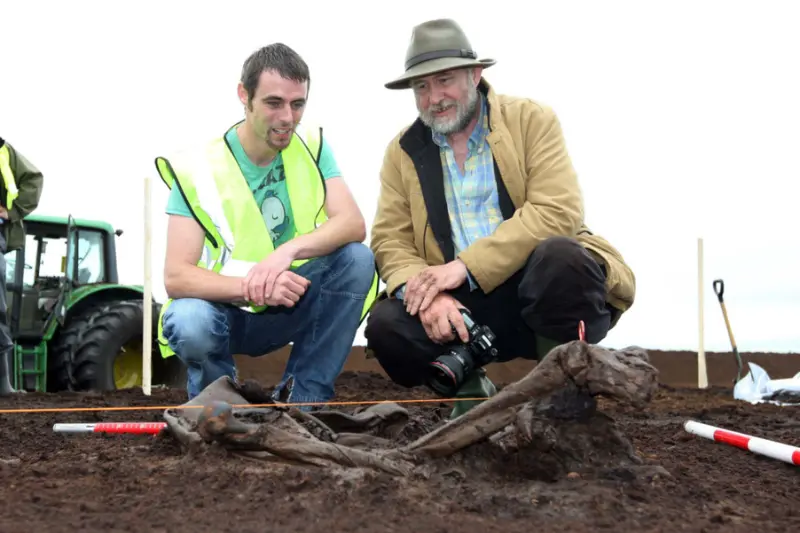
Determining the age of the Cashel Man was a critical step in understanding his place in history. Radiocarbon dating revealed that he lived during the Early Bronze Age, making him over 4,000 years old. This remarkable timeline positions him as possibly the oldest bog body discovered in Europe, offering a rare glimpse into a period of Irish ancient history that is otherwise sparsely documented.
Radiocarbon dating works by measuring the decay of carbon-14 in organic material. In the case of the Cashel Man, samples taken from bone and hair provided precise estimates of when he lived and died. These results not only confirmed his Bronze Age origins but also helped researchers contextualize his life within broader archaeological findings in Ireland and across Europe.
Comparisons with other well-known bog bodies, such as Tollund Man and Grauballe Man from Denmark, highlight the uniqueness of the Cashel Man. While many bog bodies have been found throughout Europe, few offer as much insight into Ireland’s Early Bronze Age. A simple table comparing these discoveries—listing age, location, state of preservation, and significance—helps illustrate why Cashel Man stands out among bog bodies Ireland has yielded.
Understanding his age also raises questions about his death. Was he part of a ritual killing, or did he die under different circumstances? Radiocarbon dating provides the chronological framework, allowing archaeologists to explore these possibilities with greater accuracy and connect his story to the broader patterns of Bronze Age life and ritual practices.
Life and Death in Bronze Age Ireland
The Cashel Man offers a rare window into life and death in Early Bronze Age Ireland. Burial customs during this period were diverse, ranging from simple interments to more complex rituals, and bog bodies like Cashel Man provide direct evidence of these practices. The exceptional preservation of his remains allows archaeologists to examine not only the circumstances of his death but also broader aspects of Bronze Age society, including social structures, religious beliefs, and ritual practices.
One of the most intriguing aspects of the Cashel Man is the evidence suggesting ritual killing. Marks on the body and the unusual context of his deposition indicate that he may have been sacrificed, possibly as part of a religious or ceremonial rite. Human sacrifice in prehistory, though rare, is documented in several bog bodies across Europe, and Cashel Man fits within this pattern, shedding light on the spiritual and cultural dimensions of Early Bronze Age Ireland.
Burial customs of the period often involved placing bodies in waterlogged or marshy areas, which may have had symbolic significance, linking the living and the dead. The Cashel bog find reflects this practice and adds to the growing understanding of ancient Irish burial rituals. His remains also offer clues about diet, health, and daily life, as forensic analysis can detect evidence of nutrition, disease, and physical activity.
In the broader context of Bronze Age rituals, the Cashel Man highlights the interplay between life, death, and belief systems. From tools and artifacts found nearby to comparisons with other Irish and European bog bodies, researchers can piece together a picture of a society where ritual, spirituality, and daily life were deeply intertwined. Through him, we gain insight into how communities of that era navigated the mysteries of life, death, and the natural world around them.
Preservation of Bog Bodies – Nature’s Ancient Time Capsules
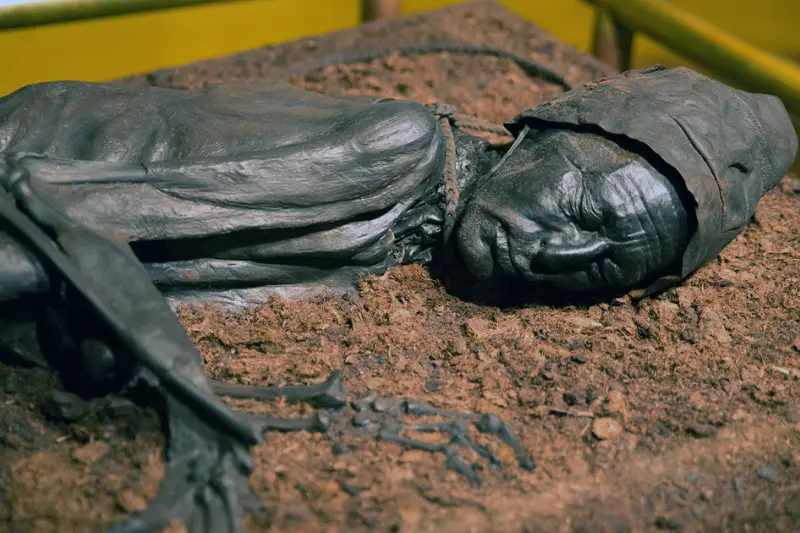
One of the most remarkable aspects of the Cashel Man is the extraordinary preservation of his body, which has allowed researchers to study details that are normally lost over time. Bogs act as natural time capsules due to their unique combination of acidic water, low oxygen levels, and cool temperatures. These conditions inhibit decay, preserving skin, hair, and even stomach contents for thousands of years. The Cashel bog find exemplifies how nature can act as a perfect conservator of history.
Forensic analysis of the Cashel Man has revealed not only the physical state of his remains but also clues about his lifestyle and death. Scientists can examine his bones to determine age, diet, and signs of injury, while the skin and hair provide insight into health and environmental conditions at the time. This type of analysis has been applied to many other bog skeleton discoveries, helping to build a broader understanding of human life and death in prehistoric Ireland and Europe.
Several key factors contribute to bog preservation. Acidic conditions slow decomposition by breaking down bacteria, while low oxygen levels prevent the growth of microbes that would normally consume organic material. Cold temperatures further protect remains, and the waterlogged environment ensures that the body remains continuously submerged, maintaining its delicate structure. A concise list of these preservation factors could be useful for readers seeking quick, digestible insights.
The Cashel Man is not only a scientific treasure but also a cultural one. His preservation allows historians and archaeologists to reconstruct elements of Bronze Age Ireland that would otherwise remain unknown. Through careful study, researchers can learn about ancient Irish burial customs, possible ritual practices, and even environmental conditions, providing a vivid snapshot of life thousands of years ago.
Cashel Man in the National Museum of Ireland
After the discovery and initial analysis, the Cashel Man was carefully transferred to the National Museum of Ireland, where he became one of the institution’s most significant archaeological exhibits. Displaying such a delicate and ancient bog body requires specialized preservation techniques, including controlled temperature and humidity, to ensure that the remains remain stable for research and public viewing.
The exhibition of the Cashel Man allows visitors to witness a direct connection to Ireland’s Bronze Age, bringing prehistoric history to life in a tangible and memorable way. It has drawn significant public interest, not only from local communities but also from international scholars and tourists fascinated by the mysteries of bog bodies. The Cashel Man has become a symbol of Cashel heritage, representing the region’s rich archaeological history and its contribution to understanding Early Bronze Age Ireland.
Beyond public display, the Cashel Man continues to serve as a valuable research subject. Archaeologists and historians study his remains to explore broader questions about prehistoric Ireland, such as ritual practices, human sacrifice, and burial customs. The archaeological significance of Cashel extends beyond this individual discovery; it has provided context for other prehistoric Ireland discoveries and has contributed to comparative studies of bog bodies across Europe.
Through the National Museum of Ireland, the Cashel Man has transitioned from a hidden bog body to an essential part of Ireland’s cultural and scientific heritage. His presence in the museum not only preserves the past but also educates the public about the complexities of Early Bronze Age life, rituals, and the exceptional preservation that allows us to glimpse into a world thousands of years old.
Cashel Man’s Legacy – What We Continue to Learn
The discovery of the Cashel Man has left a lasting legacy in both archaeology and Irish cultural history. His remains provide a unique lens through which researchers can explore Early Bronze Age Ireland, shedding light on burial customs, ritual practices, and the social structures of the time. Each analysis adds to our understanding of Irish bog archaeology and the broader European context of prehistoric human life.
One of the key lessons from the Cashel Man is the insight into ritualistic behavior. The evidence suggesting a possible ritual killing, combined with the placement in a bog, aligns with patterns observed in other bog bodies Ireland and Europe have yielded. Studying these patterns allows archaeologists to hypothesize about belief systems, ceremonial practices, and how early societies viewed life and death.
Beyond the scientific implications, the Cashel Man contributes to cultural heritage and public education. His story connects modern audiences to Ireland’s distant past, highlighting the importance of preserving archaeological sites and understanding ancient traditions. Museums and educational programs use his example to illustrate Early Bronze Age life, making prehistoric history accessible and engaging for the public.
The Cashel Man also inspires further research. Ongoing studies aim to extract more detailed forensic and environmental information, such as diet, health, and climate conditions of his era. Comparisons with other bog skeleton discoveries continue to refine the understanding of Ireland’s prehistoric population.
- Exceptional preservation provides a direct link to Early Bronze Age Ireland.
- Evidence of ritual practices offers insight into prehistoric belief systems.
- Archaeological context highlights the importance of bogs in ancient burial customs.
- Continuous research expands knowledge of diet, health, and daily life in prehistoric societies.
His legacy is not confined to academia; it resonates with cultural identity and the ongoing effort to preserve and understand Ireland’s rich archaeological heritage.
FAQs
What is the Cashel Man?
The Cashel Man is a naturally preserved bog body discovered in County Laois, Ireland, in 2011. Dating to the Early Bronze Age, he provides unique insights into ancient Irish burial customs and possible ritual practices.
How old is the Cashel Man?
Radiocarbon dating indicates that the Cashel Man is over 4,000 years old, making him potentially the oldest bog body discovered in Europe.
Where was the Cashel Man found?
He was discovered in a bog in Cashel, County Laois, during routine peat cutting, later attracting significant archaeological attention.
Why is the Cashel Man important?
His remains reveal Early Bronze Age burial practices, ritualistic patterns, and exceptional natural preservation, offering invaluable information about prehistoric Ireland.
What can we learn from bog bodies?
Bog bodies preserve human remains remarkably well, providing insights into ancient diets, health, clothing, causes of death, and ritual practices.
Where can I see the Cashel Man today?
The Cashel Man is preserved and displayed at the National Museum of Ireland, where visitors can learn about his historical and cultural significance.
Conclusion
The Cashel Man remains one of Ireland’s most remarkable archaeological discoveries, offering a rare glimpse into life, death, and ritual practices during the Early Bronze Age. His extraordinary preservation in the bog allows modern researchers to study details that would otherwise be lost, from burial customs and possible ritual sacrifice to diet, health, and the environment of prehistoric Ireland.
Beyond scientific analysis, the Cashel Man connects the present to the distant past, bridging thousands of years and allowing us to reflect on the beliefs, culture, and daily life of our ancestors. The archaeological significance of Cashel and its bog bodies highlights the importance of preserving Ireland’s heritage while continuing to explore the mysteries buried beneath the peat.
As research continues, the Cashel Man will undoubtedly provide further insights, not only into Early Bronze Age Ireland but also into the broader patterns of human life, ritual, and survival across Europe. His story is a testament to the power of nature, archaeology, and history to illuminate the lives of those who lived long before us, ensuring that the lessons of the past remain vivid and relevant for generations to come.
