

introduction
After a tooth extraction, your mouth is in a delicate state. The gums are sensitive, the jaw may feel sore, and the surgical site needs time to heal. During this recovery period, the foods you choose to eat can make a big difference in how comfortable and smooth the process will be.
A soft diet is essential because it prevents unnecessary pressure on the healing area and reduces the risk of complications such as dry socket. While nourishing foods like yogurt, smoothies, and mashed potatoes can help you stay strong, crunchy or spicy foods may slow down recovery or even cause pain.
In this article, we’ll explore the best soft foods to eat after tooth extraction, highlight what to avoid, and provide dentist-recommended meal ideas so you can heal faster and more comfortably.
why soft foods are essential after a tooth extraction
When a tooth is removed, the body immediately begins the healing process. A blood clot forms in the empty socket, protecting the bone and nerves underneath. This clot is fragile in the first few days, and eating the wrong type of food can easily dislodge it, leading to a painful condition called dry socket.
Soft foods play a critical role during this stage because they:
- Protect the surgical site – Gentle textures minimize irritation and pressure on the gums.
- Support faster gum healing – Nutrient-rich soft meals provide the vitamins and proteins your body needs to repair tissues.
- Reduce chewing strain – Since jaw movement may be limited or uncomfortable, smooth and easy-to-swallow foods prevent unnecessary stress.
- Provide comfort – Warm broths, mashed vegetables, and creamy foods are soothing when your mouth feels sore.
Without a soft diet, you risk slowing your recovery, increasing pain, and facing complications. That’s why dentists recommend carefully selecting your meals during the first week after extraction.
what can you eat after tooth extraction?
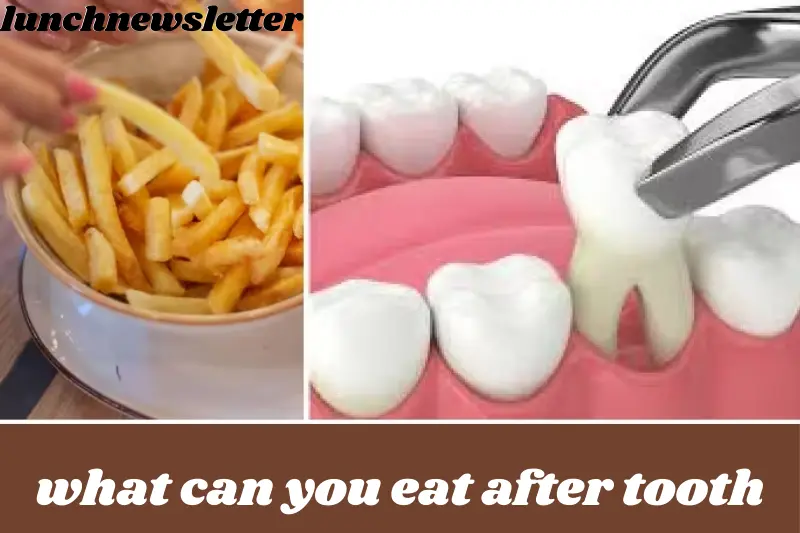
Choosing the right foods after a tooth extraction helps your body heal while keeping you comfortable. The key is to focus on meals that are soft, easy to chew, and packed with nutrients. While you may need to stick to liquids in the first 24 hours, you can gradually add more variety as healing progresses.
Below are categories of safe and dentist-recommended foods you can enjoy after dental surgery:
dairy and protein-rich options
- Yogurt (plain or Greek, without fruit chunks)
- Scrambled or soft-boiled eggs
- Cottage cheese
- Protein shakes or smoothies made with milk or plant-based alternatives
(This answers common concerns like “can I eat mashed potatoes after tooth extraction?”—yes, they’re safe and fall under gentle comfort foods.)
fruits and smooth choices
- Applesauce
- Mashed bananas
- Ripe avocado
- Smoothies (without seeds or hard bits)
These provide natural energy and vitamins without straining the gums.
vegetables and grain-based foods
- Mashed potatoes
- Oatmeal or cream of wheat
- Rice porridge or congee
- Soft pasta dishes (like spaghetti, once it’s well-cooked and not chewy)
(This addresses the search query “can I eat spaghetti after tooth extraction?”—yes, but only if it’s cooked very soft and not paired with crunchy toppings.)
soups, broths, and blended meals
- Chicken broth or vegetable broth
- Pureed vegetable soups (pumpkin, carrot, tomato)
- Lentil soup blended to a smooth texture
These also help keep you hydrated, which is crucial for recovery.
gentle comfort foods and treats
- Pudding or custard
- Jello
- Ice cream (preferably without crunchy mix-ins)
Many people wonder, “can I eat ice cream after tooth extraction?” Yes, you can—cold, soft textures help soothe soreness, but avoid hard or sticky toppings
what to eat 24 hours after tooth extraction
The first 24 hours after a tooth extraction are the most delicate stage of recovery. During this time, the blood clot needs to form and remain undisturbed to protect the healing socket. For this reason, your diet should consist only of very soft or liquid foods that require little to no chewing.
safe options for the first day
- Smooth broths and clear soups (lukewarm, not hot)
- Applesauce or blended fruit purée
- Yogurt without fruit chunks
- Protein shakes or smoothies (avoid seeds, nuts, or straws)
- Pudding, custard, or gelatin
important reminders
- Avoid straws – the suction can dislodge the clot and lead to dry socket.
- Stick to room temperature foods – very hot or very cold items may cause irritation.
- Stay hydrated – drink plenty of water, but sip slowly.
After the first 24 hours, you can gradually add thicker soft foods like mashed potatoes, oatmeal, or scrambled eggs. Always follow your dentist’s instructions before expanding your diet.
soft foods after oral surgery and dental work
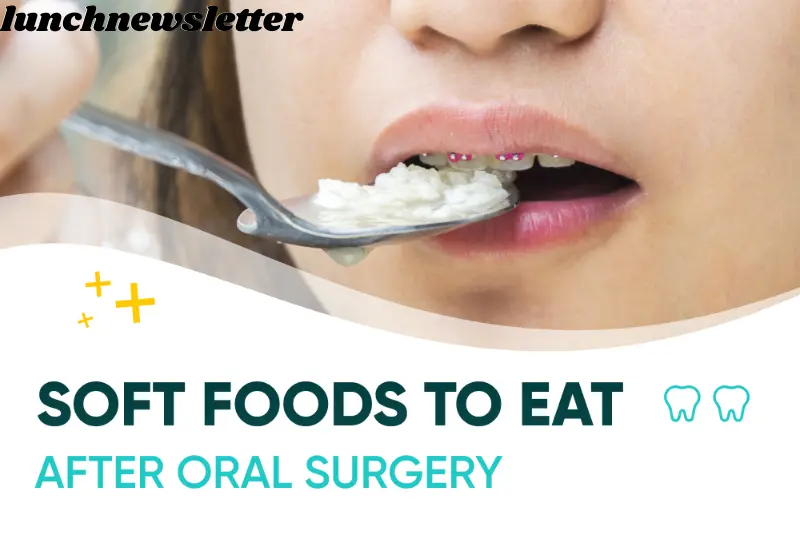
A soft diet isn’t only necessary after a tooth extraction—it’s also recommended for many types of oral surgery and dental treatments. Whether you’ve had wisdom teeth removed, dental implants placed, or extensive dental work done, eating soft foods helps protect sensitive areas, reduces pain, and prevents complications.
when a soft diet is recommended
- Wisdom tooth extraction
- Dental implant surgery
- Gum grafts or periodontal procedures
- Multiple fillings or crowns in one appointment
examples of gentle food choices
- Creamy mashed potatoes or sweet potatoes
- Smoothies with banana, avocado, or yogurt
- Soft scrambled eggs or omelets
- Well-cooked pasta, rice porridge, or oatmeal
- Pureed soups like pumpkin, carrot, or butternut squash
benefits beyond healing
- Keeps your energy up while chewing is limited
- Provides hydration and essential nutrients
- Prevents irritation to stitches or sore gums
By adjusting your meals to focus on soft, soothing options, you’ll not only heal faster but also make recovery more comfortable and less stressful.
foods to avoid after tooth extraction
While soft foods promote healing, certain foods and drinks can slow down recovery or even cause painful complications. Knowing what to avoid is just as important as choosing the right meals.
crunchy and hard foods
Chips, popcorn, nuts, and raw vegetables can scrape the surgical site, dislodge the blood clot, or get stuck in the extraction area.
sticky and chewy foods
Caramel, chewing gum, and gummy candies stick to the teeth and gums, making it harder to keep the mouth clean and increasing the risk of infection.
spicy and acidic foods
Hot peppers, vinegar, and citrus fruits may irritate sensitive gum tissue and cause burning sensations.
very hot foods and drinks
Soups, tea, and coffee that are too hot can disturb the blood clot and prolong healing. Lukewarm options are safer.
carbonated or alcoholic beverages
Soda and alcohol can irritate tissues, interfere with medications, and delay recovery.
Avoiding these items in the first week after extraction will help protect your gums and allow them to heal smoothly.
meal ideas and post-surgery diet tips
Recovering from a tooth extraction doesn’t mean you’re limited to bland or boring meals. With a little planning, you can enjoy nourishing, tasty dishes that are both gentle on your gums and easy to prepare.
sample soft meal ideas
- Breakfast: Creamy oatmeal topped with mashed banana, or scrambled eggs with avocado
- Lunch: Pureed pumpkin soup with a side of applesauce
- Dinner: Mashed potatoes with soft, well-cooked pasta in a smooth sauce
- Snacks: Yogurt, smoothies, or custard
post-surgery diet tips
- Start light – stick to liquids and very soft foods during the first 24 hours.
- Introduce variety gradually – add foods like oatmeal, pasta, and mashed vegetables as your gums start healing.
- Focus on nutrients – choose protein-rich and vitamin-packed options to support tissue repair.
- Avoid straws and crunchy toppings – even soft meals can cause issues if combined with unsafe textures.
Following a meal plan centered around soft, recovery-friendly foods ensures you stay energized without putting your gums at risk.
recovery tips for faster gum healing

Eating the right foods is only part of a smooth recovery after tooth extraction. Simple lifestyle and oral care habits can make the healing process quicker and more comfortable.
stay hydrated
Drink plenty of water to keep your mouth moist and support tissue repair. Avoid using straws, since suction can dislodge the blood clot.
rest and take it easy
Give your body time to heal. Limit physical activity in the first 24–48 hours to reduce swelling and bleeding.
rinse gently
After the first day, use a warm saltwater rinse to keep the area clean. Be gentle—swishing too forcefully can disturb healing.
follow dentist instructions
Take prescribed medications as directed and stick to professional guidelines for diet and oral care.
avoid harmful habits
Smoking, drinking alcohol, and eating hard or spicy foods can delay gum healing and increase the risk of infection.
By combining a soft diet with these recovery-friendly practices, you’ll create the best conditions for your gums to heal quickly and comfortably.
timeline for reintroducing foods after tooth extraction
Your diet after a tooth extraction should progress gradually. Moving too quickly to solid foods can disturb the healing socket, while staying on liquids for too long can leave you undernourished. Following a timeline makes the process safer and more comfortable.
only liquids and very soft foods
In the first 24 hours, your main goal is to protect the blood clot. Stick to smooth, non-chewy foods like clear broths, applesauce, yogurt, pudding, and smoothies without seeds. Everything should be lukewarm or at room temperature to avoid irritation.
add mashed and pureed meals
Once initial healing has started, you can slowly introduce foods that have a little more texture but are still very soft. Mashed potatoes, oatmeal, blended vegetable soups, and scrambled eggs are safe choices. Continue avoiding anything crunchy, sticky, or hot.
onward: include well-cooked pasta, rice, and tender vegetables
By this point, you may feel less sore, and your jaw will be more comfortable with gentle chewing. Soft spaghetti, rice porridge, congee, and steamed vegetables that can be mashed with a fork are good additions. Always chew on the opposite side of the extraction site if possible.
when to safely return to solid foods
Most people can return to a more normal diet after about 1–2 weeks, depending on the complexity of the extraction and personal healing speed. Wisdom tooth extractions or multiple extractions may require a longer soft-food period. Always follow your dentist’s advice before reintroducing tough meats, crunchy snacks, or crusty bread.
nutrient-rich foods that speed up healing
Soft foods after a tooth extraction don’t have to be plain or lacking in nutrition. In fact, choosing the right nutrient-rich options can help your body recover faster, reduce inflammation, and strengthen your immune system during the healing process.
protein for tissue repair
Protein is vital for rebuilding tissue and promoting gum healing. Some gentle, protein-rich options include:
- Greek yogurt or plain yogurt
- Scrambled or soft-boiled eggs
- Smooth protein shakes made with milk or plant-based alternatives
- Pureed lentil or bean soups
vitamins for recovery
Certain vitamins play a major role in wound healing and reducing soreness:
- Vitamin A – found in mashed sweet potatoes and carrots
- Vitamin C – found in pureed fruits like bananas and blended mango smoothies
- Vitamin K – found in cooked leafy greens like spinach, blended into soups
minerals for stronger gums and bones
Minerals like calcium and iron support bone health and overall recovery:
- Dairy products such as milk and cottage cheese
- Mashed beans or pureed lentil dishes
- Fortified oatmeal or soft cereals
hydration for faster healing
Adequate hydration keeps tissues moist and helps flush out bacteria. Choose:
- Water (sipped slowly, no straws)
- Coconut water
- Lukewarm herbal teas
- Smooth broths
By focusing on soft foods packed with these nutrients, you’ll not only heal faster but also maintain your energy while your gums recover.
common mistakes people make after a tooth extraction
Even with the best intentions, many people unintentionally slow down their recovery by making small but harmful choices after a tooth extraction. Being aware of these mistakes can help you avoid setbacks and heal more comfortably.
using a straw too soon
Straws create suction, which can dislodge the protective blood clot in the socket. This often leads to dry socket, one of the most painful complications after extraction.
eating crunchy or chewy foods early
Chips, nuts, crusty bread, or tough meats can scrape the gum tissue, get stuck in the extraction site, or require chewing pressure that delays healing.
drinking alcohol or carbonated beverages
Alcohol interferes with prescribed medications and slows tissue repair. Carbonated drinks may irritate the sensitive area and cause discomfort.
not getting enough protein or fluids
A diet lacking in protein and hydration makes your body weaker and healing slower. Skipping nourishing meals in favor of only desserts or ice cream won’t give your gums the support they need.
ignoring dentist instructions
Each extraction is different, and your dentist’s guidance is tailored to your situation. Skipping check-ups or disregarding advice can increase risks and extend healing time.
By avoiding these mistakes and following a soft, nutrient-rich diet, you’ll protect your gums and reduce the chance of painful complications.
sample 3-day meal plan after tooth extraction
Planning meals ahead of time can make recovery smoother and prevent you from reaching for foods that might harm your gums. Below is a gentle 3-day soft food meal plan designed to keep you nourished while protecting the healing site.
liquids and very soft foods
- Breakfast: Smoothie with banana and yogurt (no seeds)
- Lunch: Clear chicken broth with applesauce on the side
- Snack: Pudding or custard
- Dinner: Pureed vegetable soup
- Evening: Gelatin or a protein shake
thicker soft foods
- Breakfast: Creamy oatmeal with mashed banana
- Lunch: Mashed potatoes with blended lentil soup
- Snack: Yogurt or cottage cheese
- Dinner: Scrambled eggs with avocado mash
- Evening: Ice cream (without crunchy toppings)
gentle variety
- Breakfast: Soft scrambled eggs with applesauce
- Lunch: Pureed pumpkin soup with rice porridge
- Snack: Smoothie with mango and yogurt
- Dinner: Well-cooked spaghetti with smooth tomato sauce
- Evening: Custard or soft pudding
This sample plan balances comfort with nutrition, helping you gradually move from liquids to soft, chewable meals without putting stress on the extraction site.
can i eat my favorite foods after tooth extraction?
One of the most common concerns after dental surgery is whether you can still enjoy your favorite foods. The answer often depends on texture and timing. Here’s a breakdown of popular options and when they’re safe to reintroduce.
mashed potatoes – safe after 24 hours
Soft, creamy mashed potatoes are one of the best comfort foods during recovery. Just make sure they’re not too hot, and avoid chunky or crispy toppings.
spaghetti – safe if very soft
Yes, you can eat spaghetti after tooth extraction, but only once it’s cooked until very tender. Stick to smooth sauces and avoid hard add-ins like meat chunks or crunchy vegetables.
ice cream – safe in moderation
Ice cream is soothing for sore gums, but avoid cones, nuts, or candy mix-ins. Opt for plain flavors or soft serve for the first few days.
bread – wait until gums are stronger
Soft sandwich bread may be okay after a few days, but crusty or toasted bread should be avoided for at least a week, since it can scratch the healing area.
meat – avoid until at least a week later
Tough or chewy meats like steak require strong chewing and can disturb healing gums. Shredded chicken or soft fish may be safe later, but confirm with your dentist first.
By choosing softer variations of your favorite foods and waiting until your gums are ready, you can still enjoy meals without risking your recovery
wisdom tooth extraction vs regular extraction diet
Not all extractions are the same. A single front tooth removal usually heals faster, while wisdom tooth extraction—especially when multiple teeth are removed—often requires a longer and more cautious recovery period. The type of surgery influences how long you’ll need to stay on a soft diet.
regular tooth extraction
- Healing is typically quicker, often within one week.
- Patients may return to semi-solid foods after 3–4 days.
- Chewing is easier since fewer areas of the mouth are affected.
wisdom tooth extraction
- Recovery is slower, often taking 1–2 weeks before resuming solid foods.
- Swelling and soreness can last longer, making soft foods essential.
- Multiple extraction sites may mean sticking to blended or liquid meals for several days.
diet tips for wisdom teeth removal
- Start with liquid foods like smoothies, broths, and protein shakes.
- Slowly move to mashed vegetables, oatmeal, and scrambled eggs after a few days.
- Avoid crunchy, spicy, or chewy foods until cleared by your dentist.
While both types of extraction benefit from soft, nutrient-rich foods, wisdom tooth surgery usually requires more patience before transitioning back to regular meals.
FAQs
what can i eat 24 hours after tooth extraction?
Stick to liquids and very soft foods such as yogurt, applesauce, smoothies (without seeds), clear broths, and pudding. Avoid hot, crunchy, or spicy meals during this period.
when can i eat solid foods after oral surgery?
Most patients can begin adding semi-solid foods after 4–5 days and return to a normal diet within 1–2 weeks. Healing time varies depending on the type of extraction and your dentist’s advice.
can i eat ice cream after tooth extraction?
Yes. Ice cream is safe and soothing, but avoid cones, crunchy toppings, or mix-ins that can irritate the gums. Choose plain, soft varieties instead.
can i eat spaghetti after tooth extraction?
Yes, but only once it’s cooked until very soft. Pair it with a smooth sauce and avoid chewy meats or crunchy vegetables until your gums are stronger.
conclusion
Recovering from a tooth extraction is easier when you follow a soft-food diet designed to protect your gums and support healing. In the first 24 hours, stick to liquids and smooth textures like broths, applesauce, and yogurt. Over the next several days, you can gradually introduce mashed vegetables, scrambled eggs, oatmeal, and even soft pasta, always paying attention to your comfort level and your dentist’s guidance.
Avoiding crunchy, chewy, or spicy foods during this period is just as important as choosing the right meals. By focusing on nutrient-rich options—such as protein, vitamins, and hydration—you’ll not only reduce pain but also speed up recovery.
Whether you’re healing from a wisdom tooth extraction or a routine procedure, the key is patience and consistency. With the right foods and a careful approach, you’ll return to a normal diet safely and enjoy a smoother recovery
You Might Also Enjoy Reading
Bernie Sanders: Age, Biography & Political Career
25 Easy Vegan Dinner Recipes for Quick & Delicious Meals
10 Best Vegan Cafes in Bangalore 2025 You Must Try
