Introduction
Conversation hearts are one of the most recognizable symbols of Valentine’s Day, instantly evoking nostalgia, sweetness, and playful romance. These small, colorful candies printed with short messages have become a cultural staple in classrooms, gift boxes, and holiday displays. Conversation hearts are not just candy; they represent a tradition of expressing affection in a simple, sugary form that spans generations.
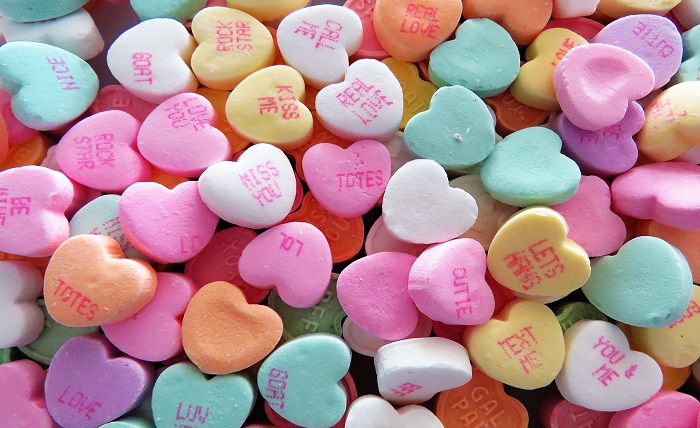
Conversation hearts first gained popularity in the late 19th century, and their appeal has only grown stronger over time. Whether it is a classic “Be Mine” or a modern phrase like “Text Me,” conversation hearts continue to evolve while maintaining their original charm. Their compact size and pastel colors make conversation hearts visually appealing, while their messages make them emotionally engaging.
Today, conversation hearts are more than just sweets; they are collectibles, seasonal decorations, and even inspiration for pop culture. Their presence during Valentine’s season signals love, friendship, and playful communication between people of all ages.
Historical Origins and Evolution
Conversation hearts began as a product of innovation in the confectionery industry. Conversation hearts trace their origins back to the mid-1800s when candy makers experimented with ways to print messages onto sweets. Early versions of conversation hearts were inspired by medical lozenges, which were stamped with messages for convenience and branding.
By the early 1900s, conversation hearts became closely associated with Valentine’s Day, as candy companies recognized the emotional appeal of sharing edible messages of affection. Conversation hearts were originally more elaborate in shape and design, including shell-shaped and even book-like candies before settling into the iconic heart shape we recognize today.
Over time, conversation hearts evolved in both flavor and messaging. Early messages were longer and more formal, such as “Married in White, You Have Chosen Right.” Modern conversation hearts are shorter and more playful, reflecting changing communication styles in society. Despite changes in ownership and production methods, conversation hearts have remained a consistent Valentine’s tradition for over a century.
Manufacturing Process and Ingredients
Conversation hearts are produced using a fascinating combination of food science and industrial candy-making techniques. The process of creating conversation hearts begins with a mixture of sugar, corn syrup, gelatin, and flavoring agents. This mixture is cooked, cooled, and formed into a dough-like consistency before being shaped.
Once the dough is prepared, conversation hearts are pressed into molds that create their iconic heart shape. The next step involves drying, which gives conversation hearts their chalky, firm texture. After drying, they are polished and coated with a thin layer of food-safe coloring to achieve their pastel appearance.
The most distinctive feature of conversation hearts is the printed message. This is achieved using edible ink or food-safe stamping techniques that press short phrases into the surface of each candy. Messages on conversation hearts are carefully selected based on cultural trends, language evolution, and consumer feedback.
Modern conversation hearts also undergo strict quality control processes to ensure consistency in shape, color, and message clarity. Although their texture is often described as chalky, conversation hearts remain popular due to their nostalgic appeal and symbolic meaning.
Cultural Meaning and Symbolism
Conversation hearts carry deep cultural significance, especially during Valentine’s Day celebrations. Conversation hearts symbolize communication, affection, and lighthearted romance. The short phrases printed on each candy allow people to express emotions that might otherwise feel difficult to say aloud.
In schools, conversation hearts are often exchanged among children as friendly gestures of affection. Among adults, conversation hearts serve as nostalgic reminders of childhood and early expressions of love. The simplicity of conversation hearts makes them universally accessible, transcending age, language, and cultural barriers.
Conversation hearts also reflect broader social changes. The evolution of messages from formal Victorian phrases to modern slang shows how communication styles have shifted over time. Today’s conversation hearts include digital-age phrases, reflecting texting culture and social media influence.
In this way, conversation hearts are not just candy but cultural artifacts. They capture changing attitudes toward love, communication, and humor, making them an important part of seasonal traditions.
Flavors, Colors, and Design Evolution
Conversation hearts are known for their distinctive pastel colors, typically including pink, yellow, green, purple, and white. These colors are carefully chosen to reflect the soft, romantic theme of Valentine’s Day. Conversation hearts are designed to be visually appealing, often displayed in decorative boxes or mixed candy assortments.
Flavor-wise, conversation hearts have traditionally included simple fruity and minty tastes. Over time, manufacturers have experimented with new flavor profiles to appeal to changing consumer preferences. Some modern conversation hearts include flavors like strawberry, grape, lemon, and even tropical variations.
The design of conversation hearts has also evolved significantly. While the classic look remains unchanged, limited-edition conversation hearts sometimes feature unique fonts, updated messaging styles, and even glow-in-the-dark packaging. These innovations help keep conversation hearts relevant in a competitive candy market.
Despite these changes, the core identity of conversation hearts remains consistent. Their combination of soft colors, simple shapes, and meaningful messages ensures they remain instantly recognizable and emotionally resonant.
Marketing, Popularity, and Seasonal Demand
Conversation hearts are one of the most heavily marketed seasonal candies in the world. Every year, conversation hearts reappear in stores weeks before Valentine’s Day, signaling the start of the romantic season. Retailers rely on conversation hearts to drive impulse purchases and seasonal candy sales.
Marketing campaigns for conversation hearts often emphasize nostalgia, childhood memories, and emotional connection. Advertisements highlight how conversation hearts can be used to express love in a fun and simple way. Social media has also played a significant role in boosting the popularity of conversation hearts, with users sharing photos, jokes, and creative interpretations of the candy messages.
Seasonal demand for conversation hearts is extremely high, but short-lived. Most sales occur within a few weeks leading up to Valentine’s Day. This limited availability adds to the charm and exclusivity of conversation hearts, making them even more desirable during the holiday season.
In recent years, conversation hearts have also become part of pop culture trends, appearing in themed merchandise, crafts, and digital content. Their marketing success is a testament to their enduring appeal.
Modern Trends and Digital Influence
Conversation hearts have adapted to modern culture in surprising ways. Today’s conversation hearts often include messages inspired by texting, emojis, and internet slang. Phrases like “LOL,” “DM Me,” and “Bestie” reflect how communication has evolved in the digital age.
Conversation hearts have also gained popularity on social media platforms, where users remix, redesign, and reinterpret them in creative ways. Memes featuring conversation hearts are common during Valentine’s season, often poking fun at outdated phrases or proposing humorous new ones.
Some brands have even experimented with customizable conversation hearts, allowing customers to choose personalized messages. This innovation brings conversation hearts closer to modern personalization trends in consumer goods.
Despite technological changes, conversation hearts remain rooted in tradition. Their ability to blend nostalgia with modern relevance is what keeps them culturally significant. Conversation hearts continue to bridge generations, connecting past and present in a uniquely sweet way.
Conclusion
Conversation hearts remain a timeless symbol of Valentine’s Day, blending sweetness, emotion, and communication into a simple candy format. Conversation hearts have evolved from Victorian-era messages to modern digital slang, yet they still preserve their core identity as messengers of affection.
The enduring popularity of conversation hearts shows how tradition and innovation can coexist. Whether enjoyed for their nostalgic value, decorative appeal, or playful messages, conversation hearts continue to hold a special place in seasonal celebrations.
FAQs
1.What are conversation hearts made of?
Conversation hearts are made from sugar, corn syrup, gelatin, flavorings, and food coloring, giving them their signature texture and pastel appearance.
2.Why do conversation hearts have messages on them?
Conversation hearts feature messages to allow people to express affection, humor, and friendship in a simple, edible format.
3.Are conversation hearts still popular today?
Yes, conversation hearts remain popular, especially during Valentine’s Day, due to their nostalgic appeal and seasonal tradition.
4.Do conversation hearts change every year?
Yes, conversation hearts often feature updated phrases that reflect modern language, slang, and cultural trends.
5.Why are conversation hearts associated with Valentine’s Day?
Conversation hearts became linked to Valentine’s Day because they symbolize love, communication, and gift-giving traditions during the holiday.