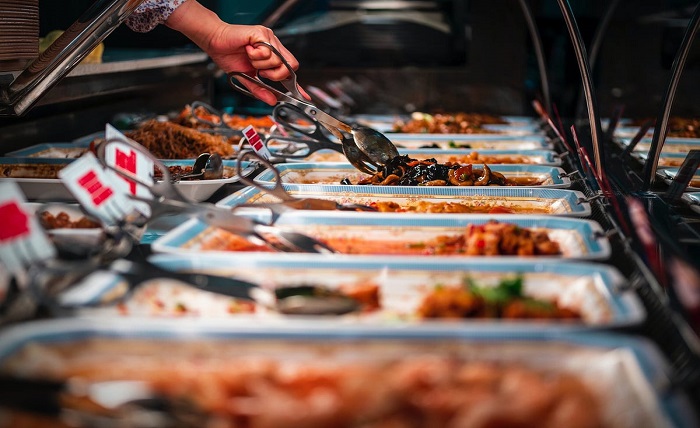
You walk up to a buffet with an empty plate and no real plan. There are several kinds of rice, trays of meat, salads, noodles, bread and a dessert table at the far end. You take a little of everything because choosing one meal feels harder than taking six small parts of different meals.
By the time you sit down, some of it is cold and half the plate does not go together.
A smaller menu would probably have made lunch easier.
A long menu keeps you busy
Large menus sound useful because there is something for everyone. They also give you more to compare.
You read the first page, move to the next one and forget what looked good earlier. The server comes back, and you order the burger because you already know what it is.
This gets easier when you know what you want. If you came in looking for mushroom pizza, most of the menu does not matter.
If you are only hungry, every option stays in play.
Research on choice overload is mixed. Large selections do not cause the same problem every time. The difficulty grows when the options look similar, the choice matters or you do not have a clear preference before you start.
Buffets add quantity to the choice
At a buffet, you are choosing the food and the amount.
A small spoonful feels harmless. So does the next one. Then you spot another tray on the way back to the table and add that too.
The plate fills in pieces.
Variety can make you overeat. You have roast chicken, sushi and lasagna on the same plate – things that you wouldn’t order together. Where the food sits matters as well. The first trays are easier to reach. Bright desserts get more attention than plain fruit.
You are not studying the whole room. You are reacting to what appears first.
The same thing happens online
Streaming apps give you rows of films instead of trays of food.
You open one to watch something for half an hour. Twenty minutes later, you are still scrolling because the next title might be better.
Shopping apps use ratings, sponsored spots and badges. Entertainment sites use featured, popular and recommended sections. These smaller lists save you from checking the whole catalogue.
If you use a trusted UAE casino online, you may do the same thing and pick from a short row of featured or popular games instead of looking through every option.
That saves time. It also means the platform shapes what you see first.
A product may be sponsored. A subscription may already be selected. A featured game may be getting extra attention because the site wants it there.
Good enough is often enough
There is a name for choosing the first option that meets your needs: satisficing.
You stop searching once you find something good enough.
That makes sense for everyday choices. Lunch needs to taste decent. A film needs to fit the time you have. A charger needs to work with your phone.
Spending another hour comparing similar options may not improve much. It may just leave you less certain about the one you finally choose.
The first acceptable option often wins because searching has its own cost.
Narrow the choice before the choice narrows you
It helps to decide what matters before opening the menu or app.
At a buffet, that may mean one main dish and two sides. On a streaming app, choose the type of film and how long you want to watch. When shopping, set a price and one feature you actually need.
This removes most of the list before the list starts doing the choosing for you.
You will still miss things. That is normal.
Most of the time, you were only going to choose from a few options anyway.