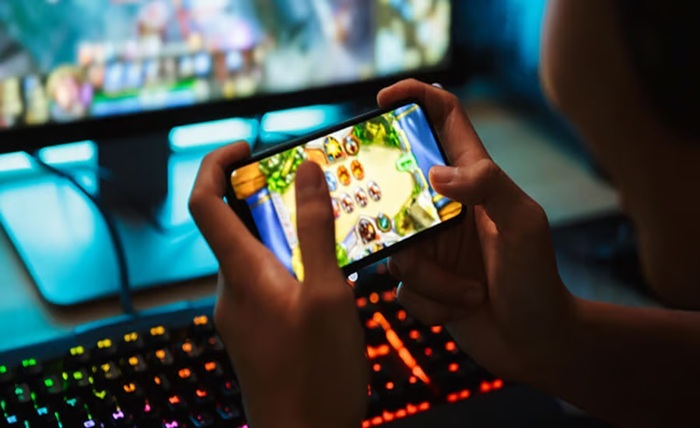
The routine today is takeaway, streaming, maybe a little casual browsing. Maybe a game on the phone while the food is still on the way. It is not a big night. Actually, that is the whole appeal.
The night out is still alive. Restaurants, bars, cinemas, casino restaurants, birthday tables full of plates and half-finished drinks, all of that still has its place. But the night-in has stopped feeling like the fallback option. For many people, it has become the easier version of the same basic thing: comfort food, relaxed screen time, and something to do without putting shoes back on.
The first decision is usually food
Most night-in routines start with hunger, not entertainment.
Cooking can be nice, sure. I like the idea of cooking more than I like washing three pans at 9 p.m. That is where takeaway nights win. Food delivery gives you a small restaurant experience without the waiting, parking, tipping math, or someone asking if you booked.
Even the order tracking becomes part of the evening, in a slightly ridiculous way. You check the map once. Then again. Then again, even though nothing could have changed in 20 seconds.
Snacks fill the gaps. Salty or sweet. Maybe some leftover pizza, something from the cupboard that nobody admits buying. Snack culture fits screen time almost too well. No ceremony. Just a bag opening on the couch and the TV asking who is watching.
The screen does not stay on one thing anymore
Streaming made the night-in feel complete, but it also made it messier.
You can spend longer choosing a film than watching one. A comedy special sits beside a food show. A sports stream sits beside a group chat. Someone starts scrolling while everyone else pretends they are still paying attention.
That is where online entertainment platforms slide into the same evening routine. Most of the time, it doesn’t turn into a night of gaming. A few minutes here. A check-in there. A quick game at YYY casino while waiting for the takeout. Low-effort digital leisure habits, basically, though that sounds too neat for something done with sauce on your fingers.
Wait. Maybe the more honest version is this: people are not choosing one form of night-in entertainment. They are drifting between several.
Food makes screen time feel like more of an event
Food and entertainment have always been tied together. Cinema popcorn is the obvious example. Sports bars built whole evenings around wings, screens, and background noise. Casino dining experience also sits in that same area, where food and entertainment share one setting instead of feeling like separate plans.
The home version is softer. Less noise. Fewer strangers. Paper bags on the table. A blanket on the sofa. The restaurant experience becomes looser, cheaper sometimes, and much easier to pause.
Themed menus can make it feel more planned than it really is. Tacos for a movie. Pizza for a match. Dumplings after someone watches a travel show and suddenly everyone is hungry. I’ve seen that happen. The food idea arrives faster than the actual decision to order it.
And when you think staying in is supposed to be simple.
The low-effort part is doing a lot of work
A night-in combo works best when it asks almost nothing from you.
You do not need a full plan. You do not need one activity everyone agrees on for three hours. If the film drags, someone checks clips. If the chat gets funny, the show waits. If casual gaming sounds better than another episode, the phone is already nearby.
Leisure spending also feels easier to control at home. A night out can pick up extra costs without much warning. Transport, drinks, another round, food after the food. At home, the spending is more visible. You see the basket total before the order goes through.
That does not make the evening sensible, exactly. It just makes it easier to stop before it gets silly.
A quieter kind of social evening
The modern night-in is not always lonely. Sometimes it is more social than expected.
Friends share fries and pass a phone around. Couples order the same thing again and still call it a plan. Families turn dinner into a movie night with almost no setup. Shared entertainment does not always need tickets, noise, and a table booked two days earlier.
Most nights like that are messier than they sound. The food arrives, someone changes the show, someone else checks their phone, and the fries are already getting cold.