
Introduction
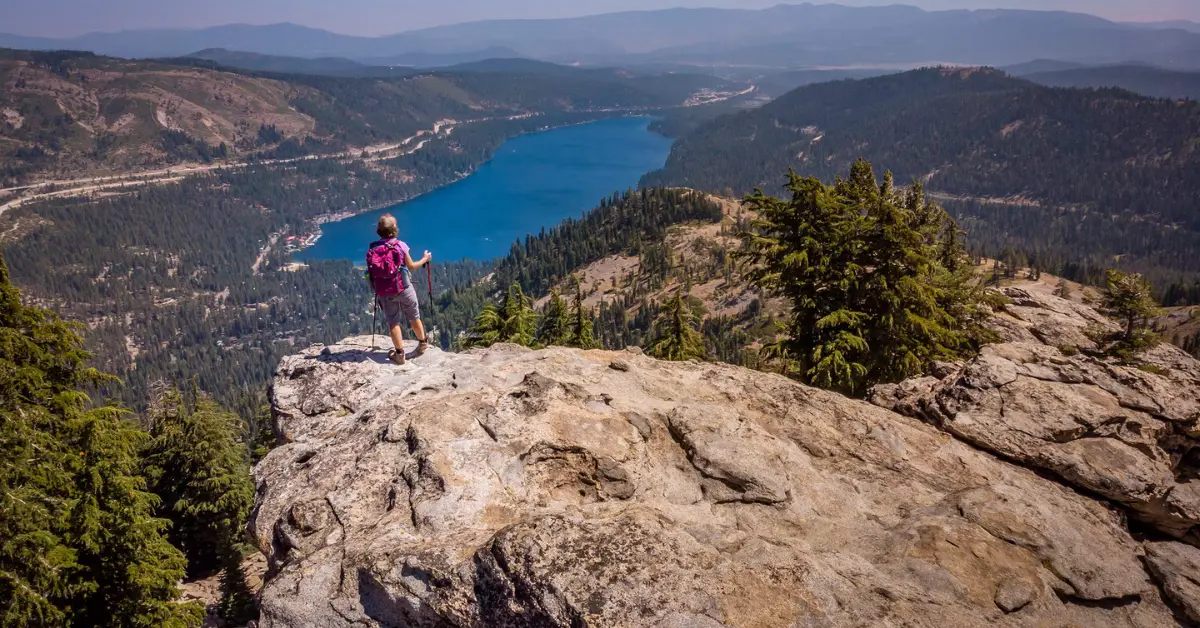
The United States is home to a vast network of Native American heritage trails that trace the footsteps of Indigenous peoples who lived on this land for thousands of years. These paths offer more than scenic walks — they serve as powerful connections to the past, preserving stories, traditions, and sacred sites that define the cultural heritage of Native American communities. From ancient wigwam dwellings to natural wonders like Umpachene Falls, each trail invites travelers to explore the enduring legacy of America’s first inhabitants.
In this article, we’ll take you on a meaningful travel journey through some of the best Native American heritage trails across the USA, highlighting historical locations, cultural insights, and places of spiritual importance. Whether you’re seeking educational exploration or reflective travel, these Native American trails provide a unique and respectful way to engage with living history.
What Are Native American Heritage Trails?
Native American heritage trails are designated routes that follow the historic paths, migration routes, and sacred lands of Indigenous peoples across the United States. These trails are more than just physical paths — they are living records of Native American history, culture, and spirituality, connecting present-day travelers to stories that span centuries.
Many of these trails pass through sites where Native communities once built wigwams, traded goods, held ceremonies, and lived in harmony with the natural world. Some trails align with ancient trade routes, while others follow the forced relocation paths, like the Trail of Tears.
Today, these trails serve as important tools for cultural preservation and public education, inviting visitors to learn about the values, struggles, and deep-rooted traditions that define Native American life. Walking these paths is both a cultural experience and a meaningful form of heritage travel.
Must-Visit Native American Trails in the USA
Across the United States, numerous Native American trails trace ancient paths that once connected villages, trade routes, sacred grounds, and seasonal camps. These heritage trails are rich in culture and history, offering travelers a meaningful way to explore the deep-rooted legacy of Indigenous peoples.
In the northeastern U.S., areas like New England are home to peaceful, historically significant spots such as Umpachene Falls. Named after a Native American chief, this serene waterfall in Massachusetts offers both natural beauty and a sense of spiritual connection. Not far from here, visitors can also find reconstructed wigwams and interpretive centers where they can learn about traditional wigwam houses and Indigenous lifeways.
Moving westward into the Midwest and Great Plains, Native American heritage trails run through states like Illinois, Wisconsin, and Ohio, where ancient mound sites and tribal lands still preserve the memory of the people who once lived there. Some locations even feature wigwam Native American structures built for cultural education.
In Florida, several Native American sites tell the stories of the Seminole, Miccosukee, and earlier tribes. Places like Lake Jackson Mounds and tribal lands in the Everglades offer insight into Native spirituality, governance, and daily life. These are ideal for those searching for Native American trails near me in the southern U.S.
Further west, the landscapes of Arizona, New Mexico, and Colorado reveal trails that pass through sacred canyons, petroglyph sites, and ancestral ruins. The Trail of the Ancients, for example, follows paths once traveled by the Ancestral Puebloans and still used today by Navajo and Hopi people.
Whether you’re walking a quiet woodland path or visiting a cultural center, these trails offer more than a history lesson — they are invitations to experience a living, breathing heritage. This kind of travel allows you to connect with the land in a way that honors those who walked it long before us.
The History and Role of Wigwams
The wigwam is one of the most iconic and enduring symbols of Native American life, particularly among tribes in the Northeastern and Great Lakes regions. These dome-shaped structures were traditionally built using a wooden frame covered with bark, reed mats, or animal hides. Wigwams were designed to be both practical and in harmony with the environment — warm in winter, cool in summer, and easy to assemble or relocate.
Unlike the more well-known tipi, which was common among Plains tribes, wigwams were more permanent homes, reflecting the semi-sedentary lifestyle of many Eastern Woodland tribes. Each element of a wigwam held cultural significance — from the materials used to its placement on the land.
Today, you can see reconstructed wigwam houses along several Native American heritage trails, where they serve as educational tools to help visitors understand how Indigenous communities lived, adapted, and thrived. Many of these replicas are located near museums, cultural centers, and historical parks.
Exploring these structures adds another layer to your heritage travel experience, allowing you to visualize and appreciate the everyday life of Native peoples beyond ceremonial sites and sacred landscapes. It’s a powerful way to connect with history in a hands-on, respectful manner.
You Might Also Enjoy Reading
Lowest Carbon Emission Countries 2025 Ranking Revealed
Explore Aboriginal Cultural Tours in Australia
Top Offbeat Heritage Spots in India 2025
Weekly Intl Security Brief: Top News & Analysis
UN Climate Conference COP29 Highlights 2024
Cultural Significance and Preservation Efforts

Native American heritage trails are not just historical pathways — they are sacred connections to land, ancestry, and identity. For many Indigenous communities, these trails represent more than movement; they mark spiritual journeys, seasonal cycles, hunting grounds, and places of ceremony. Walking these trails with awareness and respect is a way to honor living cultures that have survived centuries of displacement, colonization, and erasure.
Preserving these trails, along with sites like wigwams, burial mounds, and natural landmarks such as Umpachene Falls, is critical to maintaining the integrity of Native American heritage. Tribes across the country are actively involved in protecting and interpreting these spaces. Many collaborate with local, state, and federal agencies to manage access, restore historical sites, and provide cultural education through signage, guided walks, and community-led events.
However, challenges persist — including environmental threats, urban development, and limited funding. That’s why it’s important for visitors and travelers to engage in heritage tourism responsibly. Respectful travel means staying on marked paths, observing local guidelines, and supporting Native-owned organizations and artisans when possible.
When we preserve these spaces, we help ensure that future generations — Native and non-Native alike — can learn from and walk alongside the powerful stories these trails still carry.
Planning Your Visit – Tips & Resources
Exploring Native American heritage trails offers a unique blend of history, culture, and nature. Whether you’re searching for native american trails near me or planning a dedicated cultural trip, a little preparation can make your visit more meaningful and respectful.
Start by researching local tribal websites, state heritage organizations, or national parks that feature Indigenous trails and sites. Many regions offer downloadable maps, guided tours, and visitor centers where you can learn about trail significance and proper etiquette.
If you’re interested in seeing traditional structures, look for trails that highlight wigwam houses or other Indigenous dwellings. Visiting places like Umpachene Falls or Native American sites in Florida requires checking seasonal access and local regulations, so plan accordingly.
Be sure to dress for the outdoors, bring plenty of water, and respect all signs and cultural restrictions. Remember, these trails are living heritage sites, so maintaining their integrity benefits both Native communities and future travelers.
For those who want to dive deeper, consider joining cultural events or workshops hosted by Native groups, which often coincide with heritage trail visits.
The Cultural Diversity Along Native American Heritage Trails
Native American tribes are incredibly diverse, each with unique languages, traditions, and histories. Traveling these heritage trails introduces you to this rich mosaic of cultures—from the Algonquian-speaking tribes of the Northeast who lived in wigwams, to the Seminole and Miccosukee peoples of Florida, and the Navajo and Hopi of the Southwest. Understanding this diversity enriches your journey and highlights how different tribes shaped their environments and ways of life.
Exploring Natural Landmarks: Umpachene Falls and Beyond
Many Native American heritage trails pass through stunning natural landmarks like Umpachene Falls, which is not only a beautiful waterfall but also a place imbued with Indigenous stories and spiritual significance. Other natural sites include sacred mountains, rivers, and forests that were essential for sustenance and ceremonial practices. Exploring these natural wonders offers a glimpse into how closely connected Native peoples were to the land.
Native American Trail Technology and Navigation
Long before modern maps and GPS, Native Americans used sophisticated methods to navigate their vast territories. Natural landmarks, star patterns, and oral traditions helped guide travelers along trails safely. This section can explore how Indigenous knowledge of the environment shaped trail routes and how that knowledge continues to be respected and revived today.
Native American Heritage Trails and Ecotourism
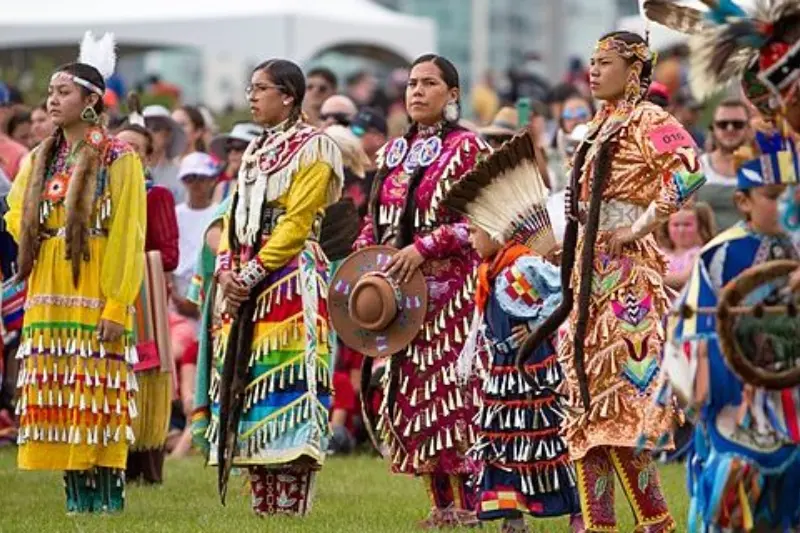
Heritage trails also play a role in sustainable tourism. Many tribes encourage visitors to engage in ecotourism, promoting environmental conservation alongside cultural education. This approach helps protect fragile ecosystems along the trails while fostering economic benefits for Native communities through responsible tourism.
How to Support Native Communities When Visiting Heritage Trails
Beyond visiting, travelers can contribute by buying authentic Native-made crafts, attending cultural workshops, or donating to preservation funds. This section can provide practical tips on how visitors can support Indigenous economies and cultural initiatives in meaningful ways.
Famous Native American Leaders and Heritage Trails Linked to Their Stories
Highlight historic figures connected to some of the heritage trails—such as Chief Umpachene near Umpachene Falls or other leaders tied to significant events along these routes. These stories add human depth and emotional connection to the trails.
Preservation Challenges and the Future of Native American Heritage Trails
Discuss ongoing threats like urban development, climate change, and neglect that many heritage trails face. Highlight how tribes and allies are fighting to protect these trails and what the future holds for them.
Educational Resources and Museums Related to Native American Heritage Trails
Guide readers to museums, cultural centers, and online resources that provide deeper context about the tribes, artifacts, and history connected to the trails. Examples could include the National Museum of the American Indian or local tribal museums near trail sites.
Frequently Asked Questions
What are Native American heritage trails?
Native American heritage trails are historic paths used by Indigenous peoples for trade, migration, ceremonies, and daily travel. Today, many are preserved as cultural and natural heritage sites that visitors can explore to learn about Native American history and traditions.
Where can I find Native American heritage trails in the USA?
These trails are found across the country—from the Northeast around Massachusetts and New England, through the Midwest and Great Plains, down to Florida’s tribal lands, and out West in the Southwest’s desert regions. Popular spots include Umpachene Falls in Massachusetts and the Trail of the Ancients in the Southwest.
What is a wigwam?
wigwam is a traditional Native American dwelling used primarily by tribes in the Northeastern United States. It features a wooden frame covered by bark, mats, or hides. Wigwams were semi-permanent homes and differ from the tipi used by Plains tribes.
Are Native American heritage trails suitable for beginners or families?
Yes! Many heritage trails offer easy to moderate hikes, educational centers, and cultural exhibits suitable for all ages. It’s a great way for families to connect with nature and history together.
How can I travel respectfully on Native American heritage trails?
Respect includes staying on marked trails, not disturbing artifacts or natural features, following local guidelines, and supporting Native-owned businesses and cultural programs. Learning about the tribe’s history and customs before your visit is also recommended.
Conclusion
Exploring Native American heritage trails USA offers a profound and enriching way to connect with the country’s first peoples and their enduring cultures. From the traditional wigwam houses to sacred natural landmarks like Umpachene Falls, these trails provide travelers with a unique opportunity to walk through history, honor living traditions, and appreciate the deep relationship between Indigenous communities and the land. By visiting respectfully and supporting preservation efforts, you help ensure that these meaningful sites remain protected and celebrated for generations to come. Whether you’re seeking adventure, education, or spiritual connection, Native American heritage trails invite you to discover a rich cultural legacy that continues to thrive today.
You Might Also Enjoy Reading
Lowest Carbon Emission Countries 2025 Ranking Revealed
Explore Aboriginal Cultural Tours in Australia
Top Offbeat Heritage Spots in India 2025
