
Introduction to Modern Food Culture
What is modern food culture?
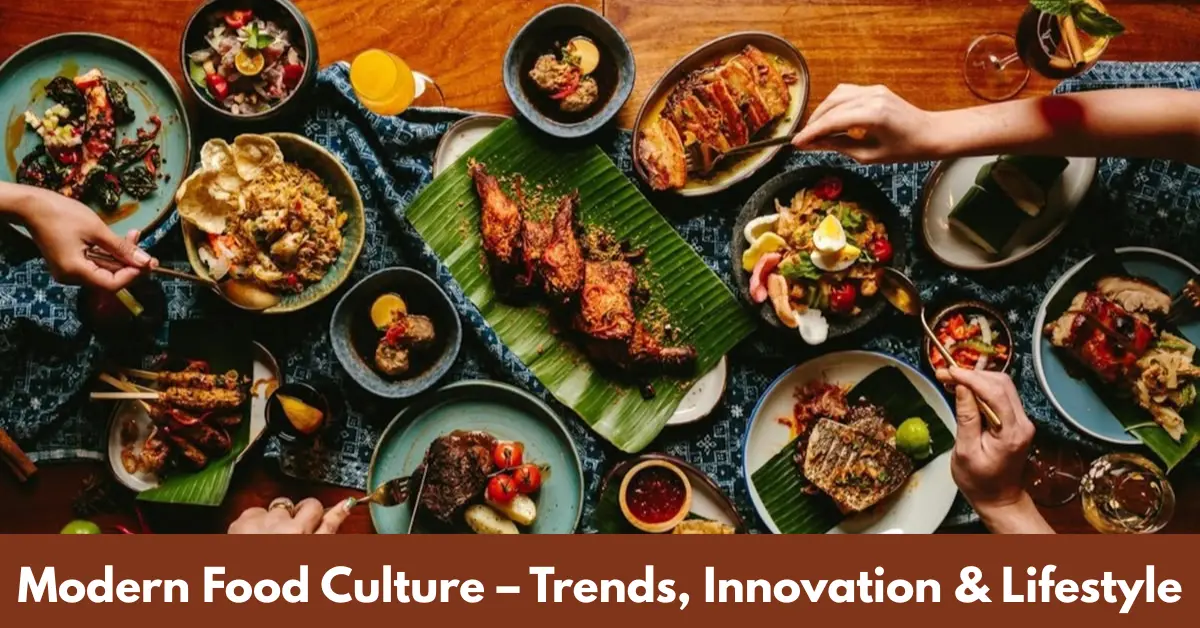
Modern food culture refers to the evolving way people choose, prepare, and consume food in today’s world—shaped by globalization, technology, and changing lifestyles. It blends modern cuisine with new dining habits while keeping traditions alive.
For centuries, food was deeply tied to geography and tradition. Families followed set food habits, eating locally available produce, and preparing meals that reflected their cultural roots. Over time, industrialization and migration introduced people to new eating patterns, expanding culinary possibilities beyond their hometowns. What began as necessity soon became choice—leading to the rise of contemporary dining, where people explore flavors from across the globe in a single city.
Globalization played a key role in this shift. It made exotic ingredients accessible, allowed international restaurants to flourish, and encouraged chefs to experiment with modern cuisine. At the same time, technology has transformed how food is discovered and shared—apps, delivery platforms, and social media trends now influence what ends up on our plates.
Lifestyle changes have also accelerated this transformation. Today, people seek meals that are quick, flavorful, and health-conscious, without compromising on cultural variety. As a result, modern food culture is not just about what we eat—it’s about how food reflects our identities, connects communities, and adapts to a fast-changing world.
Historical Evolution of Food Culture
The story of food is also the story of human civilization. What we now call modern food culture is built on centuries of culinary traditions, migrations, and innovations that gradually reshaped how people eat.
From Tradition to Global Cuisine
In earlier times, meals were largely determined by geography—people ate what was locally grown, seasonal, and culturally familiar. Staple diets like rice in Asia, bread in Europe, and maize in the Americas reflected the land’s resources. These food habits were passed down through generations, creating strong cultural identities around food.
With the rise of trade routes such as the Silk Road, ingredients like spices, tea, and sugar traveled across borders, introducing communities to new flavors. This was the foundation of global cuisine, where regional boundaries blurred, and people began to incorporate outside influences into their diets.
Industrialization and Restaurant Culture
The 18th and 19th centuries marked a turning point. Industrialization enabled mass food production and preservation methods like canning and refrigeration, making a wider variety of foods accessible to ordinary people. This era also saw the birth of the restaurant culture in Europe, where dining out became a social experience rather than just a necessity.
The Rise of Modern Gastronomy
By the late 20th century, chefs began pushing boundaries with modern gastronomy—a movement that combined science and creativity in the kitchen. Techniques such as molecular cooking and fusion recipes reflected a desire to innovate beyond tradition. At the same time, global migration exposed societies to a mix of cooking styles, paving the way for the diverse and experimental culinary landscape we see today.
In short, the historical evolution of food culture shows a clear shift—from eating for survival to eating for experience, connection, and identity.
Global Food Trends Shaping Today’s Plates
Modern food culture is constantly evolving, and one of the biggest drivers of change today is the influence of global food trends. Thanks to travel, migration, and digital platforms, flavors and cooking methods that were once regional specialties are now embraced worldwide.
The Rise of Global Cuisine
What used to be considered exotic is now part of everyday dining. Sushi, tacos, kebabs, and ramen are no longer confined to their countries of origin—they are enjoyed across continents. This blending of culinary traditions has created a truly global cuisine, allowing people to experience the world through their plates.
Fusion Cooking and Culinary Trends
As cultures mix, so do their recipes. Fusion cooking has become one of the hallmarks of culinary trends in the modern era. Think of Korean-Mexican tacos, Indian-style pizzas, or Japanese-inspired burgers. These dishes showcase creativity while reflecting the interconnected nature of today’s food scene. Chefs and home cooks alike are constantly experimenting with cooking styles to deliver new experiences.
Street Food Trends Go Global
Street food, once considered humble and localized, has gained international recognition. Popular street dishes like shawarma, dumplings, and churros have evolved from roadside snacks to restaurant menu highlights. This street food evolution reflects how casual dining has moved into mainstream culture.
Comparison of Traditional vs. Modern Dining Practices
| Aspect | Traditional Dining | Modern Dining |
|---|---|---|
| Food Source | Local, seasonal produce | Global ingredients available year-round |
| Preparation | Time-intensive, family recipes | Quick, convenient, experimental |
| Cultural Influence | Rooted in heritage | Cross-cultural and globalized |
| Dining Experience | Home-centered, communal | Restaurants, fast casual, on-the-go |
This comparison highlights how food has transitioned from heritage-based traditions to a more experimental and global approach.
In essence, global food trends have expanded the definition of what it means to eat well. They not only bring diversity to the table but also redefine modern cuisine as a fusion of cultures, creativity, and accessibility.
Health-Conscious Eating in the Modern Era

One of the most defining aspects of modern food culture is the rise of health-focused eating. Unlike past generations, where convenience or tradition dictated meals, today’s consumers are more aware of how food choices affect their long-term health and the environment. This shift has given rise to trends like plant-based diets, organic food, and sustainable dining practices.
The Growth of Plant-Based Eating
Plant-based eating is no longer limited to vegetarians or vegans—it has entered mainstream dining. From oat milk lattes to plant-based meat alternatives, restaurants and supermarkets are adapting to meet this growing demand. Studies show that the global plant-based food market is expected to grow significantly in the coming decade, reflecting a change in both health priorities and environmental awareness.
Organic Food Movement
The organic food movement has gained traction as people seek ingredients free from synthetic pesticides and chemicals. While once considered a luxury, organic produce has become more widely available, often linked with higher nutritional value and a cleaner lifestyle. This trend emphasizes a return to natural farming methods while aligning with the wellness-driven mindset of modern consumers.
Sustainable Dining Practices
Modern diners are increasingly conscious of where their meals come from and how they are produced. Sustainable dining practices—such as reducing food waste, supporting local farmers, and opting for ethically sourced ingredients—are shaping menus across the world. Restaurants now highlight sustainability as part of their identity, appealing to eco-conscious customers.
A Health-Conscious Lifestyle
Ultimately, health-conscious eating reflects more than just what’s on the plate—it is part of a lifestyle. People are seeking foods that support balanced nutrition, improve energy, and align with personal values. From fitness-driven diets to mindful eating habits, food has become a tool for well-being rather than just survival.
In short, the health-conscious movement in food culture represents a blend of personal health, ethical responsibility, and culinary creativity. It is redefining not just what we eat, but why we eat it.
Keywords used naturally: plant-based eating, organic food movement, sustainable dining practices, health-conscious diets, food innovation.
Structured with subsections for readability.
Statistics + lifestyle connection for authority.
The Digital Food Culture
Food is no longer just something we eat—it’s something we share, photograph, and discover online. The rise of social media has created an entirely new layer of modern food culture, where trends spread globally within hours and influence what people cook, order, and even aspire to eat.
Social Media and Food Trends
Platforms like Instagram, TikTok, and YouTube have become powerful drivers of digital food culture. Viral recipes such as whipped coffee, rainbow bagels, or “smash burgers” show how quickly trends can capture attention and cross borders. Food aesthetics—vivid colors, perfect plating, and creative presentations—play a huge role in determining what goes viral.
Influence on Eating Patterns and Habits
The digital age has changed eating patterns. People are not only inspired by what they see online but are also influenced by reviews, influencers, and online communities. A single viral post can cause a restaurant to sell out in hours, reflecting how digital buzz now rivals traditional marketing.
The Foodie Lifestyle and Community
Social media has fueled the growth of the foodie lifestyle. People identify themselves as part of a foodie community, where dining is not just about nourishment but also about exploration, status, and storytelling. Sharing a photo of an artisanal latte or a gourmet meal is part of the experience, connecting people through digital platforms.
Featured Snippet Opportunity: How Does Social Media Influence Food Culture?
Social media influences food culture by popularizing trends, shaping dining choices, and creating global exposure for recipes and restaurants. It has turned eating into both a digital and cultural experience.
In essence, the digital food culture represents the merging of technology with culinary creativity. It has made food more accessible, interactive, and aspirational—transforming not just what we eat but how we experience it.
Keywords used naturally: digital food culture, social media food trends, foodie lifestyle, foodie community, food aesthetics.
Added a concise featured snippet definition for ranking opportunity.
Farm-to-Table and Sustainable Eating Movements
One of the most influential shifts in modern food culture is the farm-to-table movement, which emphasizes fresh, locally sourced ingredients and environmentally responsible dining. This approach reflects the growing desire for transparency in food production and a commitment to supporting sustainable practices.
What is the Farm-to-Table Concept?
The farm-to-table concept is a dining approach that connects consumers directly with local farmers and producers. Instead of relying on large-scale industrial supply chains, restaurants and households prioritize seasonal, locally grown food. This ensures fresher flavors, reduces transportation costs, and supports community agriculture.
Benefits of Sustainable Eating
Sustainable eating is more than just a trend—it’s a necessary shift in how we consume food. Some key benefits include:
- Healthier choices: Fresh, minimally processed foods often retain more nutrients.
- Environmental impact: Lower carbon footprint by reducing transportation and packaging.
- Economic support: Revenue for local farmers and small producers.
- Food security: Encouraging biodiversity and resilient food systems.
Organic Food and Eco-Friendly Practices
The organic food movement and farm-to-table dining share similar values. Both reject heavy reliance on artificial chemicals, instead favoring natural farming methods. Many restaurants highlight partnerships with local farmers on their menus, turning sustainability into both a philosophy and a selling point.
Case Study: Restaurants Leading the Change
In cities worldwide, chefs have adopted the farm-to-table model to redefine dining experiences. For example, certain Michelin-starred restaurants build their entire menus around seasonal harvests, showcasing how sustainable dining practices can coexist with culinary excellence.
Farm-to-table and sustainable eating movements demonstrate how food culture is becoming more conscious, blending ethical responsibility with the joy of dining. By valuing the journey of food from the soil to the plate, consumers are reshaping modern cuisine to be healthier, fresher, and more environmentally aligned.
Keywords included naturally: farm-to-table concept, sustainable eating, organic food movement, sustainable dining practices.
Balanced explanation + case study for authority.
List for readability.
Culinary Innovation and Gourmet Culture
Modern food culture thrives on innovation, with chefs, restaurants, and even home cooks constantly pushing boundaries to create new experiences. At the same time, gourmet dining has become a symbol of sophistication and artistry, blending tradition with modern creativity.
The Rise of Culinary Innovation
Culinary innovation goes beyond simply creating new recipes—it involves experimenting with techniques, ingredients, and presentation. From molecular gastronomy to plant-based meat alternatives, chefs are reimagining what food can be. This drive for innovation reflects the evolving expectations of diners who seek not just a meal but a memorable experience.
Modern Gastronomy and Food Science
The concept of modern gastronomy has transformed fine dining. Techniques such as foaming, spherification, and sous-vide cooking bring science into the kitchen, producing textures and flavors once thought impossible. These methods highlight how food can be both art and science, elevating the overall dining experience.
The Growth of Gourmet Culture
Alongside innovation, gourmet culture has expanded, offering diners a taste of exclusivity and refinement. Gourmet dining is not limited to luxury restaurants—it can also be seen in artisanal coffee shops, handcrafted desserts, and boutique food experiences. This reflects a gourmet lifestyle, where people are willing to invest more for authenticity, craftsmanship, and uniqueness.
Restaurant Culture and Experiential Dining
Restaurants are now designed to provide more than just food—they create experiences. Interactive tasting menus, chef’s table events, and immersive themes showcase how restaurant culture has adapted to modern expectations. Dining has become a blend of entertainment, storytelling, and innovation.
Culinary innovation and gourmet culture highlight how far food has come from being a necessity. Today, it is an expression of creativity, identity, and artistry, with chefs acting as both scientists and storytellers.
Keywords used naturally: culinary innovation, modern gastronomy, gourmet culture, gourmet lifestyle, restaurant culture.
Included examples + storytelling for depth.
Street Food Evolution and Fast Casual Dining
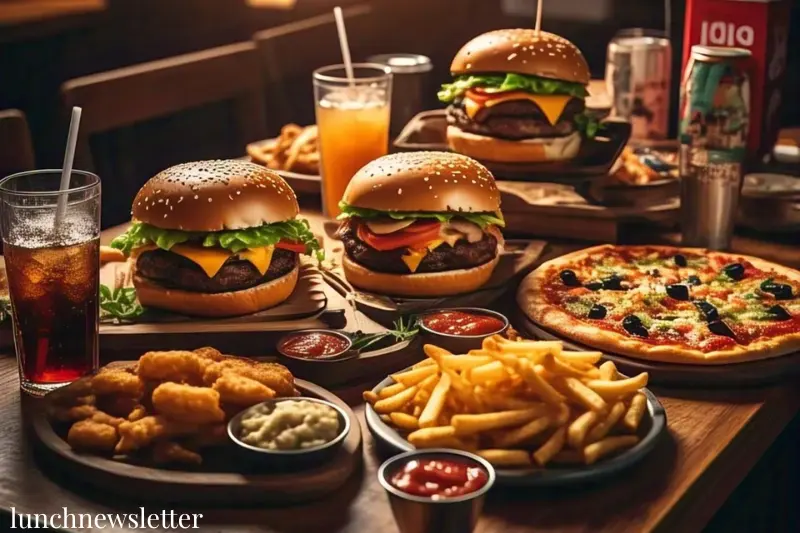
Street food has long been the heart of local food traditions, offering quick, affordable, and flavorful meals. In the modern era, it has evolved into a global phenomenon, influencing mainstream dining and even inspiring new restaurant models such as fast casual dining.
From Local Tradition to Global Influence
Street food was once tied closely to local culture—tacos in Mexico, satay in Southeast Asia, falafel in the Middle East. As globalization increased, these dishes traveled across borders and became part of global food trends. Today, it’s common to find a variety of international street foods in major cities worldwide, reflecting how food connects cultures.
Street Food Evolution
The street food evolution shows how informal roadside meals are now celebrated by chefs and food enthusiasts alike. Many traditional street foods have been elevated into gourmet dishes, appearing on fine dining menus or being reinvented with modern twists. For example, bao buns, once a simple snack in Asia, are now served in upscale restaurants with innovative fillings.
The Rise of Fast Casual Dining
Fast casual dining bridges the gap between street food convenience and restaurant-quality meals. Unlike traditional fast food, it emphasizes fresh ingredients, customizable menus, and unique flavors. Brands offering poke bowls, artisanal burgers, or gourmet salads reflect how contemporary dining adapts the spirit of street food into a modern, accessible format.
Popular Street Food Influences Today
- Tacos and burritos (Mexico → global fast casual chains)
- Shawarma and falafel (Middle East → popular across Europe & North America)
- Dumplings and noodles (Asia → global comfort food)
- Hot dogs and sandwiches (USA → reinvented in gourmet styles)
Street food and fast casual dining demonstrate how modern food culture blends tradition with innovation. They prove that good food doesn’t have to be complicated—sometimes, the simplest meals carry the most cultural impact.
Keywords used naturally: street food evolution, global food trends, contemporary dining, fast casual dining.
List included for readability.
Cultural examples + modern application for authority.
The Rise of the Foodie Lifestyle
Food is no longer just about survival—it has become a form of identity, culture, and even social currency. The rise of the foodie lifestyle reflects how modern dining has transformed into an experience that people actively seek, share, and celebrate.
What is the Foodie Lifestyle?
The foodie lifestyle is centered on curiosity and passion for discovering new flavors, restaurants, and dining experiences. Unlike traditional eaters, foodies view meals as adventures, always searching for the next unique dish or trend. Being part of the foodie community is as much about exploring food as it is about storytelling and connection.
Food as a Social and Cultural Experience
Eating is no longer confined to the home or restaurant—it has become a cultural event. Food festivals, tasting events, and pop-up kitchens provide opportunities for people to engage with culinary innovation while sharing their experiences with others. This trend reflects how eating patterns are shaped not just by taste, but also by social interaction and lifestyle choices.
The Role of Media and Travel
Food media, documentaries, and travel shows have fueled the popularity of the foodie lifestyle. From exploring global street food to highlighting fine dining, these platforms have made food discovery accessible to everyone. Combined with affordable travel, people are increasingly able to immerse themselves in global cuisine and bring those influences back home.
Featured Snippet Opportunity: What is a Foodie Lifestyle?
A foodie lifestyle is a way of living where dining is more than nourishment—it is an exploration of culture, creativity, and community through food.
The rise of the foodie lifestyle shows how food has evolved beyond necessity. Today, it is an expression of curiosity, identity, and connection, making it a defining part of modern food culture.
Keywords included naturally: foodie lifestyle, foodie community, global cuisine, eating patterns.
Featured snippet definition added.
Cultural + social perspective included for depth.
Challenges and Criticisms of Modern Food Culture
While modern food culture has brought innovation, diversity, and accessibility, it is not without challenges. Alongside its benefits, critics point out issues of sustainability, commercialization, and the potential loss of traditional culinary roots.
Food Waste and Overproduction
One major concern is the growing issue of food waste. With global supply chains and mass production, surplus food often ends up discarded rather than consumed. According to the United Nations, roughly one-third of all food produced worldwide is wasted each year. This raises questions about sustainability and responsible consumption.
Over-Commercialization of Food Trends
Social media and fast-moving culinary trends often prioritize aesthetics over nutrition or authenticity. Viral dishes may look appealing but can sometimes lack cultural depth or nutritional value. This over-commercialization risks turning food into a short-lived spectacle rather than a meaningful cultural expression.
Loss of Authenticity
The rise of fusion cooking and modern gastronomy has introduced creativity, but it also raises debates about authenticity. Traditional recipes are sometimes altered to fit modern tastes, which can dilute their cultural significance. For example, many “global cuisine” dishes served internationally differ greatly from how they are prepared in their countries of origin.
Balancing Health and Convenience
Modern diners often seek quick, convenient meals while also demanding healthier, sustainable eating options. Striking this balance can be challenging, particularly as fast casual chains attempt to merge convenience with wellness. Critics argue that this can sometimes result in marketing-driven solutions rather than meaningful changes.
Modern food culture, therefore, exists at a crossroads: it offers creativity and global connection but also faces challenges in preserving tradition, ensuring sustainability, and maintaining authenticity.
Keywords included naturally: culinary trends, fusion cooking, modern gastronomy, sustainable eating, global cuisine.
Statistics added for authority.
Critical perspective for balance.
The Future of Modern Food Culture
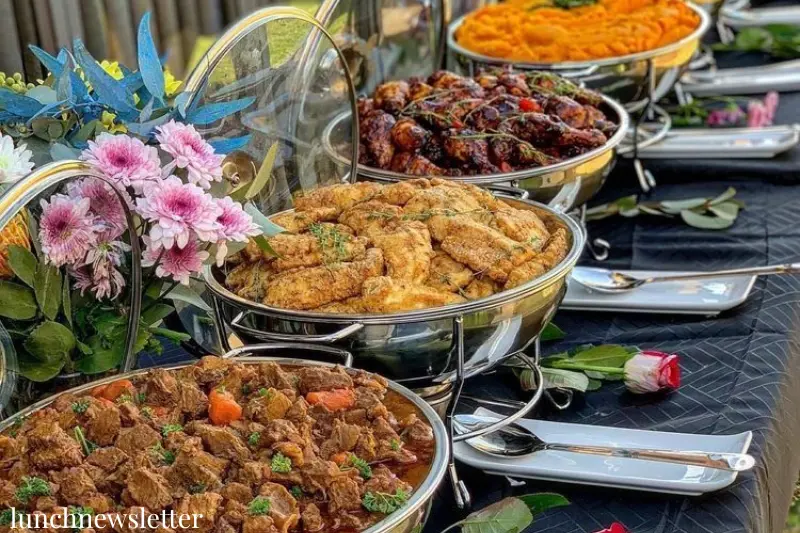
The future of modern food culture is being shaped by shifting values, technological advancements, and growing awareness about sustainability. As lifestyles evolve and societies become more interconnected, what and how we eat will continue to transform in profound ways.
Rise of Plant-Based and Sustainable Diets
Consumers are increasingly drawn to plant-based eating and eco-friendly diets. With climate concerns on the rise, the demand for sustainable dining practices will continue to grow. More restaurants are adopting farm-to-table concepts and sourcing ingredients locally to reduce carbon footprints while providing fresher meals.
Technology-Driven Food Experiences
Digital food culture is expected to expand even further. From AI-powered recipe apps to food delivery platforms, technology is reshaping the way people discover, order, and enjoy food. Virtual dining experiences, online cooking classes, and even lab-grown meats may become more common in the years ahead.
Health-Conscious and Functional Foods
Future diners will likely be more focused on nutrition and wellness. Health-conscious diets are moving beyond calorie counting toward functional foods—ingredients that not only nourish but also improve immunity, mental health, and overall well-being. This could lead to more customized dining options tailored to individual needs.
Globalization Meets Localization
While globalization continues to introduce diners to global cuisine, there is a parallel movement to protect and revive local traditions. The future may see a stronger balance between international food trends and the preservation of cultural authenticity.
Food as an Identity Marker
Food will also remain a key part of personal and social identity. From the foodie community sharing experiences online to gourmet lifestyles influencing aspirational dining, the cultural significance of food will only deepen.
In summary, the future of modern food culture will be defined by sustainability, technology, health, and identity. Those who adapt to these changes—restaurants, chefs, and consumers alike—will shape how food continues to connect and inspire people worldwide.
Keywords naturally included: plant-based eating, sustainable dining practices, farm-to-table concept, digital food culture, health-conscious diets, global cuisine, foodie community, gourmet lifestyle.
Featured snippet opportunity: “What is the future of modern food culture?” → concise definition at the start of the section.
FAQs on Modern Food Culture
Q1. What is modern food culture?
Modern food culture refers to today’s eating habits, dining styles, and culinary trends shaped by globalization, technology, sustainability, and evolving lifestyles.
Q2. Why is globalization important in modern cuisine?
Globalization introduces diverse ingredients, flavors, and cooking styles, making contemporary cuisine more accessible and blending traditions across cultures.
Q3. How has digital media influenced food habits?
Social media has transformed digital food trends by making dishes go viral, promoting food aesthetics, and creating online communities that influence eating patterns.
Q4. What role does sustainability play in modern dining?
Sustainability shapes modern food choices through organic food movements, farm-to-table practices, and eco-friendly diets that reduce waste and environmental impact.
Q5. Why is plant-based eating gaining popularity?
Plant-based diets are growing due to health awareness, ethical concerns, and the need for more sustainable food systems.
Q6. How does modern food culture affect traditional cuisine?
While it introduces innovation and fusion food trends, modern food culture sometimes challenges authenticity, altering traditional recipes to suit global tastes.
Conclusion
Modern food culture reflects far more than what we eat—it mirrors how societies evolve, connect, and express identity. From fusion food trends and digital food culture to the rise of plant-based eating and sustainable dining practices, today’s culinary landscape is both diverse and dynamic. While challenges like food waste, commercialization, and loss of authenticity exist, modern cuisine continues to push boundaries and inspire innovation.
Ultimately, food has become a global language—bridging traditions with modernity, convenience with health, and local authenticity with international influence. As lifestyles, technology, and values keep changing, modern food culture will remain a powerful force that not only shapes dining but also defines communities, identities, and the way we experience life itself.
