

introduction
Recovering from cataract surgery involves more than just following your doctor’s instructions and protecting your eyes—it also depends heavily on your diet. What you eat in the days and weeks after the procedure can directly affect the healing process, inflammation levels, and overall eye health.
Certain foods can slow recovery, increase inflammation, or interfere with medications, while others provide essential nutrients that promote faster healing and support the health of your eyes. Knowing what to eat and what to avoid is key to ensuring a smooth and comfortable recovery.
In this guide, we’ll cover the foods not to eat after cataract surgery, along with safe and nutritious options to include in your diet. You’ll also find practical tips, sample meal ideas, and a list of doctor-recommended foods that help your eyes heal efficiently.
why diet matters after cataract surgery
Nutrition plays a critical role in the recovery process after cataract surgery. The foods you consume can influence inflammation, tissue repair, and overall eye health. Eating a balanced diet ensures your body receives the vitamins, minerals, and antioxidants needed to heal efficiently.
impact on healing and eye health
After cataract surgery, your eyes are sensitive and prone to inflammation. Consuming nutrient-rich foods helps reduce swelling, supports tissue repair, and maintains optimal eye pressure. Conversely, unhealthy choices like oily, processed, or excessively sugary foods can slow recovery and even increase the risk of complications.
vitamins and nutrients for faster recovery
Certain vitamins and nutrients are particularly beneficial for eye healing:
- Vitamin A: Supports tissue repair and eye health
- Vitamin C: Helps reduce inflammation and promotes healing
- Vitamin E: Protects cells from oxidative stress
- Omega-3 fatty acids: Reduce inflammation and support retinal health
food not to eat after cataract surgery
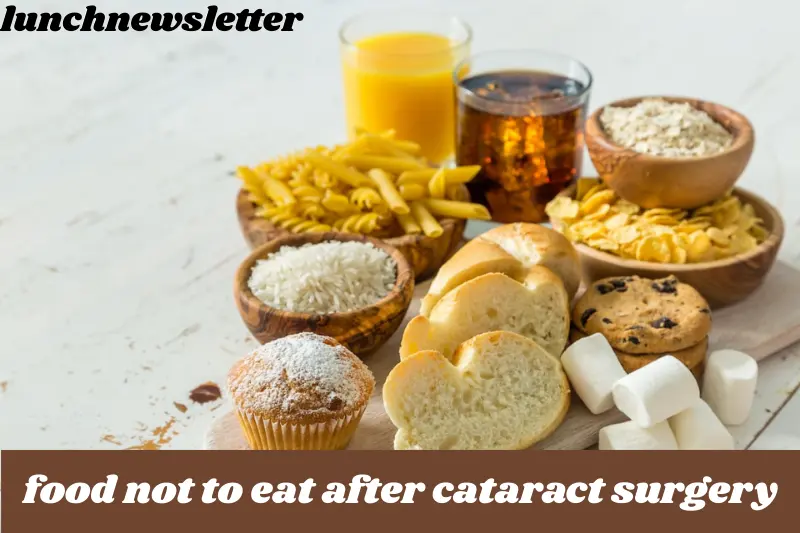
Choosing the right foods after cataract surgery is essential for proper healing. Certain items can increase inflammation, interfere with medications, or slow down recovery. Avoiding these foods will help protect your eyes and promote faster healing.
spicy and oily foods
- Fried foods, heavily spiced meals, and greasy snacks can cause inflammation and irritation.
- These foods may also lead to digestive discomfort, which can indirectly affect your overall recovery.
sugary foods and desserts
- Excessive sugar can slow the healing process and affect blood sugar levels.
- Cakes, pastries, and sugary drinks should be avoided in the early recovery period.
processed and junk foods
- Packaged snacks, instant noodles, and fast food are low in essential nutrients and may delay tissue repair.
- These foods often contain high sodium, unhealthy fats, and preservatives that are not beneficial during recovery.
excessive salt
- High salt intake can impact eye pressure and lead to swelling.
- Reduce added salt in meals and avoid salty snacks like chips or salted nuts.
alcohol
- Alcohol can interfere with medications and slow down healing.
- Avoid drinking for at least the first week after surgery or until cleared by your doctor.
caffeine (coffee, energy drinks)
- Excessive caffeine can affect blood pressure and eye pressure.
- Moderate intake may be safe, but it’s best to consult your doctor about limits.
By steering clear of these foods, you’ll reduce the risk of complications and create the best environment for your eyes to heal.
can i drink coffee after cataract surgery?
Many patients wonder whether coffee is safe after cataract surgery. While moderate consumption is generally acceptable for healthy adults, caffeine can affect blood pressure and eye pressure, which may impact recovery in some cases.
key points to consider
- Moderation is important: Limit yourself to one cup of coffee per day unless your doctor advises otherwise.
- Avoid very hot coffee: Extremely hot beverages can cause discomfort or irritation to sensitive eyes.
- Monitor for side effects: If you notice increased eye pressure, headaches, or discomfort, it’s best to skip caffeine until fully healed.
- Consult your doctor: Everyone’s recovery is unique. Ask your ophthalmologist for personalized guidance regarding coffee or caffeinated beverages.
By being mindful of caffeine intake and drinking coffee in moderation, you can enjoy it without compromising your cataract surgery recovery.
what to eat after cataract surgery (safe options)

While avoiding harmful foods is important, including nutrient-rich, safe options in your diet is equally crucial for promoting faster healing and maintaining eye health.
soft, easy-to-digest meals
- Mashed vegetables like carrots, pumpkin, and sweet potatoes
- Soft fruits such as bananas, applesauce, and ripe papaya
- Smooth soups and broths
anti-inflammatory foods
- Leafy greens like spinach and kale
- Berries rich in antioxidants
- Fatty fish such as salmon and mackerel (if tolerated and easy to chew)
protein sources for tissue repair
- Scrambled or soft-boiled eggs
- Tofu, lentils, and soft beans
- Yogurt and cottage cheese
hydration and gentle beverages
- Water, coconut water, or herbal teas
- Avoid sugary drinks and carbonated beverages in the early recovery period
eye-healthy vitamins and minerals
- Vitamin A: carrots, pumpkin, and leafy greens
- Vitamin C: citrus fruits, berries, and papaya
- Vitamin E: nuts, seeds, and leafy vegetables (in moderation)
- Omega-3 fatty acids: fatty fish or flaxseed powder (if easy to consume)
By combining these foods into your daily meals, you’ll provide your body with essential nutrients to support tissue repair, reduce inflammation, and improve overall eye health during recovery.
safe diet after cataract operation – sample meal ideas
Planning your meals after cataract surgery can make recovery smoother and ensure you get the nutrients needed for faster healing. Here’s a simple guide for safe, eye-friendly meals:
breakfast
- Mashed banana or applesauce with yogurt
- Oatmeal or cream of wheat topped with soft fruits
- Soft scrambled eggs
lunch
- Pureed vegetable soup (carrot, pumpkin, or spinach)
- Soft lentil or bean puree
- Steamed fish or soft tofu (if tolerated)
dinner
- Mashed sweet potatoes or pumpkin
- Well-cooked soft rice or porridge
- Blended or soft vegetable dishes
snacks
- Smoothies with yogurt and soft fruits
- Custard or pudding
- Herbal teas and water to stay hydrated
By sticking to these gentle, nutrient-rich meals, you support your eyes’ healing process and minimize the risk of irritation or complications. Gradually, as your recovery progresses, you can reintroduce more solid foods while continuing to avoid harmful options.
foods that promote faster recovery
Including specific healing foods in your diet can support tissue repair, reduce inflammation, and enhance overall eye health after cataract surgery. Focusing on nutrient-rich options ensures your body has what it needs for a smooth recovery.
antioxidant-rich fruits and vegetables
- Berries: Blueberries, strawberries, and raspberries help fight oxidative stress.
- Leafy greens: Spinach, kale, and broccoli provide vitamins A, C, and E for eye health.
- Carrots and sweet potatoes: High in beta-carotene, supporting tissue repair and vision.
protein sources
- Eggs: Soft-boiled or scrambled eggs provide essential amino acids for tissue healing.
- Lentils and beans: Easy-to-digest plant proteins that aid recovery.
- Soft fish or tofu: Provides omega-3 fatty acids and protein without stressing the jaw.
healthy fats
- Flaxseed or chia seeds (ground): Contain omega-3s that reduce inflammation.
- Avocado: Soft and rich in healthy fats, supporting cell repair.
- Nuts (if soft or ground): In moderation, they provide vitamin E for tissue protection.
hydration and fluids
- Water, herbal teas, and coconut water keep tissues hydrated and help flush out toxins.
- Avoid sugary drinks and caffeine in excess, as they may affect healing.
By incorporating these foods into your daily diet, you’ll give your eyes the nutrients they need to heal faster and reduce the risk of complications.
post-cataract surgery nutrition tips
Maintaining a proper diet after cataract surgery is key to ensuring a smooth recovery and supporting long-term eye health. Along with avoiding harmful foods and including healing options, the following nutrition tips can make a significant difference.
eat smaller, nutrient-dense meals
- Smaller meals reduce strain on digestion and allow your body to absorb nutrients more effectively.
- Include a balance of protein, vitamins, and minerals in each meal.
avoid very hot or spicy foods
- Spicy foods may irritate your eyes indirectly through inflammation.
- Very hot foods and drinks can also cause discomfort during the early recovery period.
maintain hydration
- Drinking adequate water and herbal teas keeps tissues moist and supports overall healing.
- Coconut water or diluted fruit juices can be included in moderation for extra electrolytes.
include eye-healthy supplements if recommended
- Vitamins A, C, E, and omega-3 fatty acids can support recovery.
- Only take supplements as advised by your ophthalmologist.
plan meals in advance
- Having soft, nutrient-rich meals ready prevents accidental consumption of harmful foods.
- Smoothies, mashed vegetables, and blended soups are convenient options.
By following these nutrition tips, you’ll optimize healing, reduce inflammation, and support the overall health of your eyes after cataract surgery.
timeline for reintroducing foods after cataract surgery
Recovering from cataract surgery requires a gradual approach to eating, ensuring your eyes heal without irritation or unnecessary strain. Introducing foods too quickly can increase inflammation, affect healing, or cause discomfort, while a carefully planned timeline helps your body recover efficiently.
liquids and very soft foods
During the first 24 hours, focus only on liquids and extremely soft foods. Safe options include:
- Clear broths (vegetable, chicken, or bone broth)
- Yogurt without fruit chunks
- Smoothies made with soft fruits and dairy or plant-based milk
These foods are gentle on your digestive system and provide hydration and essential nutrients without stressing your body.
mashed and pureed foods
Once initial healing has started, you can add slightly thicker, soft meals that are easy to swallow and digest. Examples include:
- Mashed potatoes or sweet potatoes
- Soft oatmeal or cream of wheat
- Pureed vegetable soups like carrot, pumpkin, or spinach
This stage provides more calories and nutrients while still being gentle on your system.
onward: soft, easy-to-chew meals
By the fourth day, you may begin to reintroduce soft, chewable foods such as:
- Well-cooked rice or pasta
- Steamed or boiled vegetables that can be mashed with a fork
- Soft proteins like scrambled eggs or tender fish
Always chew slowly and avoid hard, crunchy, or sticky foods to prevent irritation.
returning to a normal diet
Most patients can safely resume regular meals after 1–2 weeks, depending on the complexity of the surgery and individual healing rates. Always follow your doctor’s guidance when transitioning to solid foods to ensure a smooth recovery.
common mistakes people make after cataract surgery
Even small dietary or lifestyle missteps can slow down recovery or increase the risk of complications after cataract surgery. Being aware of these common mistakes helps ensure your eyes heal efficiently and comfortably.
using straws or sucking on drinks
- The suction created by straws can temporarily affect blood pressure and may increase strain on the eyes.
- Opt for sipping directly from a cup instead, and take small, gentle sips.
eating crunchy, oily, or processed foods too soon
- Chips, fried snacks, fast food, and processed meals are hard to digest and can increase inflammation.
- Avoid these foods during the first 1–2 weeks after surgery.
excessive caffeine or alcohol consumption
- High caffeine intake can temporarily raise blood pressure, potentially affecting eye healing.
- Alcohol can interfere with medications, reduce immune function, and slow tissue repair.
- Moderation or temporary avoidance is recommended.
neglecting hydration
- Proper hydration is essential for tissue repair and maintaining eye comfort.
- Drink plenty of water and include herbal teas or coconut water to stay hydrated.
ignoring doctor’s dietary or supplement recommendations
- Some patients skip prescribed supplements or fail to follow diet guidelines, which can delay recovery.
- Always follow your ophthalmologist’s instructions for nutrition, vitamins, and eye care.
By avoiding these mistakes, you’ll minimize discomfort, protect your eyes, and support faster, safer healing after cataract surgery.
long-term eye health tips after surgery
Proper nutrition and lifestyle choices don’t just help during the immediate recovery period—they also support long-term eye health and reduce the risk of future complications. Incorporating the right foods and habits can help maintain clear vision and overall eye function.
include antioxidants regularly
Foods rich in antioxidants combat oxidative stress and support eye health. Examples include:
- Berries (blueberries, strawberries)
- Citrus fruits
- Spinach, kale, and broccoli
maintain adequate protein intake
Protein is essential for tissue repair and overall recovery. Soft, easy-to-digest options include:
- Eggs
- Lentils
- Soft fish
- Tofu
- Yogurt
limit processed foods and sugar
Excess sugar and highly processed foods can increase inflammation and oxidative stress. Focus on whole, natural foods for long-term benefits.
stay hydrated
Drinking plenty of water and herbal teas helps maintain eye moisture and overall body hydration. Adequate fluid intake also supports nutrient delivery to eye tissues.
regular check-ups
Continue regular visits to your ophthalmologist to monitor eye health and detect any issues early. Pairing a balanced diet with professional care ensures optimal long-term results.
By combining a nutrient-rich diet with healthy lifestyle choices, you’ll protect your eyes and enhance vision health well beyond the recovery period
FAQs
what food to avoid after eye surgery?
Avoid spicy, oily, and processed foods, excessive sugar, alcohol, and very hot beverages. These can slow healing, increase inflammation, and affect recovery.
can i drink coffee after cataract surgery?
Moderate coffee intake is generally safe, but excessive caffeine can temporarily raise blood pressure and eye pressure. Consult your doctor for personalized guidance.
what can you eat after cataract surgery?
Focus on soft, nutrient-rich foods such as mashed vegetables, oatmeal, scrambled eggs, yogurt, smoothies, and soft fish. Hydrating fluids like water and herbal teas are also important.
when can i return to a normal diet after surgery?
Most patients can gradually reintroduce regular meals after 1–2 weeks, depending on healing progress and your doctor’s recommendations.
are there foods that promote faster recovery?
Yes. Antioxidant-rich fruits and vegetables, protein sources like eggs and lentils, omega-3-rich foods, and hydrated fluids all support healing and eye health.
conclusion
Diet plays a crucial role in recovery after cataract surgery. Avoiding harmful foods—such as spicy, oily, processed, sugary items, alcohol, and excessive caffeine—helps reduce inflammation and supports proper healing. At the same time, including nutrient-rich, soft, and easily digestible foods like mashed vegetables, eggs, lentils, yogurt, smoothies, and hydration-focused beverages ensures your body receives the vitamins, protein, and antioxidants it needs for faster recovery and long-term eye health.
Following a structured approach to reintroducing foods, staying hydrated, and maintaining regular check-ups with your ophthalmologist will provide the best environment for healing. By combining these dietary strategies with proper care, you’ll not only recover smoothly but also promote sustained vision health for years to come.
