
India and the growing pressure of the climate crisis
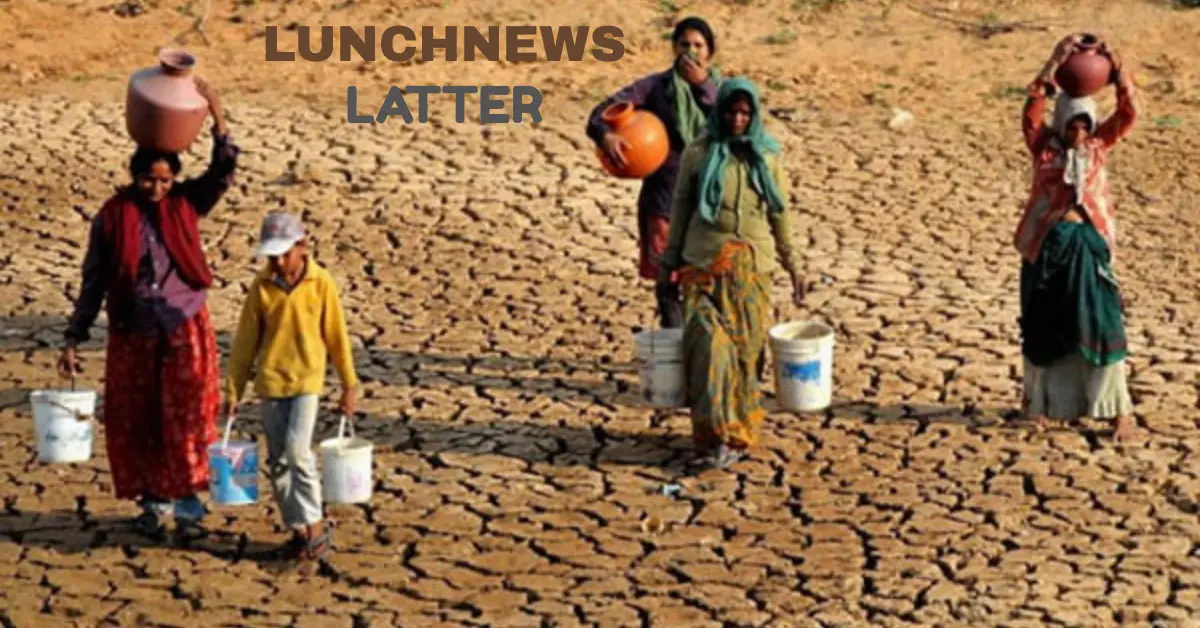
India is one of the countries most affected by the effects of climate change due to its natural diversity agriculture and large population As global temperatures rise glaciers melt and sea levels increase the impacts are becoming more profound According to recent climate change news India these effects are visible not only on the environmental level but also across economic and social dimensions from declining crop yields to displaced coastal communities and rising health concerns..
According to recent IPCC reports temperatures in India are rising faster than the global average Extreme weather events like intense heat waves unpredictable rainfall and floods are now becoming the norm The impact of these changes can be clearly seen on agriculture water resources health and the country s economy
Changing monsoon patterns in India
India s life depends on the monsoons but they re not what they used to be Changing monsoon patterns have created problems for farmers Sometimes the rains come early sometimes they don t come at all According to research there has been a severe imbalance in the distribution of rainfall in many parts of India over the past 50 years Rainfall has decreased in southern India while sudden torrential rains have caused widespread damage in northern regions
Both droughts and floods are now becoming more common In 2022 floods in areas like Bihar and Assam displaced millions of people while drought in Maharashtra affected farmlands.
(Suggested table Comparison of average monsoon rainfall figures over the past 30 years)
Increase in extreme weather events: A growing threat to India
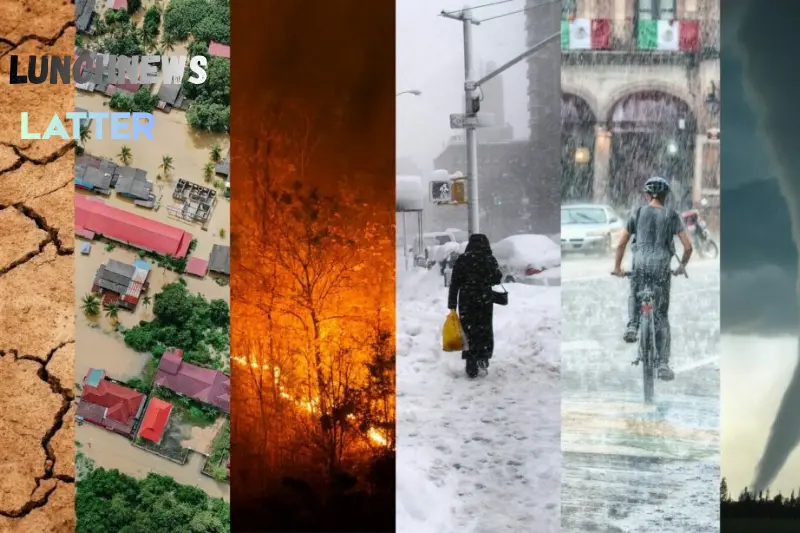
Extreme weather events in India such as heatwaves cyclones and unpredictable rainfall are now occurring with greater intensity The 2018 Kerala floods are a clear example leaving thousands homeless and causing billions of rupees in damage Heatwaves in areas like Delhi Rajasthan and Uttar Pradesh are now claiming dozens of lives every year
Experts say that rising carbon emissions and air pollution have thrown the climate system out of balance Pollution from industries and traffic traps heat in the atmosphere causing temperatures to rise further
Major weather disasters in India from 2010 to 2025
- Kerala floods (2018)
- Delhi heatwave (2022)
- Cyclone Fani in Odisha (2019)
- Assam floods (2020)
- Gujarat drought (2016)
India s journey towards renewable energy
India has shown the world that it is possible to protect the environment along with development India is now among the top countries in the world in the race for renewable energy
The government has set a target of generating 500 gigawatts of energy from renewable sources by 2030.
The International Solar Alliance in the field of solar energy is gaining popularity worldwide under the leadership of India.
- Wind power generation projects are progressing rapidly in Tamil Nadu Gujarat and Rajasthan.
- All these are important steps towards Green Energy Transition and Sustainable Development
Table suggestion: Renewable energy vs fossil fuel generated electricity in India recent figures)
Indian Policies and Global Commitments: The Direction of Climate Action
India has played a significant role globally in the fight against climate change Under the Paris Agreement Commitments India has pledged to achieve net zero carbon emissions by 2070
At the COP Summit India India announced several new initiatives strengthening its goals
- 50% renewable energy
- Increase forest cover
- Tighten environmental regulations in industries
(Shortlisted as Featured Snippet: India s key climate policies)
- National Action Plan on Climate Change
- International Solar Alliance
- National Clean Energy Mission
- Net Zero Policy 2070
Environmental challenges: deforestation urban sprawl and pollution
Increasing deforestation and rapid urban development in India have increased the amount of carbon in the atmosphere.
Although the government is working on reforestation (Reforestation in India), rapid expansion in urban areas has disrupted the natural balance
Air pollution not only affects health but also the weather New Delhi is among the most polluted cities in the world
Initiatives like the National Clean Air Program (NCAP) have brought some improvement but much work remains to be done.
Chart Suggestion: Change in forest area in India from 2000 to 2025
Human and economic impacts the cost of climate change
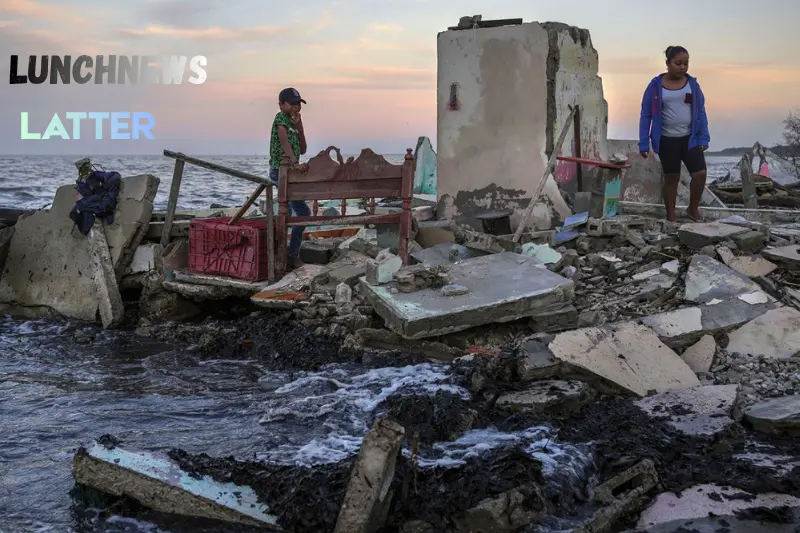
Climate change has the greatest impact on ordinary people.
Farmers laborers and low-income groups are its direct targets
Droughts destroy crops floods wash away homes and heat exacerbates health problems
According to a report India lost more than $10 billion due to climate disasters in 2023 alone These figures show that without sustainable development the country s economy could be at risk
The way forward: climate awareness and strong actions
Climate awareness is now growing rapidly in India
The young generation NGOs and local communities are joining various climate action programs.
Education technology and local initiatives have created hope
New projects presented at the COP Summit India show that India wants to be part of the solution not just a victim
Featured Snippet Opportunity
What steps should India take to build climate resilience?
Answer
- Promoting renewable energy
- Tighter pollution regulations
- Increasing forest cover
- Public awareness campaigns
- Investing in modern climate technology
Recent weather news and important developments
- Clean Breath Mission launched in New Delhi to combat severe pollution in early 2025
- IPCC report classifies India as a high risk zone for rising temperatures
- Gujarat completes new phase of solar park project
All these steps show that India is rapidly preparing to face the climate crisis but the road is still long.
A New Era of Action Awareness and Hope
Despite these steps experts say that if India is to truly overcome the climate crisis policies alone will not be enough practical implementation public engagement and resilient planning at the local level are essential Despite these steps experts say that if India is to truly overcome the climate crisis policies alone will not be enough practical implementation public engagement and resilient planning at the local level are essential
Environmental awareness is still lacking in many parts of India People in rural areas are still unaware of the extent to which climate change is affecting their daily lives Water shortages crop failures or unpredictable rainfall all of these are taking a toll on their economic well being as well as their quality of life That s why experts suggest that the government should focus not only on large scale projects but also on village and district level climate action programs Strengthening local communities training farmers on new crops adapted to climate change and involving youth in environmentally friendly technologies These are the paths that can lead India towards a sustainable future
On the other hand businesses are also starting to feel responsible Large companies are taking steps to reduce the carbon footprint of their production. Some cities have started green building projects where environmentally friendly materials are being used in construction
But the most important role is played by ordinary citizens If people make small changes in their daily lives like reducing unnecessary electricity use not wasting water and switching to eco friendly products instead of plastic collectively they can make a big difference
Experts are calling 2025 a decisive year as India now has the opportunity to either continue with the old pattern of development and increase the risks or to step into a new direction and protect itself from the climate crisis
It is time for India to learn from its past experiences and accelerate practical steps so that future generations can breathe in a safe green and sustainable India
FAQs
What is the biggest cause of climate change in India?
The main causes of climate change in India include rapid industrial development deforestation excessive use of fossil fuels and carbon emissions from vehicles These factors are causing temperature increases and climatic imbalances
How is climate change affecting Indian farmers?
Unpredictable rains droughts and heatwaves have reduced crop yields Farmers now need to adapt crop selection and water management to the new climate conditions.
What steps is the Indian government taking against climate change?
India has taken steps like promoting renewable energy solar projects and green energy under the National Action Plan on Climate Change In addition the “Clean Breath Mission and carbon emission reduction projects are also underway
Is India implementing the Paris Agreement?
Yes India has pledged to achieve the goal of net zero carbon emissions by 2070 under the Paris Agreement Progress is being made in this direction through renewable energy projects and electric vehicle policies
Which areas in India face the most climate risks?
Coastal states such as Odisha Kerala and West Bengal are more affected by sea level rise and cyclones while drought risks are increasing in Rajasthan and Madhya Pradesh.
Conclusion
Tackling climate change is not the responsibility of the government alone its a collective duty shared by every Indian citizen Each of us must make choices that protect the planet: conserving electricity avoiding plastic planting trees and supporting sustainable practices in daily life.
India now stands at a decisive crossroads the choice between continuing traditional growth or leading the world toward green development With the right balance of policy technology business responsibility and public participation India can become a global example of effective climate action.
Experts agree that the next decade will determine our environmental future The foundations we build today will define whether future generations inherit a safe green and thriving nation. By accelerating renewable energy efforts encouraging eco-friendly industries and strengthening both rural and urban resilience India can transform this challenge into an opportunity
