
Introduction
As the climate crisis accelerates, the global spotlight is increasingly focused on carbon emissions and the urgent need to reduce them. Nations around the world are being held accountable for their environmental impact, and emissions data has become a key indicator of progress—or lack thereof. In this context, the lowest carbon emission countries 2025 ranking offers a timely and revealing snapshot of who is truly leading the fight against climate change.
This updated list provides insights into how different nations are performing in terms of CO2 emissions, both in total output and per capita. With global carbon emissions continuing to climb in many regions, understanding which countries are managing to keep their footprint low is more critical than ever.
What Are Carbon Emissions and Why Do They Matter?
Carbon emissions, primarily in the form of carbon dioxide (CO2), are released through activities like burning fossil fuels, industrial processes, deforestation, and large-scale agriculture. These emissions trap heat in the Earth’s atmosphere, leading to global warming and widespread environmental disruption—from rising sea levels to more frequent extreme weather events.
The majority of global greenhouse gas emissions come from a relatively small group of countries, making national accountability essential. Tracking global CO2 emissions not only highlights the biggest contributors but also brings attention to countries that have successfully minimized their environmental impact.
Understanding carbon emissions by country is essential to identifying solutions, setting fair climate policies, and encouraging cooperation between high and low emitters.
Global CO₂ Emissions by Country: A Quick Overview
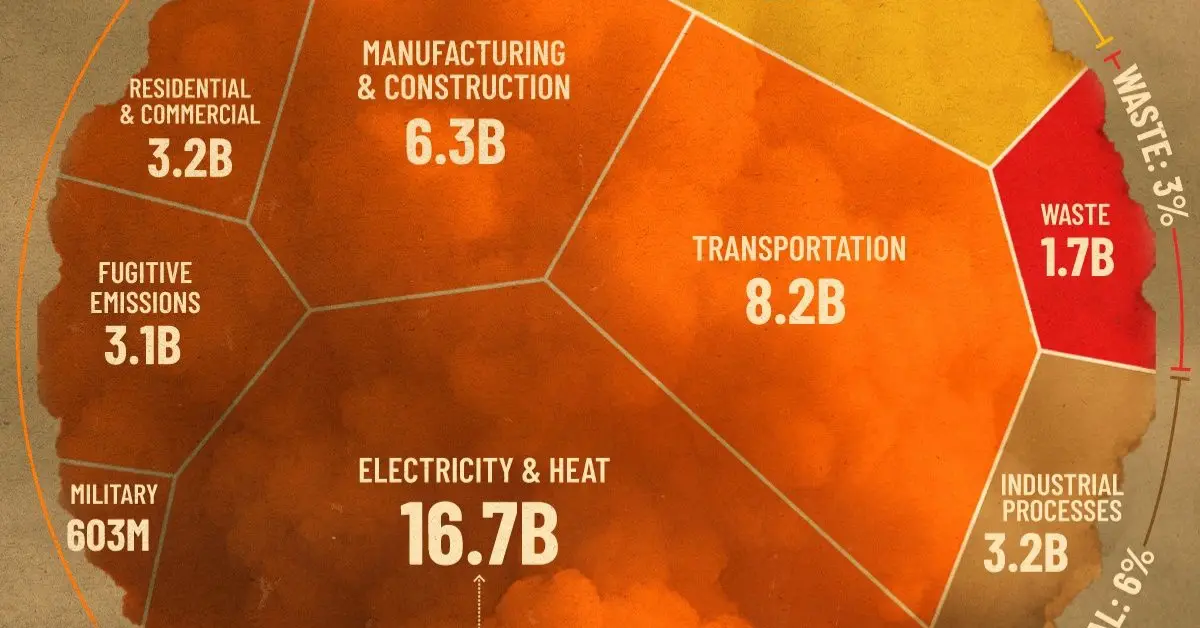
Global CO₂ emissions remain heavily imbalanced, with a handful of countries responsible for the majority of pollution. According to recent data, nations like China, the United States, India, and Russia consistently top the list of the highest emitters, both in total output and industrial contribution. Meanwhile, smaller or developing nations often produce only a fraction of the global total.
Top 5 CO₂ Emitting Countries (Most Recent Data)
Top 5 CO₂ Emitting Countries (Most Recent Data)
| Rank | Country | Total CO₂ Emissions (Mt) | % of Global Emissions |
|---|---|---|---|
| 1 | China | ~11,700 Mt | ~29% |
| 2 | United States | ~5,000 Mt | ~12.5% |
| 3 | India | ~2,900 Mt | ~7% |
| 4 | Russia | ~1,700 Mt | ~4% |
| 5 | Japan | ~1,100 Mt | ~2.7% |
Data based on latest global emissions estimates available for 2024.
In contrast, many low-emission countries contribute less than 0.01% of global emissions annually. These nations are often overlooked in climate discussions but can serve as powerful models for sustainable development and environmental responsibility.
By examining carbon emissions by country, we can better understand the geopolitical landscape of climate change—and why low emitters deserve more recognition.
Let me know if you want to:
- Add a map or infographic idea
- Include per capita emissions next
- Move on to the 2025 Ranking: Lowest Carbon Emission Countries section
The 2025 Ranking: Lowest Carbon Emission Countries
In 2025, several countries have emerged as global leaders in keeping their carbon emissions to a minimum. These nations either benefit from low population density, minimal industrial activity, or have taken meaningful steps toward renewable energy, conservation, and sustainable practices.
At the top of the list is Bhutan, which remains a rare example of a carbon-negative country. Through policies focused on forest preservation, clean energy, and regulated tourism, Bhutan emits less carbon than it absorbs. Following closely are small island nations like Tuvalu, Comoros, Solomon Islands, and Sao Tome & Principe, where total emissions remain extremely low due to limited infrastructure and a strong dependence on local, low-emission economies.
Other countries in the top ten include Vanuatu, Samoa, Kiribati, Maldives, and the Central African Republic. While their emissions per capita are slightly higher than those at the very top of the list, their total output remains among the lowest globally.
These nations are often overlooked in global climate discussions, yet they serve as important examples of how lower-impact lifestyles and sustainable policy frameworks can contribute meaningfully to the global reduction of CO₂ emissions.
Despite their minimal contribution to climate change, many of these countries are also the most vulnerable to its effects, particularly rising sea levels and extreme weather. Their efforts to maintain low emissions underline the importance of fairness and equity in international climate negotiations.
Why These Countries Have the Lowest Carbon Footprints
The countries with the lowest carbon emissions in 2025 share several common characteristics that help explain their minimal environmental impact. While their specific circumstances vary, a few key factors consistently contribute to their low carbon footprints.
Low Population and Limited Industrialization
Most of these countries have relatively small populations and limited heavy industry. This naturally leads to lower energy demand and reduced emissions from transportation, manufacturing, and power generation. For example, island nations like Tuvalu and Samoa lack large-scale industrial sectors, keeping overall emissions very low.
Reliance on Renewable Energy
Several low-emission countries have embraced renewable energy sources such as hydropower, wind, and solar. Bhutan, for instance, generates the majority of its electricity from hydropower, which significantly reduces its dependence on fossil fuels.
Strong Environmental Policies
Some governments have implemented strict policies aimed at conservation, sustainability, and carbon neutrality. Bhutan stands out here, maintaining constitutional protections for its forests and committing to remain carbon negative.
Geographic and Economic Factors
Geographic isolation and limited economic development also play a role. In many of these nations, local economies depend on subsistence agriculture, small-scale trade, and low-consumption lifestyles, all of which result in fewer emissions.
Cultural Values and Traditional Practices
In some countries, cultural traditions promote harmony with nature and discourage waste. This mindset supports sustainable living and helps keep emissions low even without formal environmental regulations.
Despite contributing the least to global emissions, many of these countries are already facing the harshest consequences of climate change. Their resilience and leadership serve as a reminder that low-carbon living is not only possible, but essential for long-term planetary health.
You Might Also Enjoy Reading
Dow Futures Live: Premarket Updates & Market Futures
Global Political News Digest: Key Updates This Week
Global Economy News You Need to Know
Indian Budget Highlights 2025 Explained Simply
Weekly Intl Security Brief: Top News & Analysis
UN Climate Conference COP29 Highlights 2024
How Does Your Country Compare?
Understanding how your country measures up in terms of carbon emissions is an important step toward environmental awareness and action. While global rankings often highlight the highest and lowest emitters, many countries fall somewhere in between—making individual and national responsibility even more important.
High-emission countries like China, the United States, and India contribute a significant share of global CO₂ output. Their large populations, industrial infrastructure, and reliance on fossil fuels drive much of the planet’s total emissions. On the other hand, many smaller nations with minimal economic and industrial activity contribute very little, yet they often bear the brunt of climate change impacts.
You can explore your country’s CO₂ profile by looking at two key metrics:
- Total Emissions: The overall amount of carbon dioxide released within the country.
- Per Capita Emissions: The average emissions per person, which often reveals more about consumption patterns and lifestyle.
For example, while China leads in total emissions, its per capita output is lower than that of many Western nations. Meanwhile, countries like the United States and Australia have some of the highest per capita emissions due to energy-intensive lifestyles and heavy fossil fuel use.
Publicly available data from organizations such as the International Energy Agency (IEA) and Our World in Data allows you to compare your country’s emissions over time and relative to others.
By understanding where your country stands, you can better grasp the scale of change needed and the role your region plays in global climate efforts. Whether your country is among the lowest or highest emitters, every nation has a part to play in reducing global CO₂ emissions and transitioning to a more sustainable future.
What Can Be Learned from Low Emission Countries?
The countries with the lowest carbon emissions in 2025 offer valuable lessons for the rest of the world. While their circumstances may differ from larger or more industrialized nations, their strategies and habits highlight practical, scalable solutions that can help reduce global emissions.
Prioritizing Renewable Energy
Several low-emission countries rely heavily on clean energy sources like hydropower, solar, or wind. Investing in renewables not only reduces carbon output but also strengthens energy independence. Bhutan, for example, has built its economy around sustainable hydropower exports without compromising its environmental goals.
Protecting Natural Ecosystems
Forests, wetlands, and natural landscapes play a vital role in absorbing CO₂. Many low-emission nations have preserved significant portions of their ecosystems through conservation laws and reforestation efforts. These actions support biodiversity and act as natural carbon sinks.
Encouraging Low-Impact Lifestyles

Cultural habits in many of these countries align with sustainability—such as consuming locally grown food, using low-emission transportation, and avoiding overconsumption. These practices reduce emissions at the individual level and build long-term resilience.
Building Policy Around Sustainability
Countries like Bhutan have embedded sustainability into their national policies, even measuring success with alternatives to GDP, such as Gross National Happiness. These frameworks prove that it’s possible to balance development with ecological responsibility.
Adapting to Climate Threats Early
Despite contributing the least to the problem, many low-emission countries are already dealing with rising sea levels, extreme weather, and resource scarcity. Their proactive adaptation strategies—like building climate-resilient infrastructure or relocating vulnerable communities—offer important examples for the rest of the world.
These lessons are especially relevant for higher-emission nations. While the economic and industrial realities may differ, the core principles—efficiency, conservation, clean energy, and long-term planning—can be applied universally.
Frequently Asked Questions (FAQs)
Which country has the lowest carbon emissions in 2025?
As of 2025, Bhutan remains the country with the lowest carbon emissions. It is one of the few nations that are carbon negative, meaning it absorbs more CO₂ than it emits through extensive forest cover and clean energy policies.
What are the main factors that contribute to low carbon emissions in a country?
Low carbon emissions are typically the result of small population size, limited industrial activity, use of renewable energy, strong environmental policies, and conservation of natural resources such as forests.
Are low carbon emission countries also economically underdeveloped?
Not necessarily. While some low-emission countries have smaller economies, others like Bhutan or the Maldives are investing in sustainable development models. Economic progress doesn’t always require high emissions, especially with clean technologies available.
Why are small island nations often among the lowest carbon emitters?
Island nations like Tuvalu, Samoa, and Kiribati have small populations and limited industrial output. Their economies are often based on agriculture, tourism, and fishing, resulting in very low fossil fuel usage.
How can high-emission countries reduce their carbon footprint?
High-emission countries can reduce their footprint by transitioning to renewable energy, improving energy efficiency, reducing reliance on fossil fuels, investing in public transportation, and enforcing policies that support sustainable development.
Where can I check my country’s carbon emissions ranking?
You can find updated emissions data on platforms like the International Energy Agency (IEA), Our World in Data, and the United Nations Framework Convention on Climate Change (UNFCCC). These platforms offer both total and per capita CO₂ statistics.
What is the difference between total CO₂ emissions and per capita emissions?
Total CO₂ emissions refer to the total amount a country emits, while per capita emissions divide that total by the country’s population. This helps compare emissions more fairly across nations of different sizes.
Are low-emission countries safe from climate change impacts?
No. Ironically, many of the countries with the lowest emissions are among the most vulnerable to climate change. Small island nations, in particular, face threats from sea level rise, despite contributing the least to the problem.
Conclusion
The 2025 ranking of the lowest carbon emission countries provides valuable insight into which nations are truly minimizing their impact on the environment. While the global conversation often focuses on the largest emitters, it’s equally important to recognize the countries that are leading by example—through sustainable policies, clean energy use, and low-impact lifestyles.
From Bhutan’s carbon-negative leadership to the consistent efforts of small island nations and developing economies, these countries prove that low emissions are achievable with the right approach. Their efforts not only benefit their own environments but also contribute to the broader fight against climate change.
As the world faces growing environmental challenges, these rankings offer both a benchmark and a source of inspiration. Whether through policy change, innovation, or cultural shifts, there is much to learn from the nations that are already doing more with less.
Understanding global carbon emissions by country—and how your own nation compares—is a crucial step toward collective climate responsibility. Now more than ever, recognizing and supporting low-emission efforts around the world is essential to building a sustainable future.
You Might Also Enjoy Reading
Dow Futures Live: Premarket Updates & Market Futures
Global Political News Digest: Key Updates This Week
Global Economy News You Need to Know
Indian Budget Highlights 2025 Explained Simply
