
Introduction
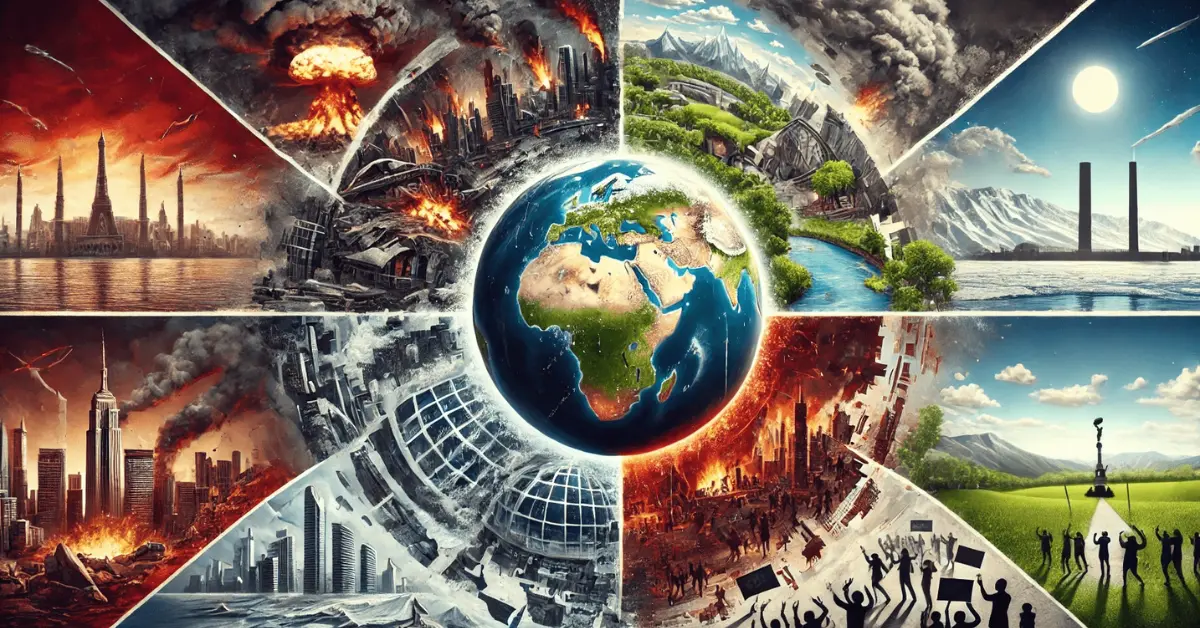
Welcome to this week’s Global Political News Digest, your go-to source for a concise, insightful roundup of the most critical developments in world politics. As global tensions continue to evolve, our digest covers everything from diplomatic shifts to conflicts shaping international relations.
In this edition, we spotlight the intensifying dynamics between Iran and the Taliban, the latest on Donald Trump’s controversial stance on Gaza, and ongoing unrest in Myanmar as the military regime tightens its grip. We’ll also touch on economic-political intersections, like Australia’s copper market influence, and highlight expert voices in foreign policy.
Whether you’re a policy analyst, journalist, or simply a global news enthusiast, this digest delivers the context and clarity you need. Let’s dive into the stories making headlines — and shaping tomorrow’s geopolitics.
G20 Summit Recap & the Impact on World Politics
The recent G20 Summit has once again proven to be a focal point for shaping the future of global cooperation. Leaders from the world’s largest economies gathered to address pressing issues — from climate change and digital infrastructure to economic inequality and geopolitical conflict. But beyond the policy discussions, the G20 also played out on the global stage as a platform for soft power and political signaling.
In cultural commentary, the release of the “G20 movie” — a dramatized depiction of global leadership behind closed doors — has sparked fresh public interest in international diplomacy. While fictionalized, it highlights real tensions and alliances that were on full display at the summit.
Analysts from sources like World Politics Review have noted the increasing fragmentation among member states, with clear divides over issues like sanctions, war funding, and trade. As the global order becomes more multipolar, G20 outcomes carry heightened significance.
Middle East Tensions: Iran, Israel, Gaza & Taliban Relations
Tensions in the Middle East continue to dominate global headlines, with multiple flashpoints escalating in recent weeks.
The Iran-Israel conflict has intensified, with both nations trading accusations over cyberattacks, proxy militia involvement, and airstrikes across the region. Experts warn that without international mediation, the situation could spiral into broader regional warfare.
At the same time, Iran’s uneasy relationship with the Taliban is drawing attention. While Tehran initially welcomed a post-U.S. Afghanistan under Taliban rule, recent border skirmishes and water disputes have reignited hostilities. Diplomatic channels remain strained, with both sides accusing the other of violating previous agreements.
Meanwhile, Donald Trump’s comments on the Gaza conflict have reignited domestic and international controversy. His remarks blaming current leadership for instability in the region have polarized U.S. voters and complicated the GOP’s foreign policy messaging ahead of the next election cycle.
The Middle East remains a powder keg — and global powers are watching closely.
Global Economy Meets Politics: Copper and Commodities in Focus
In an increasingly interconnected world, politics and commodities are more entangled than ever — and copper is right at the center of that intersection. Recent political shifts, trade tensions, and resource diplomacy have made copper news in Australia especially relevant, as the country plays a key role in global copper exports.
Australia’s resource sector, heavily influenced by international demand and foreign policy decisions, has been navigating complex relationships with China, the U.S., and neighboring Indo-Pacific nations. Copper, vital for electric vehicles and clean energy technologies, has become a geopolitical asset — one that’s now being shaped by sanctions, export controls, and regional alliances.
As governments push for energy transitions while managing diplomatic tensions, the politics of copper is becoming a bellwether for broader global economic strategies. Expect this trend to accelerate as climate goals, military investments, and digital infrastructure plans ramp up worldwide.
Expert Voices in Foreign Policy: Influencers Shaping the Narrative
In a world overwhelmed by political noise, a few influential voices continue to shape the way global events are interpreted and understood. Among them is Frida Ghitis, a respected journalist and global affairs analyst whose commentary regularly cuts through the noise with clarity and depth. Her recent analysis on authoritarian resurgence and democratic backsliding has gained traction among policy circles and mainstream audiences alike.
Another figure making waves is Steve Witkoff, a real estate developer with growing influence in political and financial commentary. Though not traditionally associated with foreign policy, his recent involvement in international investment and political advocacy has caught the attention of global observers — especially as business interests increasingly intersect with geopolitical agendas.
Together, voices like Ghitis and Witkoff reflect the expanding range of commentators shaping today’s foreign policy debates, beyond just diplomats and think tanks. Their insights are part of a broader trend: foreign policy is no longer confined to government rooms — it’s playing out across media, business, and public discourse.
You Might Also Enjoy Reading
Dow Futures Live: Premarket Updates & Market Futures
Lowest Carbon Emission Countries 2025 Ranking Revealed
Global Economy News You Need to Know
Indian Budget Highlights 2025 Explained Simply
Weekly Intl Security Brief: Top News & Analysis
UN Climate Conference COP29 Highlights 2024
Weekly Foreign Policy Pulse: What to Watch Next
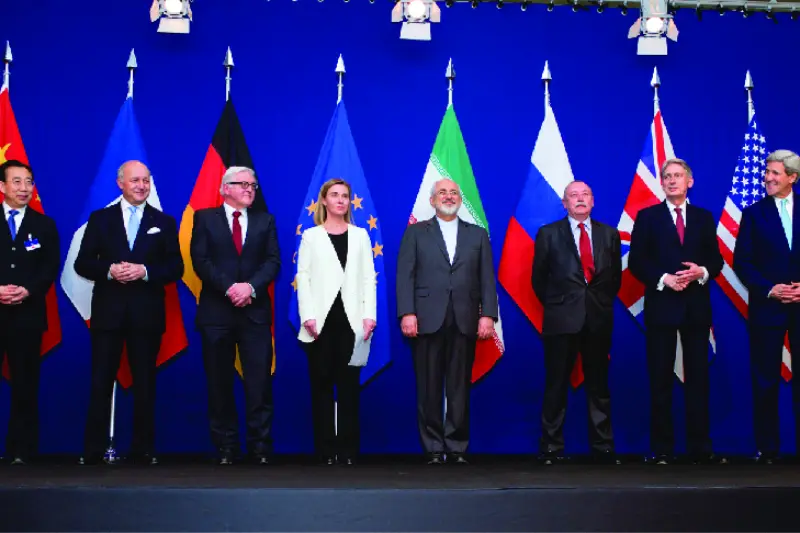
As global tensions evolve, several key developments are on the horizon that could significantly shape the political landscape in the coming weeks. In the Middle East, all eyes remain on the Iran-Israel conflict, with new intelligence suggesting potential escalations or proxy clashes in surrounding regions. Meanwhile, diplomatic efforts around the Gaza crisis continue, as international pressure builds for de-escalation and humanitarian relief.
In Asia, the situation in Myanmar remains volatile, with growing resistance movements and possible regional involvement if the crisis continues to spill over borders. Additionally, the geopolitical relevance of resources like copper is expected to grow, especially as green energy investments collide with supply chain constraints — a trend that could influence both Australian exports and broader trade alliances.
From upcoming elections in Europe to the shifting U.S. political rhetoric heading into another election cycle, the global chessboard is far from static. Stay tuned — the next headlines are already in motion.
G20 Summit Highlights: Navigating Global Challenges in an Era of Shifting Power
The recent G20 Summit brought together the leaders of the world’s largest economies to discuss urgent global challenges such as economic recovery, climate change, and security concerns. While the official messages emphasized cooperation and shared goals, the reality behind the scenes revealed ongoing tensions, especially between key players like the United States and China.
This year’s summit also coincided with the release of the “G20 movie”, a dramatized portrayal of summit diplomacy, which has sparked public interest in the intricate negotiations and strategic moves that characterize these high-profile meetings.
Commentators from World Politics Review point out that the summit underscored a significant transition toward a more multipolar global system, with emerging nations like India and Brazil demanding greater influence and recognition on the world stage. The outcomes of this summit will likely influence global economic and political directions for years ahead.
Escalating Middle East Strains: Iran, Israel, Gaza, and the Taliban Factor
The Middle East remains a hotspot of geopolitical tension with several interconnected issues fueling instability.
Iran and Israel: Proxy Battles and Cyber Clashes
The longstanding enmity between Iran and Israel has intensified in recent months, extending beyond physical confrontations to the digital realm. Cyberattacks targeting critical infrastructure have become commonplace, while Iran’s support for proxy militias in Syria and Lebanon has led to frequent retaliatory strikes by Israel.
The delicate balance risks unraveling, potentially sparking a broader conflict that could disrupt energy supplies and destabilize global markets.
Complex Relations Between Iran and the Taliban
After the Taliban’s takeover of Afghanistan, Iran’s relationship with the group has been cautious and complex. Despite some initial cooperation, tensions have risen due to sectarian conflicts, border disputes, and security concerns such as drug trafficking.
Iran’s strategic approach involves a careful mix of diplomacy and deterrence as it navigates this unpredictable partnership.
Trump’s Gaza Remarks: Political Ripples Across Borders
Former President Donald Trump’s recent comments on Gaza have reignited debate, both in the U.S. and internationally. His strong criticism of Palestinian leadership adds fuel to already polarized discussions, complicating diplomatic efforts aimed at easing the humanitarian crisis in Gaza.
This rhetoric highlights how U.S. domestic politics often reverberate on the global stage, influencing peace initiatives and alliances.
Myanmar’s Ongoing Crisis: Conflict, Displacement, and Regional Implications
More than two years since Myanmar’s military coup, the country remains engulfed in violent unrest and political turmoil.
The military government continues its harsh crackdown on pro-democracy protesters and ethnic minority groups. Armed resistance movements have gained strength, escalating clashes and deepening the humanitarian crisis, with over a million people displaced.
Neighboring countries face increasing pressure to manage refugee inflows and regional security risks, while international sanctions seek to weaken the military junta’s hold on power. However, geopolitical interests—especially from China and Russia—complicate unified global responses.
Experts warn that without resolution, Myanmar’s instability could spill over, threatening the security and economic stability of the wider Indo-Pacific region.
Copper and Geopolitics: Australia’s Role in the Global Resource Competition
As the world accelerates toward renewable energy, the demand for copper has surged, making it a strategic resource in global politics.
Australia, a major copper producer, plays a vital role in this dynamic. Recent copper news from Australia highlights the country’s efforts to expand mining operations amid rising international demand.
China’s position as the largest consumer of copper adds layers of strategic complexity, especially amid ongoing trade tensions between Canberra and Beijing.
Australian policies strive to balance economic growth, environmental protection, and diplomatic relations, reflecting how natural resources have become intertwined with international power struggles.
Influential Perspectives: Frida Ghitis, Steve Witkoff, and the New Face of Foreign Policy
Global politics today is shaped not only by governments but by influential commentators and business leaders.
Frida Ghitis, known for her sharp analysis on authoritarianism and democracy, offers valuable insights into the challenges facing the international order, from rising populism to conflicts worldwide.
Meanwhile, Steve Witkoff, a prominent investor with growing political influence, represents how business figures are increasingly shaping foreign policy debates.
Together, these voices illustrate the broadening landscape of global policy discussions, where media, finance, and diplomacy intersect.
What to Watch Next: Key Global Political Developments
Looking ahead, several major issues are set to dominate the global political arena:
- The ongoing Iran-Israel tensions carry risks of escalation amid proxy warfare and cyber conflicts.
- Gaza’s humanitarian and political crisis remains unresolved, demanding urgent attention.
- Myanmar’s civil conflict continues to pose a threat to regional stability.
- The geopolitics of copper and other critical resources will intensify as countries compete for energy transition leadership.
- Upcoming elections and shifting alliances will influence the international power balance.
Staying informed on these developments is crucial for understanding and responding to global challenges.
Wrapping Up This Week’s Global Political News Digest
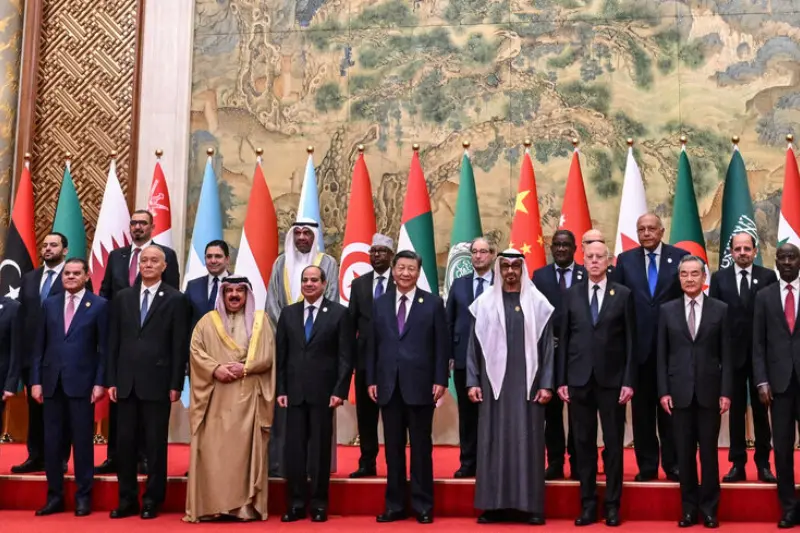
This edition of the Global Political News Digest has taken a close look at some of the most pressing geopolitical issues shaping today’s world. From Middle Eastern conflicts and Southeast Asian upheaval to resource diplomacy and influential thought leaders, these stories reflect the intricate and interconnected nature of modern international affairs.
Keep following our digest for timely updates and expert analysis — because in an ever-changing world, knowledge is power.
Frequently Asked Questions
What is a Global Political News Digest?
A Global Political News Digest is a regular summary of the most important political events happening around the world. It covers updates on international relations, conflicts, summits like the G20, and key issues such as Iran-Taliban tensions, Myanmar’s crisis, and Middle East developments.
Why is the G20 Summit important in world politics?
The G20 Summit brings together leaders from the world’s largest economies to discuss global economic policies, climate change, and international security. It influences the global political landscape and helps shape cooperation on pressing challenges.
How are Iran and Israel involved in current geopolitical conflicts?
Iran and Israel are engaged in a proxy conflict involving military strikes, cyber warfare, and support for opposing groups in the Middle East. Their tensions affect regional stability and global energy markets.
Conclusion
In this week’s Global Political News Digest, we’ve explored critical developments shaping the international landscape—from the strategic maneuvering at the G20 Summit to escalating tensions in the Middle East, the ongoing crisis in Myanmar, and the growing geopolitical importance of resources like copper. Understanding these complex issues is vital as they impact global security, economic stability, and diplomatic relations.
By staying informed through comprehensive digests like this, readers gain valuable insights into the forces driving world politics today. Keep following our updates to navigate the evolving global narrative and make sense of the challenges and opportunities ahead.
You Might Also Enjoy Reading
Dow Futures Live: Premarket Updates & Market Futures
Lowest Carbon Emission Countries 2025 Ranking Revealed
Global Economy News You Need to Know
Indian Budget Highlights 2025 Explained Simply
