
Introduction
Recovering from a tooth extraction can feel uncomfortable, especially when it comes to eating. The mouth is sensitive after oral surgery, and choosing the wrong foods can lead to unnecessary pain, irritation, or even complications such as dry socket. That’s why following a soft diet after tooth removal is one of the most important steps in the healing process.
Soft foods give your gums the chance to recover without strain. They minimize chewing, protect the surgical site, and provide the nutrients your body needs for faster healing. While there are plenty of foods you can enjoy during this period, there are also some you should avoid, including anything crunchy, spicy, sticky, or difficult to chew.
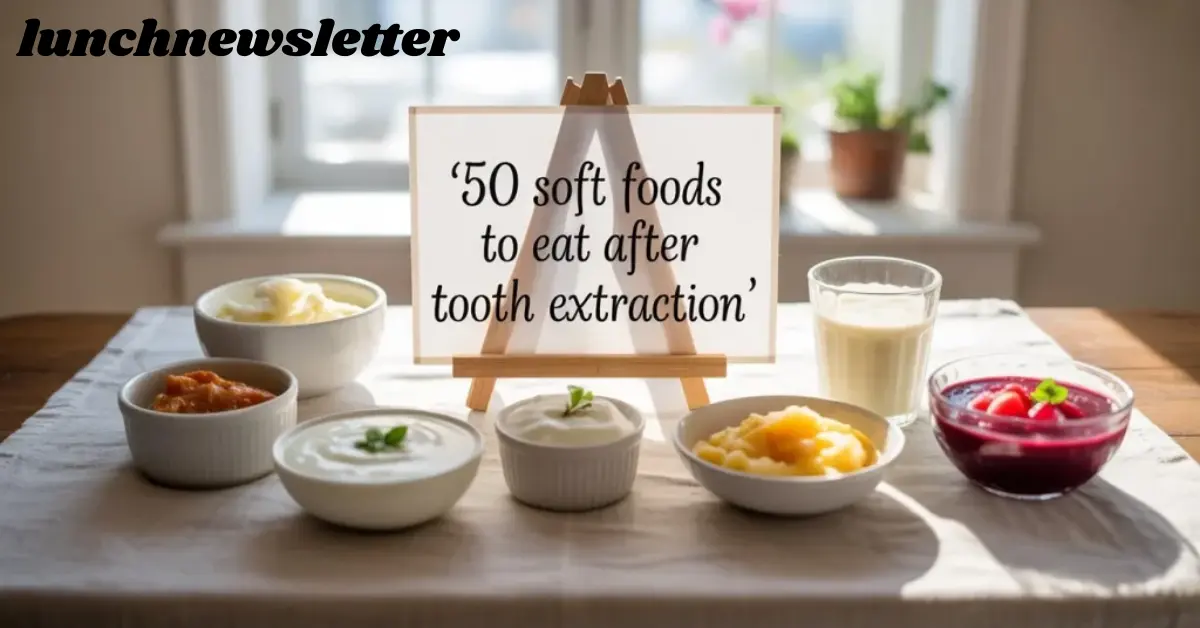
In this guide, we’ll cover 50 soft foods to eat after tooth extraction, ranging from protein-packed options to comforting treats. Whether you’re looking for simple meals, soothing snacks, or ideas for a full post-surgery diet, this list will give you a wide variety of safe, dentist-recommended choices to make recovery easier and more comfortable.
Why a Soft Diet Matters After Tooth Extraction
After a tooth extraction, your mouth needs time to heal. The process of removing a tooth leaves behind an open wound in the gums, and the body immediately begins forming a blood clot to protect the area. This clot acts as a natural bandage and is essential for proper healing. Eating the wrong types of food can disturb or dislodge this clot, leading to complications such as delayed healing or the painful condition known as dry socket.
A soft diet reduces the pressure and strain on your mouth during this delicate stage. Foods that are smooth, creamy, or easy to chew allow you to stay nourished without irritating the extraction site. They also make it easier to avoid unnecessary pain since chewing on hard or crunchy items can cause discomfort and even reopen the wound.
Nutrition plays a critical role in recovery as well. Protein-rich soft foods support tissue repair, vitamins from fruits and vegetables help reduce inflammation, and fluids from soups and smoothies keep you hydrated. By choosing safe, dentist-recommended foods, you’re giving your gums the best chance to heal quickly and comfortably.
What to Eat After Tooth Extraction: The Complete Guide

Finding the right foods after tooth extraction can feel limiting, but in reality there are plenty of options that are both safe and satisfying. The key is to stick to meals that are soft, smooth, and gentle on your gums, while still providing the nutrition your body needs to heal. Below is a complete guide to the best categories of foods you can enjoy during recovery, with examples that fit every taste and craving.
Dairy and Protein Options
Protein is essential for repairing tissues and speeding up recovery. Fortunately, many protein-rich foods are naturally soft and easy to eat.
- Yogurt – Creamy, cool, and soothing for sore gums.
- Cottage cheese – High in protein and easy to swallow without chewing.
- Scrambled eggs – Soft, fluffy, and packed with nutrients.
- Soft cheese – Mild flavors and smooth textures make it gentle on healing gums.
- Protein shakes – A quick way to get nutrients when chewing is difficult.
Fruits and Smoothies
Fruits provide vitamins that help fight infection and promote gum healing. When prepared correctly, they are easy to enjoy after surgery.
- Applesauce – Smooth and naturally sweet.
- Mashed bananas – Soft texture and rich in potassium.
- Avocado – Creamy and full of healthy fats.
- Fruit smoothies (seed-free) – A refreshing way to get nutrients without chewing.
- Steamed pears or peaches – Softened fruit that’s gentle on the mouth.
Vegetables and Grains
Cooked vegetables and soft grains make filling meals without irritating your gums.
- Mashed potatoes – A classic comfort food that’s soft and satisfying.
- Creamed spinach – Smooth texture with added iron and vitamins.
- Well-cooked carrots – Soft enough to mash with a fork.
- Oatmeal – Warm, filling, and easy to flavor with fruit.
- Rice porridge – Soft and hydrating, ideal for sensitive gums.
Soups and Broths
Soups are not only gentle but also help you stay hydrated during recovery.
- Chicken broth – Warm and nourishing.
- Vegetable soup (blended) – Packed with nutrients in a smooth texture.
- Lentil soup – Protein and fiber in a soft, comforting dish.
- Tomato soup – Smooth and flavorful without the need to chew.
- Pumpkin soup – Creamy and rich in vitamins.
Comfort and Treats
Recovery doesn’t mean giving up comfort foods. These options can make the healing process more pleasant.
- Pudding – Smooth, sweet, and easy to eat.
- Ice cream (without crunchy mix-ins) – Cooling relief for sore gums.
- Sorbet – A refreshing alternative to ice cream.
- Custard – Soft texture and rich flavor.
- Jello – A classic soft treat that requires no chewing.
Easy-to-Chew Meals
If you want something more filling, these meals are soft enough to enjoy safely.
- Soft pasta – Cooked until tender and easy to swallow.
- Macaroni and cheese – Comforting and gentle on the gums.
- Overcooked rice – Softened grains that don’t require chewing.
- Polenta – Smooth cornmeal dish with a creamy texture.
- Risotto – Soft and flavorful, cooked with broth until tender.
Other Gentle Options
These choices provide variety and balance to your post-extraction diet.
- Hummus – Smooth and packed with protein.
- Refried beans – Soft, filling, and easy to flavor.
- Soft bread (without crust) – Gentle on gums when eaten in small bites.
- Pancakes – Fluffy and easy to chew.
- Steamed fish – Tender protein source that flakes apart easily.
This variety ensures you won’t feel limited while recovering. From sweet treats to hearty meals, these soft foods cover every craving while protecting your healing gums.
Foods to Avoid After Tooth Extraction

Just as there are safe, healing foods to enjoy during recovery, there are also certain foods and drinks that should be avoided. Eating the wrong things can irritate the surgical site, increase pain, or even slow down healing. Some foods may also dislodge the protective blood clot, raising the risk of developing a painful condition known as dry socket.
Crunchy and Hard Foods
Chips, nuts, popcorn, raw vegetables, and crackers are too harsh for sensitive gums. Their sharp edges can poke or scrape the extraction site, causing discomfort and delaying recovery.
Spicy Foods
Hot peppers, heavily seasoned dishes, and spicy sauces can burn or irritate the gums. Since the mouth is already sensitive after surgery, these foods often cause unnecessary pain and swelling.
Acidic Foods and Drinks
Citrus fruits like oranges, lemons, and grapefruits, along with vinegar-based foods, are highly acidic. They can sting the healing area and may slow down tissue repair.
Sticky Foods
Caramel, chewing gum, and sticky candies can cling to teeth and gums, making it difficult to keep the mouth clean. They also increase the risk of pulling at stitches or disturbing the blood clot.
Extremely Hot Foods and Beverages
Foods and drinks that are too hot can soften or dislodge the protective blood clot. It’s best to let soups, tea, or coffee cool down before consuming them.
By avoiding these foods, you’ll reduce the risk of complications and keep your recovery process smoother and more comfortable. Once healing progresses, your dentist will guide you on when it’s safe to reintroduce these foods into your diet.
Meal Ideas and Recovery-Friendly Diet Tips
Sticking to a soft diet after tooth extraction doesn’t have to feel repetitive. With a little planning, you can put together meals that are nourishing, satisfying, and safe for healing gums. Combining different textures and flavors from the list of soft foods also makes it easier to get the nutrients your body needs without discomfort.
Simple Post-Surgery Meal Ideas
- Breakfast: Scrambled eggs with a side of mashed bananas or applesauce.
- Lunch: Creamy vegetable soup with soft bread (crust removed).
- Snack: Yogurt topped with blended fruit purée.
- Dinner: Mashed potatoes with steamed fish and creamed spinach.
- Dessert: Pudding or custard for a gentle, sweet finish.
Liquid Diet Options
In the first day or two after surgery, some people find it easier to stick mostly to liquids. Smoothies, blended soups, protein shakes, and broths are excellent choices during this time. They keep you hydrated, provide essential nutrients, and require no chewing.
Transitioning Back to Solid Foods
Most patients can begin adding more solid foods gradually within a week, though healing times vary. Start with softer meals like risotto or pasta, then slowly introduce foods that require light chewing. Always avoid crunchy or sticky foods until your dentist confirms it’s safe.
Tips for Making Soft Meals More Enjoyable
- Add herbs or mild seasonings for flavor without spice.
- Blend vegetables into soups to boost nutrition without chewing.
- Use ripe fruits for smoothies to get natural sweetness.
- Prepare smaller, more frequent meals to keep energy levels stable.
By following these ideas and tips, you can maintain a balanced diet while ensuring your gums heal quickly and comfortably.
Recovery Tips for Faster Gum Healing

What you eat plays a big role in recovery, but lifestyle habits and oral care are just as important. Following the right aftercare practices helps reduce pain, lowers the risk of complications, and speeds up gum healing after a tooth extraction.
Stay Hydrated
Drink plenty of water throughout the day, but avoid using straws. The suction created by straws can dislodge the blood clot and lead to dry socket. Sipping directly from a glass is the safest option.
Keep the Mouth Clean
Good oral hygiene prevents infection, but it must be gentle. Your dentist may recommend rinsing with warm salt water after the first 24 hours. This helps clean the mouth without disturbing stitches or the healing site.
Rest and Take Medications as Prescribed
Healing takes energy, so make sure to rest as much as possible during the first few days. Follow any pain management or antibiotic instructions your dentist provides to control discomfort and support recovery.
Avoid Smoking and Alcohol
Both smoking and alcohol can slow the healing process and increase the risk of complications. Avoid them until your dentist gives the all-clear.
Transition Slowly Back to Normal Foods
Even if your gums feel better within a few days, don’t rush into eating crunchy or chewy foods. Introduce solids gradually and always listen to your dentist’s advice about when it’s safe to resume a normal diet.
By combining a soft-food diet with these recovery tips, you’ll create the best environment for your gums to heal quickly, comfortably, and without complications.
FAQs
How long should I eat soft foods after tooth removal?
Most people should stick to a soft diet for at least 3 to 7 days after a tooth extraction. Healing time varies depending on the complexity of the procedure and individual recovery speed. Your dentist will let you know when it’s safe to transition back to solid foods.
When can I eat solid foods again after oral surgery?
Solid foods are usually safe to reintroduce within a week, but only once the extraction site has started healing. Begin with softer solids, like well-cooked pasta or rice, before moving on to crunchier or chewier options.
Is ice cream safe after a tooth extraction?
Yes, ice cream can be a soothing treat during recovery, as long as it doesn’t contain crunchy add-ins like nuts or chocolate chips. Cold foods can also help reduce swelling. However, avoid overly sweet options if you’re prone to sensitivity.
What foods speed up healing after extraction?
Protein-rich foods like scrambled eggs, cottage cheese, and refried beans support tissue repair. Vitamin-packed options such as avocado, blended soups, and soft fruits also help reduce inflammation and promote gum healing. Staying hydrated is equally important.
What is the safest first meal after wisdom tooth removal?
A smoothie, blended soup, or yogurt is often the easiest choice for the first meal after extraction. These foods are smooth, nourishing, and require no chewing, making them ideal for protecting the surgical site.
Can I drink coffee after tooth extraction?
It’s best to avoid coffee for at least the first 24 to 48 hours after a tooth extraction. Hot beverages can dissolve or loosen the protective blood clot that forms in the socket, increasing the risk of dry socket and delaying healing. The acidity and caffeine in coffee may also irritate the gums and cause discomfort. If you’re craving coffee, wait until your dentist says it’s safe, and then choose a lukewarm or cold version instead of hot.
Conclusion
Recovering from a tooth extraction requires patience, care, and the right dietary choices. A soft diet not only protects the healing site but also ensures your body gets the nutrients it needs to repair tissues and fight infection. From protein-packed eggs and yogurt to soothing soups and creamy fruits, there are many options that make eating both safe and enjoyable during recovery.
Equally important is knowing what to avoid. Crunchy, spicy, sticky, and overly hot foods can disturb the healing process and lead to complications such as dry socket. By sticking to gentle, dentist-recommended foods and following simple recovery tips, you can reduce discomfort and promote faster gum healing.
Whether you’re looking for meal ideas, safe treats, or a complete list of soft foods, this guide offers a variety of options to keep your diet balanced while you recover. Always follow your dentist’s specific advice, and transition back to solid foods gradually. With the right approach, you’ll protect your oral health and return to normal eating more quickly and comfortably.
You Might Also Enjoy Reading
Bernie Sanders: Age, Biography & Political Career
25 Easy Vegan Dinner Recipes for Quick & Delicious Meals
10 Best Vegan Cafes in Bangalore 2025 You Must Try
