
Healthy Street Food Options in India
Introduction – Rethinking Indian Street Food
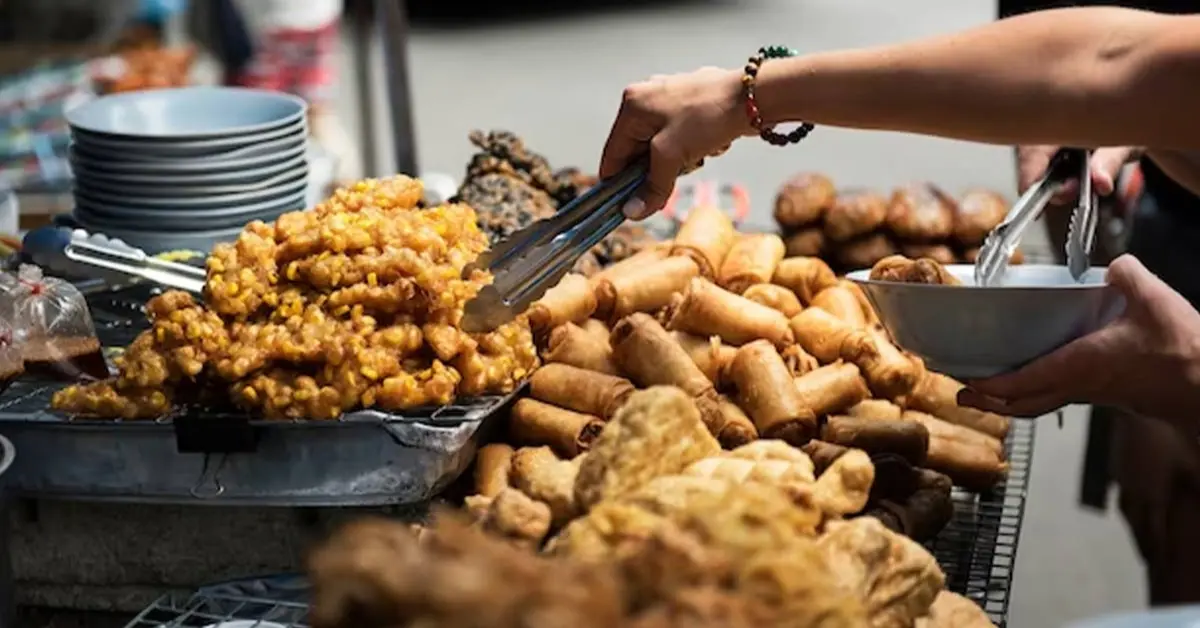
India’s bustling streets are a paradise for food lovers. From the narrow lanes of Delhi to the coastal towns of Chennai, the aroma of sizzling snacks and freshly prepared dishes is hard to resist. Street food is more than just a quick bite—it is woven into India’s cultural and social fabric. For many, grabbing a plate of chaat or a steaming idli is a daily ritual that brings comfort and joy.
Yet, a common perception persists: street food equals unhealthy food. It’s true that some options are deep-fried, calorie-dense, or prepared under questionable hygiene conditions. However, not all Indian street food falls into that category. In fact, several street food items are light, nutritious, and diet-friendly when chosen wisely.
Over the years, awareness around fitness, nutrition, and hygiene has transformed how vendors prepare and serve food. Today, you can easily find stalls offering nutritious street food in India—from sprout-based chaats to steamed momos—that are both delicious and guilt-free. By knowing which dishes to pick and where to buy them, you can enjoy the vibrancy of Indian street food without compromising on health.
This article explores some of the best healthy Indian street snacks, debunks myths, and shows you how to enjoy flavorful meals that are both hygienic and nourishing.
What Makes Street Food Healthy?
When we think of street food, most people imagine plates dripping with oil or snacks loaded with butter and sugar. While these versions exist, street food in India is incredibly diverse. Many dishes can be both flavorful and nourishing, provided they are made with fresh ingredients and prepared hygienically.
Key Factors That Define Healthy Street Food
Freshness of Ingredients
Fresh fruits, vegetables, and grains add natural nutrients while cutting down the need for heavy seasoning or preservatives. A fruit chaat sprinkled with lemon and black salt, for example, is a classic low-calorie Indian street snack packed with vitamins.
Cooking Method
The way food is cooked can make a huge difference. Steaming, roasting, or lightly sautéing preserves nutrients and reduces excess oil. Dishes like idli, dhokla, and steamed momos are good examples of diet-friendly Indian street food.
Balanced Nutrition
Healthy street food often combines carbs, proteins, and fiber. A bowl of sprouts chaat or roasted chana provides plant-based protein while keeping you full longer, making it an excellent option for street food for weight loss in India.
Hygienic Preparation
Perhaps the most important factor is hygiene. Stalls that use clean utensils, safe water, and serve food hot are far safer choices. Opting for hygienic street food options in India reduces the risk of foodborne illness and ensures you’re eating clean.
Moderation and Portion Size
Even healthy snacks can become heavy if eaten in excess. Smaller servings let you enjoy a variety of items without overloading on calories.
Featured Snippet Opportunity (Concise Answer)
Healthy street food in India is defined by fresh ingredients, minimal oil, balanced nutrition, hygienic preparation, and moderate portion sizes.
By keeping these factors in mind, street food doesn’t just remain a quick indulgence—it transforms into a smart, nutritious choice. From protein-rich Indian street food like sprouts salad to refreshing drinks such as fresh coconut water, the options are plenty for those who want taste without guilt.
Best Healthy Indian Street Snacks You Can Enjoy Guilt-Free
Indian street food doesn’t always have to be fried or calorie-heavy. Across the country, there are countless dishes that are light, flavorful, and nourishing. Here are some of the best healthy Indian street snacks that can satisfy cravings without the guilt.
Light and Nutritious Breakfast Choices
Morning hours are when street food stalls often serve the healthiest options. Traditional breakfast snacks like idli, poha, ragi dosa, and dhokla are naturally light yet filling.
- Idli: A staple from South India, steamed idlis are low in calories and easy to digest, making them an ideal low-calorie Indian street snack.
- Poha: Flattened rice cooked with onions, peas, and a hint of turmeric, poha is light but provides slow-release energy for the day ahead.
- Ragi Dosa: Made with finger millet, ragi dosa is rich in calcium and fiber, perfect for those looking for diet-friendly Indian street food.
- Dhokla: A Gujarati favorite, dhokla is steamed, fluffy, and protein-packed from fermented lentils and rice.
These breakfast items prove that street food can be both wholesome and tasty, giving you the nutrition you need to start the day right.
Protein-Rich and Filling Options
Protein is vital for muscle repair, satiety, and overall health. Street food vendors in India offer affordable, protein-packed snacks that go beyond fried fritters.
- Sprouts Chaat: Loaded with fiber and protein, sprouts chaat is a classic example of protein-rich Indian street food.
- Roasted Chana: Crunchy, filling, and packed with plant protein, roasted chana is often sold in small paper cones by street vendors.
- Sprouts Salad: Tossed with onions, tomatoes, and lemon, this option is refreshing and ideal for street food for weight loss in India.
These high-protein snacks are not just filling—they also prevent overeating later in the day, making them great for health-conscious eaters.
Immunity-Boosting Street Food Items
Certain street food options are rich in vitamins, antioxidants, and hydration, all of which support immunity.
- Fruit Chaat: Seasonal fruits sprinkled with spices offer a refreshing, vitamin-rich snack.
- Fresh Coconut Water: A natural electrolyte-rich drink that hydrates and replenishes minerals.
- Sugarcane Juice (from hygienic stalls): Known for its cooling effect and natural sweetness, sugarcane juice is rich in antioxidants.
These immunity-boosting Indian street food options prove that even on the go, you can choose snacks that keep your body strong and energized.
Smarter Versions of Famous Street Foods
Iconic street food doesn’t have to be off-limits. With small tweaks, popular dishes can be made healthier.
- Bhel Puri (with less sev): When loaded with puffed rice, veggies, and chutneys in moderation, bhel puri becomes a light and crunchy snack.
- Pav Bhaji (with less butter): By reducing butter and oil, pav bhaji still delivers its rich flavor but in a healthier way.
- Masala Dosa (light oil): Opting for less oil turns this classic into a balanced option with carbs, fiber, and protein.
- Steamed Momos: Choosing steamed over fried momos cuts calories without sacrificing taste
Traditional vs Healthier Version of Popular Street Foods
| Street Food Item | Traditional Version | Healthier Alternative |
|---|---|---|
| Momos | Deep-fried | Steamed momos |
| Pav Bhaji | Extra butter | Less butter, more veggies |
| Bhel Puri | Heavy sev topping | More puffed rice, fewer fried toppings |
| Masala Dosa | Cooked with excess oil | Cooked with light oil |
Top 10 Healthy Street Food Options in India
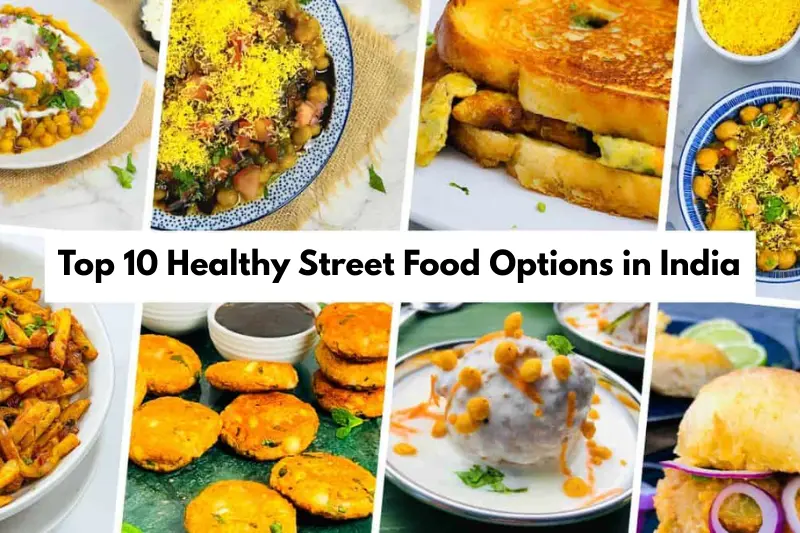
Not all street food is greasy or unhealthy. Across India, vendors serve countless dishes that balance flavor with nutrition. Here’s a curated list of the top 10 healthy street food options in India, chosen for their taste, affordability, and health benefits.
1. Idli
Soft, steamed, and made from fermented rice and lentils, idlis are low in fat and high in gut-friendly probiotics.
- Poha
This light dish made from flattened rice, turmeric, peas, and peanuts is a wholesome breakfast that provides slow-release energy.
- Dhokla
Steamed and spongy, dhokla is protein-rich and easy to digest, making it one of the best healthy Indian street snacks.
- Sprouts Chaat
Packed with fiber and protein, sprouts chaat is a go-to option for those seeking protein-rich Indian street food.
- Roasted Chana
A crunchy, portable snack that keeps you full and provides a healthy protein boost.
- Fruit Chaat
A colorful mix of seasonal fruits with spices like chaat masala delivers vitamins, antioxidants, and freshness in every bite.
- Steamed Momos
A lighter alternative to fried snacks, steamed momos are filling without being calorie-heavy.
- Ragi Dosa
Made with finger millet, ragi dosa is rich in calcium and fiber, making it both nutritious and satisfying.
- Pav Bhaji (with less butter)
By reducing the butter and upping the veggies, pav bhaji transforms into a more balanced street meal.
- Fresh Coconut Water or Sugarcane Juice (from hygienic stalls)
Refreshing drinks that hydrate the body and provide natural electrolytes.
Featured Snippet Opportunity (Concise List Answer)
Top 10 healthy street food options in India include idli, poha, dhokla, sprouts chaat, roasted chana, fruit chaat, steamed momos, ragi dosa, pav bhaji with less butter, and fresh coconut water or sugarcane juice.
This diverse list shows that with the right choices, healthy street food in India can be as satisfying as the indulgent versions.
Comparing Healthy vs Unhealthy Street Foods
Street food in India is a mix of indulgence and nourishment. While some items are fried and calorie-dense, others are light, balanced, and packed with nutrients. Understanding the difference between the two can help you make smarter choices without giving up on taste.
Key Differences Between Healthy and Unhealthy Street Foods
Cooking Method
Healthy options like idli, dhokla, and steamed momos are steamed or lightly cooked with minimal oil.
Unhealthy ones such as samosas, pakoras, or fried momos are deep-fried, absorbing large amounts of oil.
Nutritional Balance
Sprouts chaat and roasted chana offer protein and fiber that keep you full.
Snacks like pani puri or kachori are mostly refined carbs with little nutritional value.
Hygiene and Preparation
Fruit chaat or sugarcane juice from hygienic street food options in India can be refreshing and safe.
Poorly handled juices, chutneys, or reused frying oil increase the risk of foodborne illness.
Portion Size and Satiety
A serving of poha or ragi dosa can provide steady energy without overeating.
Fried snacks often lead to cravings and extra calorie intake.
Healthy vs Unhealthy Indian Street Foods
| Aspect | Healthy Street Foods (Examples) | Unhealthy Street Foods (Examples) |
|---|---|---|
| Cooking Method | Steamed idli, dhokla, steamed momos | Fried samosa, pakoras, fried momos |
| Nutritional Value | Sprouts chaat, roasted chana, poha | Pani puri, kachori, aloo tikki |
| Hygiene Factor | Fruit chaat (fresh, clean stall) | Juices with ice from unsafe water |
| Satiety & Weight | Ragi dosa, sprouts salad | Bhature, jalebi (empty calories) |
Featured Snippet Opportunity (Concise Answer)
Healthy street food in India includes steamed, roasted, and lightly cooked snacks like idli, sprouts chaat, and fruit chaat, while unhealthy options are deep-fried, calorie-dense items such as samosas, pakoras, and kachoris.
This comparison shows that the choice isn’t about avoiding street food altogether, but about selecting diet-friendly Indian street food that delivers both taste and health benefits.
Tips to Choose Hygienic and Healthy Street Food Stalls

India’s street food culture is vibrant, but hygiene standards vary widely. Choosing the right vendor makes the difference between enjoying a wholesome snack and risking an upset stomach. By being mindful, you can savor hygienic street food options in India without worry.
Observe the Cleanliness of the Stall
A clean stall is the first indicator of safe food. Look for vendors who:
- Use covered containers for ingredients
- Wear gloves or handle food with clean utensils
- Keep the cooking and serving area tidy
Check the Source of Water
Unsafe water is one of the biggest causes of foodborne illness. Be cautious with juices, chutneys, or pani puri water if you’re unsure about cleanliness. Opt for packaged water bottles or stalls where you can see them using filtered water.
Choose Freshly Cooked Food Served Hot
Hot, freshly cooked dishes like idli, masala dosa (with light oil), or pav bhaji with less butter are safer than items that have been sitting out for hours. Heat kills many harmful microbes, making freshly prepared food a safer bet.
Notice the Vendor’s Popularity
A busy stall with a steady flow of local customers is often more reliable. High turnover means ingredients don’t sit around long, reducing the chance of contamination.
Avoid Excessive Oil or Reused Frying Oil
Overheated or reused oil can be harmful. Safer choices include roasted chana, fruit chaat, sprouts salad, and steamed momos, which are prepared without heavy frying.
Case Study Insight
According to a Food Safety and Standards Authority of India (FSSAI) survey, nearly 30–40% of foodborne illnesses in urban areas are linked to contaminated street food. However, the same study noted that stalls maintaining basic hygiene practices drastically lowered risks. This shows that healthy street food is very much possible when vendors follow proper safety measures.
Featured Snippet Opportunity (Concise Answer)
To choose healthy and hygienic street food in India, look for stalls that are clean, use safe water, cook food fresh, serve dishes hot, and avoid reused oil.
By following these simple guidelines, you can enjoy your favorite healthy Indian street food without compromising your wellbeing.
Benefits of Choosing Healthy Street Food
Opting for healthier street food in India is not just about avoiding fried snacks. It comes with a range of benefits that impact daily health, energy levels, and overall lifestyle.
Supports Weight Management
Snacks like sprouts chaat, roasted chana, idli, and ragi dosa are light yet filling. They provide satiety without piling on unnecessary calories, making them suitable for those watching their weight. Unlike fried items, these foods don’t trigger cravings, helping to control portion sizes naturally.
Affordable and Nutritious
Healthy eating doesn’t have to be expensive. Street foods such as poha, fruit chaat, or steamed momos offer balanced nutrition at an affordable price. This makes them accessible for students, office-goers, and travelers who want nourishing meals on a budget.
Boosts Immunity and Energy
Options like fresh coconut water, sugarcane juice from hygienic stalls, and seasonal fruit chaat supply vitamins, antioxidants, and hydration. These natural nutrients strengthen immunity, fight fatigue, and support long-term health.
Vegetarian-Friendly Choices
India’s street food culture is rich in vegetarian snacks. Dhokla, masala dosa (with light oil), sprouts salad, and pav bhaji with less butter are excellent plant-based foods that deliver both taste and nourishment. For vegetarians looking for variety, street food offers countless healthy options.
Enhances Digestion
Fermented foods like idli and dhokla are packed with probiotics that aid digestion and gut health. These foods not only taste good but also contribute to better nutrient absorption and overall digestive balance.
FAQs on Healthy Street Food Options in India
Which street food is healthy in India?
Healthy Indian street food includes idli, poha, dhokla, sprouts chaat, roasted chana, fruit chaat, steamed momos, and ragi dosa. These snacks are light, nutritious, and often steamed or roasted, making them better choices compared to fried or oily foods.
Can street food be good for weight loss?
Yes. Street food like sprouts salad, roasted chana, idli, and fruit chaat are filling but low in calories, making them suitable for weight loss. Choosing steamed or lightly cooked items over deep-fried snacks helps control calorie intake while keeping meals satisfying.
What are the top 10 healthy street foods in India?
The top 10 healthy street foods include idli, poha, dhokla, sprouts chaat, roasted chana, fruit chaat, steamed momos, ragi dosa, pav bhaji with less butter, and fresh coconut water or sugarcane juice (from hygienic stalls). These options balance taste, nutrition, and affordability.
How do I know if a street food stall is hygienic?
Look for signs of cleanliness: covered ingredients, safe water use, food served hot, and a busy stall with regular customers. Avoid places that reuse frying oil or leave food uncovered. Choosing hygienic stalls ensures a safer and healthier street food experience.
Are vegetarian street food options in India healthy?
Many vegetarian snacks are healthy, such as dhokla, masala dosa with light oil, sprouts salad, pav bhaji with less butter, and poha. These dishes provide a good mix of carbohydrates, proteins, and fiber, making them nutritious options for vegetarians seeking balance in their meals.
Is fruit chaat safe to eat from street vendors?
Fruit chaat can be a healthy choice if bought from hygienic vendors who use clean water and fresh produce. When prepared properly, it delivers essential vitamins and antioxidants. To be extra safe, choose busy stalls where ingredients are frequently replenished.
Conclusion
Street food is an inseparable part of India’s culinary charm, offering flavors that can’t be matched by any fine-dining restaurant. While the stereotype often labels it as greasy or unsafe, the reality is more nuanced. With informed choices, healthy street food in India is both accessible and enjoyable.
Snacks like idli, poha, dhokla, sprouts chaat, roasted chana, steamed momos, and ragi dosa showcase how nutritious and affordable street food can be. Even crowd favorites such as pav bhaji and masala dosa can be made lighter by reducing butter and oil. Add in refreshing drinks like fresh coconut water or sugarcane juice from hygienic stalls, and you have a complete meal that fuels the body and delights the taste buds.
The real secret lies in being selective—choosing vendors that prioritize cleanliness, opting for freshly cooked food, and practicing moderation. This balance allows you to embrace the vibrancy of India’s street food culture while taking care of your health.
Ultimately, eating smart doesn’t mean giving up on flavor. It means enjoying the same beloved dishes in ways that nourish the body and keep the joy of street food alive.
